TRENDING

Sunday, 25 October 2026
----------------------
14 Jumada Al-Awwal 1448 AH
Spain is battling extensive wildfires near Madrid and Valencia, exacerbated by an impending heatwave, forcing tens of thousands to evacuate. This crisis underscores the escalating geopolitical and economic challenges posed by climate change across Europe.
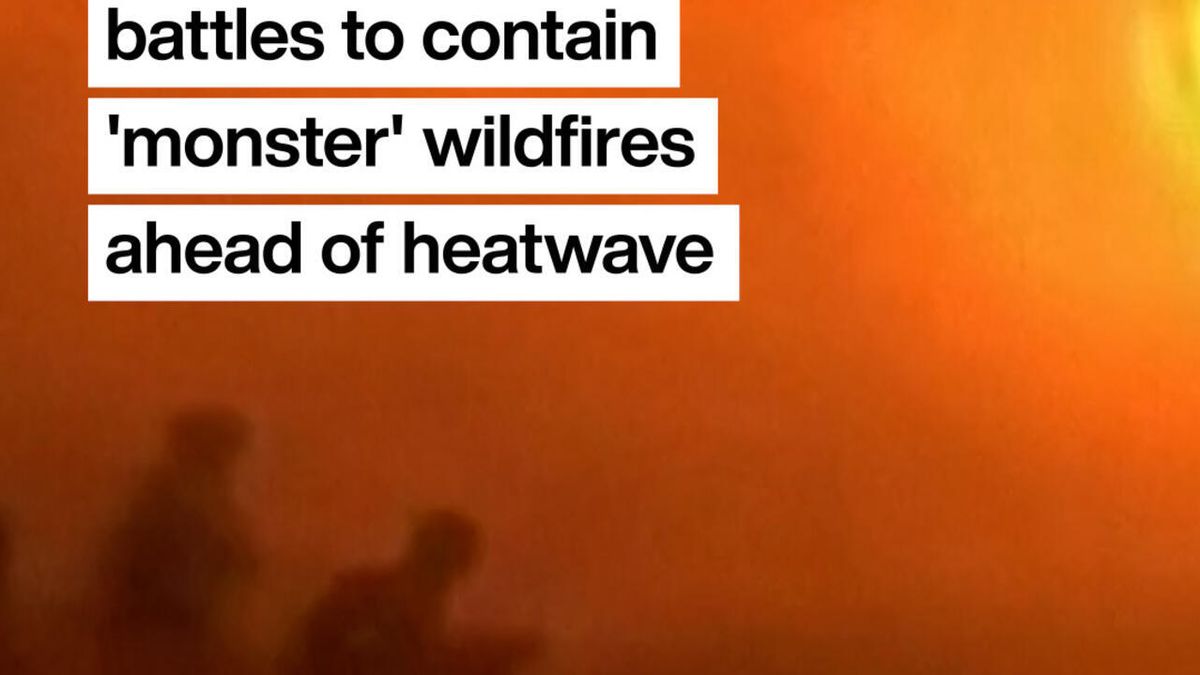
Spain is currently grappling with a severe wildfire crisis, with "monster" blazes raging near its capital, Madrid, and the eastern city of Valencia. The situation is particularly critical as the country faces a looming new heatwave, which is expected to significantly complicate firefighting efforts and exacerbate the already dire conditions. This confluence of events underscores a growing pattern of climate-related disasters impacting European stability and resource management.
As of July 27, 2026, Spanish authorities, led by the Interior Minister, have declared the next two days "decisive" in their race to contain the fires. Tens of thousands of residents have already been forced to evacuate their homes, highlighting the immediate threat to human life and property. The scale of the evacuations around Madrid, reportedly involving 60,000 people, indicates a significant humanitarian challenge. Firefighting teams are working tirelessly, but the sheer size and intensity of the fires, coupled with the anticipated extreme temperatures, present formidable obstacles. The concern is not only to extinguish existing fires but also to prevent them from merging into even larger, uncontrollable conflagrations.
This crisis is not isolated to Spain. Reports from the same period indicate that southwest France is also on high alert, with over 200,000 evacuations, and a broader observation suggests a "longer fire season nearly everywhere" across Europe. This regional pattern points to a systemic challenge that transcends national borders, demanding coordinated responses and shared strategies.
The recurring and intensifying nature of such extreme weather events carries profound geopolitical and economic implications for Spain and the wider European Union.
Resource Strain and National Security: Large-scale natural disasters place immense strain on national resources. Firefighting assets, emergency medical services, and logistical support are stretched thin, potentially diverting funds and personnel from other critical sectors, including defense and infrastructure development. The continuous need to deploy military units for civil protection, as often seen in such crises, can impact military readiness and training for traditional security threats.
Economic Vulnerability: Spain's economy, heavily reliant on tourism and agriculture, is particularly vulnerable to the impacts of wildfires and heatwaves. Destruction of natural landscapes, agricultural land, and tourist infrastructure can lead to significant economic losses, affecting local livelihoods and national GDP. The cost of reconstruction, coupled with lost revenue, can create long-term economic headwinds, potentially increasing national debt and impacting fiscal stability.
Social Cohesion and Political Stability: Mass evacuations, the loss of homes and livelihoods, and the perceived effectiveness of government response can have significant social and political ramifications. Public discontent over inadequate disaster preparedness or slow recovery efforts can erode trust in institutions and potentially fuel social unrest. Governments face increasing pressure to demonstrate robust climate adaptation strategies and effective crisis management to maintain social cohesion.
International Cooperation and Diplomacy: While primarily a national crisis, the scale of these fires often necessitates international assistance. The European Union's Civil Protection Mechanism, for instance, facilitates the deployment of firefighting aircraft and personnel from member states. Such cooperation, while vital for immediate relief, also highlights the interdependence of European nations in addressing shared climate threats. It can strengthen diplomatic ties through shared adversity or, conversely, expose vulnerabilities in regional solidarity if assistance is perceived as insufficient.
Climate Change as a Strategic Imperative: The underlying driver of these escalating fire seasons and heatwaves is climate change. For Spain and Europe, these events are no longer merely environmental concerns but have become strategic imperatives. They necessitate accelerated investments in climate mitigation (reducing emissions) and, crucially, climate adaptation (building resilience to unavoidable impacts). This includes developing early warning systems, improving forest management practices, investing in fire-resistant infrastructure, and enhancing public awareness campaigns. Failure to address these challenges proactively will likely lead to more frequent, intense, and costly disasters, further destabilizing regions and impacting global supply chains and human migration patterns.
The immediate future for Spain remains challenging, with the impending heatwave threatening to intensify the current crisis. Beyond the immediate firefighting efforts, the long-term implications demand a comprehensive re-evaluation of national and European strategies for climate resilience. The "monster" fires near Madrid and Valencia serve as a stark reminder that climate change is a present and escalating threat, requiring sustained geopolitical attention, significant resource allocation, and robust international collaboration to safeguard populations and economies.
Source referenced: FRANCE24
This brief was synthesized by our Editorial Engine and reviewed by The Ground Narrative team.