TRENDING

Wednesday, 21 October 2026
----------------------
10 Jumada Al-Awwal 1448 AH
Spain is grappling with extensive wildfires, particularly around Toledo, as extreme temperatures linked to climate change fuel a growing crisis across Western Europe. This escalating environmental challenge carries significant geopolitical, economic, and social implications for the region.
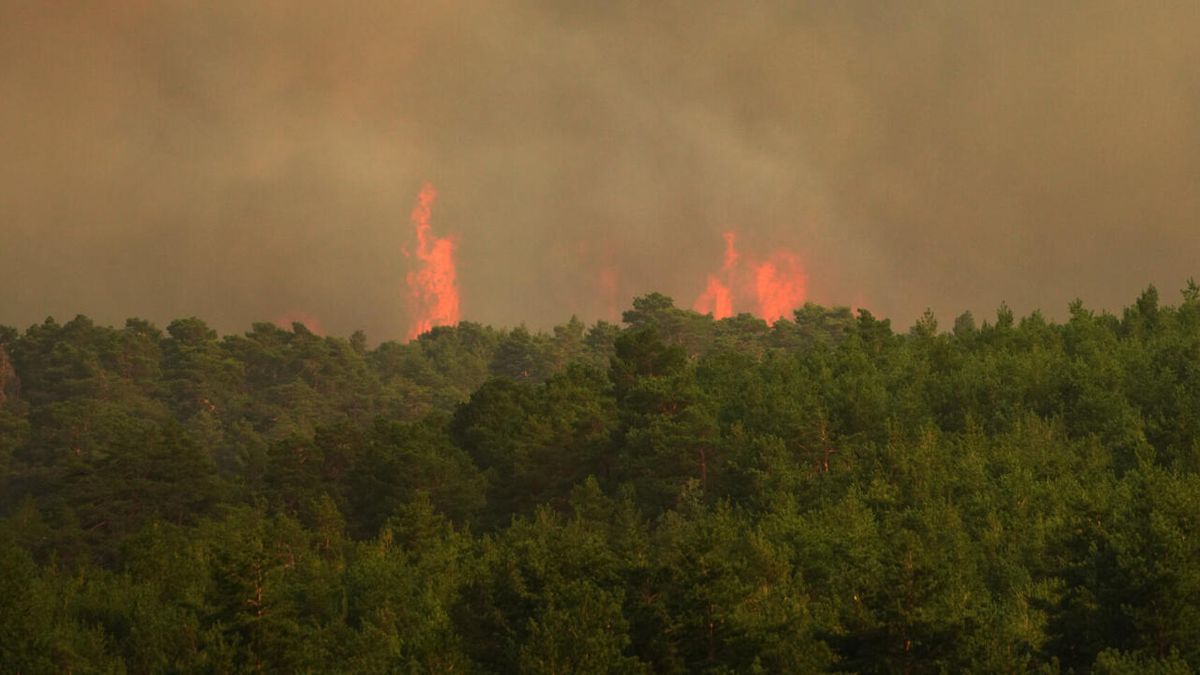
Spain is currently battling a series of intense wildfires, with significant outbreaks reported around the city of Toledo, approximately 75 miles from the capital, Madrid. These blazes have necessitated the evacuation of several districts, underscoring the immediate threat to human life and property. The situation in Spain is not isolated; it mirrors a broader pattern of escalating wildfires across Western Europe, with southern France and Italy also experiencing similar destructive events.
This current crisis, reported on July 23, 2026, follows a concerning trend. Data from the European Forest Fire Information System indicates that in 2025, Spain endured its worst wildfire season in recent history, with over 393,000 hectares consumed by flames. This alarming statistic highlights a rapidly worsening environmental challenge, directly attributed to the extreme temperatures and prolonged droughts exacerbated by global climate change.
The primary driver behind the increasing frequency and intensity of these wildfires is the sustained rise in global temperatures. Climate change manifests in more frequent and severe heatwaves, reduced precipitation in critical periods, and prolonged dry spells, particularly in the Mediterranean basin. These conditions transform vast areas of vegetation into highly combustible fuel, making landscapes exceptionally vulnerable to ignition and rapid fire spread. The 'how' of these fires is thus intrinsically linked to the 'why' of a changing climate, creating a feedback loop where environmental degradation accelerates the crisis.
From a geopolitical perspective, the escalating wildfire crisis in Spain and across Western Europe is far more than a localized environmental issue. It represents a significant challenge to regional stability, economic resilience, and international cooperation. The economic impact is substantial, encompassing the direct costs of firefighting and emergency response, the destruction of agricultural land, forests, and infrastructure, and the long-term disruption to vital sectors such as tourism. The financial burden on national budgets for recovery and adaptation measures is immense, potentially diverting resources from other critical public services or strategic investments.
The social and humanitarian consequences are equally profound. Mass evacuations lead to internal displacement, placing strain on social services and creating psychological trauma for affected communities. The health impacts of widespread smoke pollution, particularly for vulnerable populations, add another layer of public health concern. If these events become more frequent and severe, they could contribute to internal migration pressures and potentially exacerbate social inequalities.
For resource management, the fires highlight critical vulnerabilities. Water resources, already under stress in many parts of southern Europe, become even more strained during prolonged droughts and firefighting operations. The capacity of emergency services, including firefighters and medical personnel, is stretched thin across national borders, underscoring the need for robust cross-border cooperation mechanisms like the European Union's rescEU program.
Strategically, the recurring nature of these climate-induced disasters places significant political pressure on governments to implement more aggressive climate mitigation and adaptation policies. Failure to do so can erode public trust and lead to political instability. The shared vulnerability of Mediterranean countries like Spain, France, Italy, Portugal, and Greece to these phenomena necessitates a coordinated European response, fostering greater integration in environmental policy, disaster preparedness, and scientific research. This collective challenge can either strengthen European solidarity or expose fault lines if national responses are perceived as inadequate or inequitable.
The wildfires in Spain serve as a stark reminder of the tangible and immediate threats posed by climate change. They underscore the urgent need for a dual approach: aggressive mitigation strategies to reduce greenhouse gas emissions and slow global warming, alongside robust adaptation measures to build resilience against inevitable climate impacts. This includes improved forest management practices, early warning systems, urban planning that considers extreme heat, and investment in climate-resilient infrastructure.
Ultimately, the crisis in Spain is a microcosm of a global challenge. Its geopolitical significance lies in its capacity to strain national resources, disrupt economies, displace populations, and test the efficacy of international cooperation. As these events become more commonplace, they will increasingly shape national security agendas, economic policies, and diplomatic efforts, demanding a comprehensive and sustained global response to safeguard regional and international stability. The future trajectory of Europe's climate resilience will depend heavily on how effectively its nations can collectively address these escalating environmental threats.
Source referenced: FRANCE24
This brief was synthesized by our Editorial Engine and reviewed by The Ground Narrative team.