TRENDING

Wednesday, 21 October 2026
----------------------
10 Jumada Al-Awwal 1448 AH
Southern Europe is grappling with an unprecedented wave of wildfires, intense heatwaves, and destructive storms, underscoring the immediate and profound impacts of climate change on regional stability and public health. This crisis highlights the urgent need for robust climate adaptation and mitigation strategies across the continent.
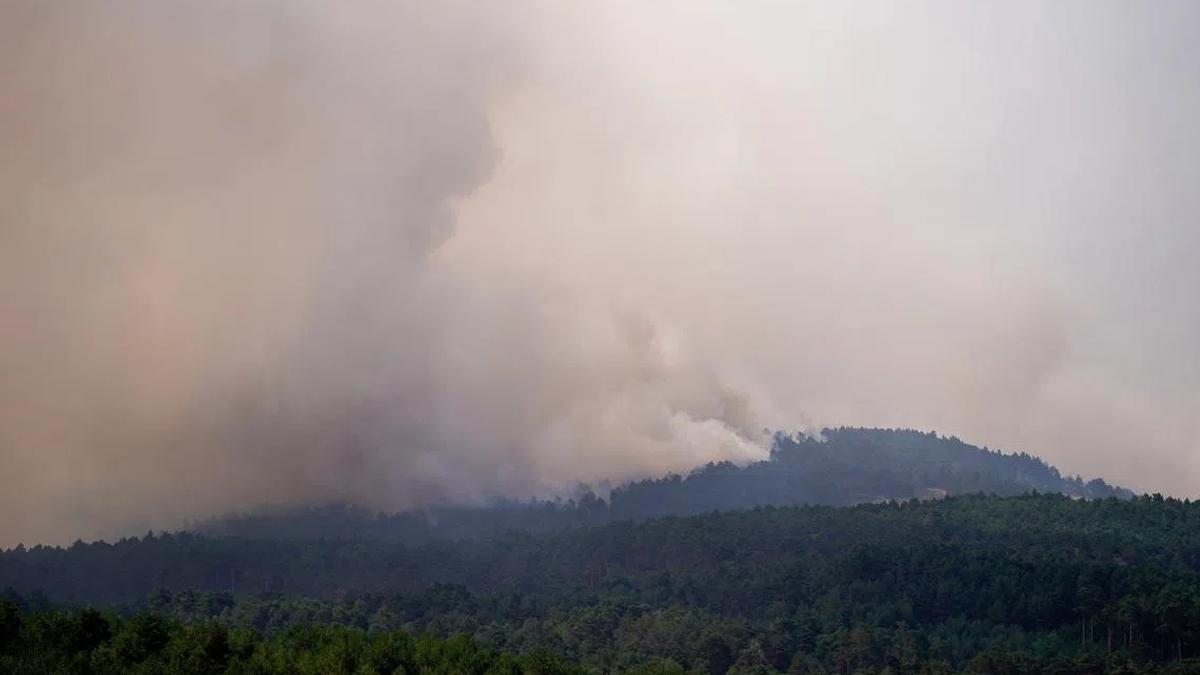
Southern Europe is currently experiencing a severe and multifaceted climate crisis, marked by widespread wildfires, intense heatwaves, and destructive hailstorms. This confluence of extreme weather events, particularly evident in Spain, France, and the Western Balkans in July 2026, underscores the escalating challenges posed by human-driven climate change to regional stability, public health, and economic resilience.
The immediate crisis unfolded across several nations. In Spain, firefighters have been battling numerous blazes, with the Guadalajara region experiencing the country's worst wildfire of 2026, consuming an estimated 32,000 hectares. This single event forced the evacuation of residents from 34 municipalities and imposed confinement orders in 14 others, highlighting the direct human cost and logistical strain. Prime Minister Pedro Sanchez noted that Spain has already endured 22 major wildfires this year, burning over 100,000 hectares—an amount typically seen over an entire decade. This stark comparison emphasizes the unprecedented scale of the current situation. The Spanish weather agency, AEMET, has maintained "very high or extreme" wildfire danger across most of mainland Spain and the Balearic Islands, exacerbated by ongoing heat, dry thunderstorms, and Saharan dust.
Similarly, France has been grappling with significant wildfires, particularly in the south-western Gironde region, where two firefighters tragically lost their lives on July 21. Another major blaze in the south-eastern Var area burned 2,500 hectares, damaged homes, and necessitated the evacuation of 400 people. French authorities have responded by banning barbecues and fireworks, stressing that human activity is responsible for nine out of ten wildfires, whether accidental or not. This measure underscores the critical role of public awareness and preventative action in mitigating disaster risks.
Concurrently, the Western Balkans have seen a rapid shift from heatwaves to severe hailstorms. North Macedonia and eastern Kosovo reported injuries, widespread power outages, damaged infrastructure, and property destruction on July 21-22. This rapid transition between extreme weather phenomena—from scorching heat to destructive storms—illustrates the volatile and unpredictable nature of a warming climate. Greece and Cyprus have also implemented bans on outdoor work during peak midday sun, reflecting a broader regional adaptation to extreme temperatures.
The recurring and intensifying nature of these events points to a deeper, systemic challenge. Scientists unequivocally link the increasing intensity of heatwaves, droughts, and wildfires, as well as the conditions for sudden, destructive storms, to human-driven climate change. Europe, identified as the world's fastest-warming continent, has endured three virtually back-to-back heatwaves in 2026 alone, with intense heat already blamed for thousands of excess deaths between May and June. The average high temperature across Western Europe on July 22, 2026, was forecast to be 3°C above the normal high for that date in the 1961-1990 period, providing a clear metric of climatic shift.
From a geopolitical perspective, these events carry significant implications:
* Resource Strain and National Security: The continuous deployment of emergency services, including firefighters and medical personnel, places immense strain on national resources. The scale of these disasters can challenge a nation's capacity for rapid response and recovery, potentially diverting resources from other critical areas and impacting overall national security preparedness.
* Public Health Crisis: Beyond immediate injuries and deaths from fires and storms, prolonged heatwaves contribute to a significant increase in excess mortality, particularly among vulnerable populations. This represents a growing public health crisis that demands robust public health infrastructure and preventative strategies.
* Economic Disruption: The economic toll is substantial, encompassing direct property damage, agricultural losses, disruption to tourism (a vital sector for Southern Europe), and the long-term costs of rebuilding and adaptation. Prime Minister Sanchez's comments highlight the escalating financial burden of disaster response and prevention.
* Infrastructure Vulnerability: Power outages, blocked roads, and damaged communication networks expose critical infrastructure vulnerabilities, impacting daily life and hindering emergency operations.
* Governance and Policy Challenges: Governments are increasingly compelled to acknowledge the "climate emergency" and implement more stringent preventative measures, public awareness campaigns, and long-term climate adaptation strategies. This requires significant political will, cross-sectoral coordination, and potentially, international cooperation. The bans on barbecues and fireworks, while seemingly minor, reflect a shift towards more proactive, restrictive policies to mitigate human-induced risks.
* Regional Stability and Cooperation: While not directly leading to conflict, widespread climate-induced disasters can exacerbate existing socio-economic pressures and potentially lead to internal displacement or migration, adding layers of complexity to regional stability. The shared nature of these challenges across multiple European nations also underscores the imperative for enhanced cross-border cooperation in disaster management and climate mitigation efforts, potentially through EU mechanisms.
The current situation in Southern Europe is not an anomaly but rather an increasingly frequent manifestation of a changing climate. While a brief cooldown is anticipated in some areas, forecasts suggest a rapid return to intense heat, indicating that these extreme weather patterns are becoming the new normal. The long-term consequences include altered ecosystems, increased desertification, and sustained pressure on water resources, all of which have profound implications for food security, biodiversity, and human habitability in affected regions.
Addressing this escalating crisis requires a multi-pronged approach: aggressive global efforts to reduce greenhouse gas emissions, robust national and regional adaptation strategies, investment in resilient infrastructure, and comprehensive public education campaigns to foster preventative behaviors. The events of July 2026 serve as a stark reminder that climate change is not a distant threat but an immediate and tangible challenge reshaping the geopolitical landscape of Europe and demanding urgent, coordinated action.
Source referenced: STRAITSTIMES
This brief was synthesized by our Editorial Engine and reviewed by The Ground Narrative team.