TRENDING

Saturday, 14 November 2026
----------------------
4 Jumada Al-Thani 1448 AH
A scandal involving Nvidia's former CEO and alleged Chinese espionage has ignited a firestorm in Washington, exposing deep anxieties over advanced technology transfer to China. The controversy forces a public reckoning with the blurred lines between corporate profit, personal conduct, and national security.
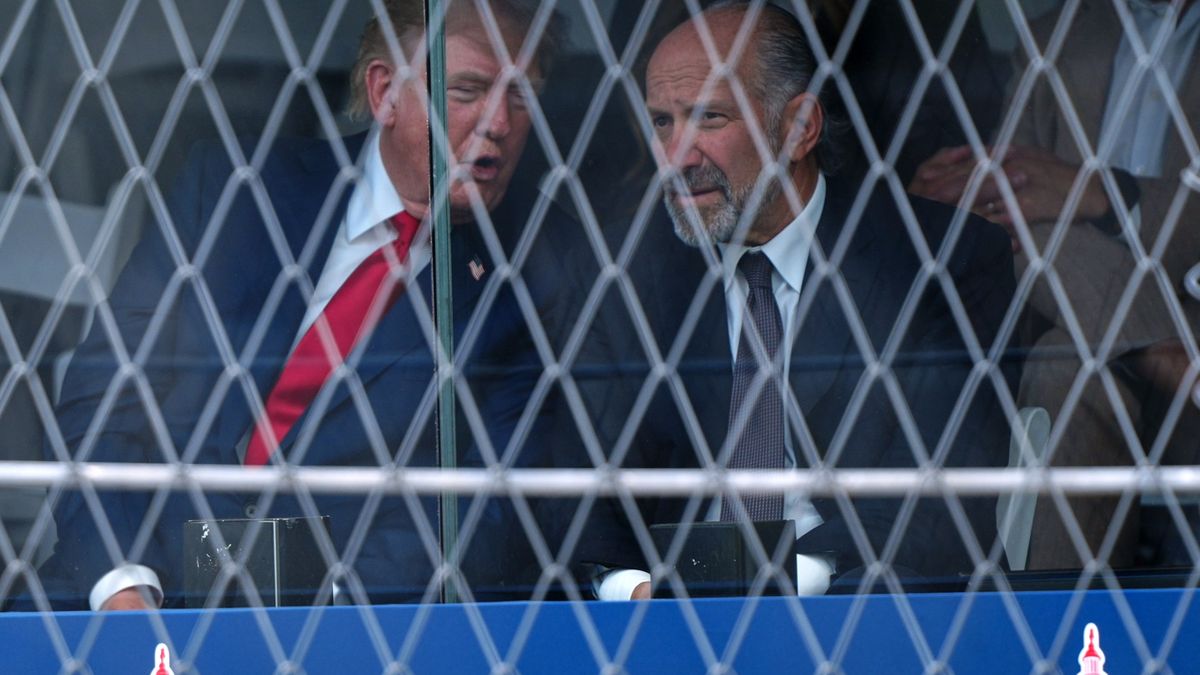
Jensen Huang, the recently resigned CEO of Nvidia, and Howard Lutnick, the current US Commerce Secretary, have been summoned to testify before the US Senate. This demand follows Huang's abrupt resignation amidst revelations of an extramarital affair with a woman US authorities suspect of spying for China. The core of the scandal revolves around allegations that Nvidia, a global leader in advanced artificial intelligence chips, did not receive adequate scrutiny for its substantial exports of these sensitive semiconductors to China, with accusations also leveled against the Commerce Department for allegedly resisting efforts to blacklist dozens of Chinese companies. The unfolding drama has seen Nvidia's market value dip below $4 trillion for the first time in over a year, signaling the profound impact of national security concerns on the tech sector.
The summoning of a former tech titan and a sitting cabinet secretary is a potent display of congressional oversight, signaling a deep-seated struggle for control over the flow of critical technology. At its heart, this event is a microcosm of the escalating US-China tech war, where economic advantage, military superiority, and national security are inextricably linked.
US lawmakers, particularly those on the Senate Banking Committee and House foreign affairs, intelligence, and China-focused committees, are asserting their power to investigate and shape policy. Their use of subpoenas underscores a determination to pierce through corporate veils and executive branch opacity. This move is driven by a bipartisan consensus that China's rapid technological advancement, particularly in AI, poses a direct challenge to US global leadership. The allegations against Commerce Secretary Lutnick's department, suggesting a reluctance to add Chinese companies to a trade blacklist, highlight an internal tension within the US government: the balance between fostering economic ties and safeguarding national security. President Donald Trump's earlier defense of Huang, calling him “honourable,” further complicates the narrative, hinting at political divisions and potentially conflicting priorities within the executive branch itself.
Nvidia, as a multi-trillion-dollar company, wields immense economic power. Its advanced chips are the backbone of modern AI, a technology deemed critical for everything from economic competitiveness to military applications. For Nvidia, the primary incentive is profit and market dominance, which historically meant selling to the largest possible markets, including China. This commercial imperative often clashes with national security directives aimed at restricting technology transfer. The scandal exposes the inherent conflict when a corporation's global commercial strategy runs counter to its home government's strategic interests. The alleged $25,000 donation to the Trump administration, while seemingly small for a company of Nvidia's stature, points to the broader ecosystem of corporate lobbying and influence that often shapes policy decisions behind closed doors.
For China, access to advanced semiconductors is a non-negotiable strategic imperative. Its ambitious plans for AI development, economic growth, and military modernization are heavily reliant on these chips. The US's tightening export controls are seen by Beijing as a direct attempt to stifle its rise. China's foreign ministry spokeswoman's warning that US regulations threaten global industry and supply chains is not merely rhetoric; it reflects a genuine concern about the disruption to its own economy and the broader global manufacturing ecosystem. Beijing's denial of spying allegations is predictable, but the underlying reality is a fierce competition for technological supremacy, where intelligence gathering is a known component of statecraft.
The alleged involvement of a Chinese spy in an affair with Nvidia's former CEO underscores the intelligence dimension of the tech war. This suggests that foreign intelligence agencies are actively targeting key individuals and companies to gain access to sensitive technology. Such revelations inevitably heighten suspicion and fuel calls for stricter controls, regardless of the commercial implications. The timing of these revelations, coinciding with ongoing debates about chip exports, amplifies their impact on policy decisions and public perception. The personal becomes geopolitical, illustrating how individual vulnerabilities can be exploited for state-level strategic advantage. This incident serves as a stark reminder that the battle for technological dominance is fought not only in boardrooms and legislative chambers but also in the shadows of personal lives.
While the headlines focus on CEOs, senators, and trillions of dollars, the escalating tech rivalry, exacerbated by incidents like the Nvidia scandal, carries significant human costs that are often overlooked in the grand strategic narratives.
China's warning about threats to global industry and supply chains is a critical point. The world's economy is deeply interconnected, and the semiconductor industry is particularly complex and globalized. Further restrictions on chip exports, or retaliatory measures from Beijing, can ripple through entire sectors. This means higher production costs for electronics, from smartphones to cars, which are ultimately passed on to consumers worldwide. Small businesses reliant on stable supply chains for components could face delays, increased expenses, or even collapse, leading to job losses and economic hardship far removed from the tech giants.
An atmosphere of suspicion and tight controls can stifle the open exchange of ideas and talent that has historically driven innovation in the tech sector. Scientists, engineers, and researchers from different nations may find it harder to collaborate on cutting-edge projects, leading to a balkanization of research and development. This fragmentation could slow down progress on critical global challenges, from climate change modeling to medical breakthroughs, which often rely on advanced computing power and international cooperation. The human potential for collective problem-solving is diminished when geopolitical tensions dictate scientific engagement.
For the millions of people employed in the tech industry and its vast supply chain, these geopolitical maneuvers translate into job insecurity. Companies like Nvidia that rely heavily on global markets may be forced to restructure, relocate manufacturing, or reduce their workforce if market access is curtailed. Workers in factories, research labs, and logistics operations, particularly in regions heavily dependent on the tech sector, face an uncertain future. The human toll of economic decoupling is not just about GDP figures; it's about livelihoods, family stability, and the ability to plan for the future.
The constant drumbeat of espionage allegations and national security concerns erodes trust at multiple levels. It fosters suspicion between nations, making diplomatic solutions harder. Within multinational corporations, it can create an environment of internal mistrust, impacting employee morale and collaboration. For ordinary citizens, it fuels a sense of unease and division, potentially leading to xenophobia or a perception that global cooperation is impossible. This erosion of trust is a societal cost that is difficult to quantify but deeply felt.
Behind the sensational headlines of affairs and alleged espionage, powerful actors often downplay or omit crucial aspects of the story, shaping the public narrative to serve their own interests.
The alleged $25,000 donation from Nvidia to the Trump administration is likely a mere fraction of the actual financial and political influence wielded by major tech companies. What is often downplayed is the pervasive nature of corporate lobbying, campaign contributions, and revolving-door appointments that allow industry giants to shape legislation and regulatory enforcement. Nvidia, like many tech behemoths, invests heavily in ensuring a favorable policy environment. The public narrative often focuses on individual scandals, diverting attention from the systemic ways in which corporate power can subtly, yet effectively, influence national security decisions and trade policies, often prioritizing profit over perceived national interests.
Source referenced: ALJAZEERA
This brief was synthesized by our Editorial Engine and reviewed by The Ground Narrative team.