TRENDING

Monday, 5 October 2026
----------------------
24 Rabi' Al-Thani 1448 AH
The eruption of Mount Etna in Sicily has halted flights at Catania airport, affecting thousands of travelers during the peak summer holiday season. As the most active volcano in Europe, Etna's frequent eruptions pose a significant threat to air travel and local communities. The disruptions have also highlighted the region's reliance on tourism and the need for sustainable infrastructure.
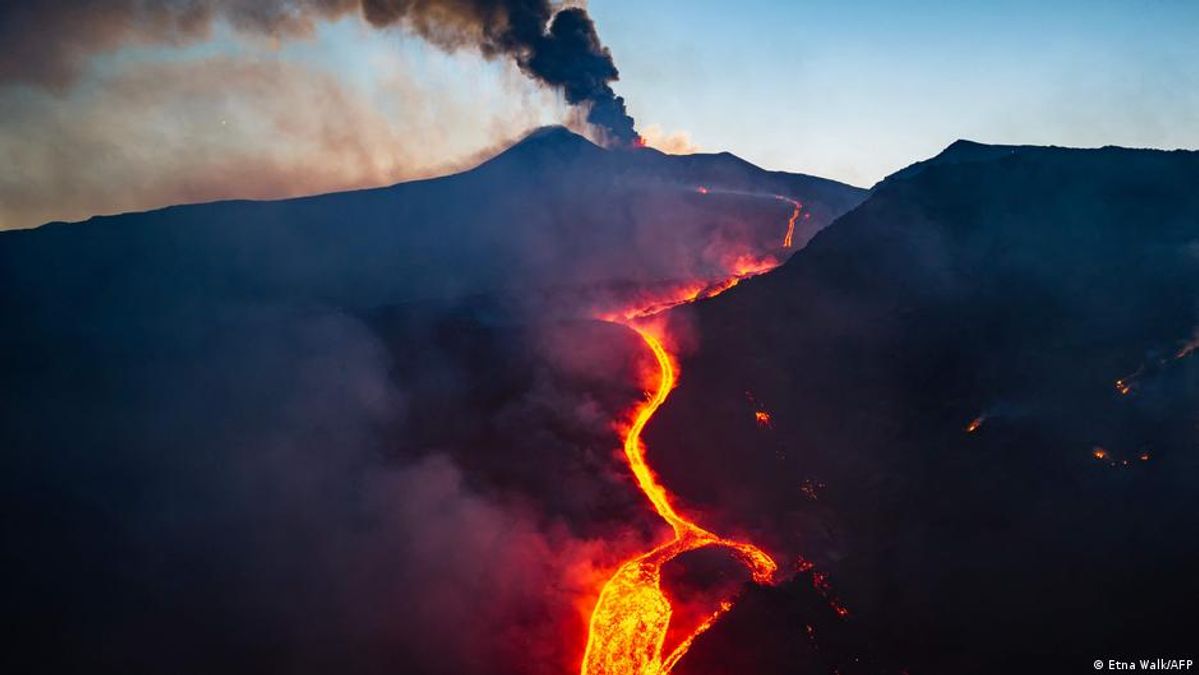
Mount Etna, Europe's most active volcano, has erupted again, forcing the suspension of flights at Catania airport in Sicily. The airport, located in the foothills of the volcano, has faced disruptions since late last week, with the airspace being fully closed in recent days. The eruption has affected not only local travelers but also those heading to Malta, with significant delays and cancellations reported.
The eruption of Mount Etna has exposed the vulnerabilities of Sicily's tourism industry, which relies heavily on air travel. The region's economy is heavily dependent on the summer holiday season, and the disruptions have placed a significant strain on local businesses. The Italian government and regional authorities have been criticized for their handling of the situation, with some arguing that more could have been done to mitigate the effects of the eruption. The power dynamics at play involve not only the Italian government but also the European Union, which provides significant funding for regional development projects.
The people most affected by the eruption are the travelers who have been stranded or forced to change their plans. However, the local communities surrounding Mount Etna are also bearing the brunt of the disruption. The city of Catania, located in the foothills of the volcano, has faced severe disruption or even damage from Etna's eruptions for millennia. The residents of Catania and surrounding areas are accustomed to living with the threat of the volcano, but the frequency and intensity of the eruptions have increased in recent years. The economic impact on local businesses, particularly those in the tourism sector, is also significant.
What is being downplayed by the authorities is the long-term impact of the eruption on the local environment and the potential health risks associated with the volcanic ash. The ash can pose a significant threat to respiratory health, particularly for vulnerable populations such as the elderly and young children. The Italian government and regional authorities have been criticized for their lack of transparency and preparedness in dealing with the eruption. The fact that the eruption has affected not only local travelers but also those heading to Malta highlights the need for a more coordinated regional response to the crisis.
As the situation continues to unfold, readers should watch for updates on the eruption and its impact on air travel in the region. The Italian government and regional authorities will face increasing pressure to provide support to affected communities and to develop a more sustainable and resilient infrastructure to mitigate the effects of future eruptions. The European Union's response to the crisis will also be crucial, particularly in terms of providing funding and expertise to support regional development projects. As the peak summer holiday season continues, the impact of the eruption on local businesses and communities will become increasingly apparent, and it is essential to monitor the situation closely to ensure that the needs of those affected are being met.
Editor's Note: The analysis is based on publicly available information and may not reflect the full complexity of the situation.
Source referenced: DW
This brief was synthesized by our Editorial Engine and reviewed by The Ground Narrative team.


