TRENDING

Friday, 16 October 2026
----------------------
5 Jumada Al-Awwal 1448 AH
The passing of former Qatari Emir Sheikh Hamad bin Khalifa Al Thani marks the end of an era defined by Qatar's dramatic rise as a significant geopolitical and economic power. His 18-year rule transformed the small Gulf state into a global energy giant and an assertive diplomatic player.
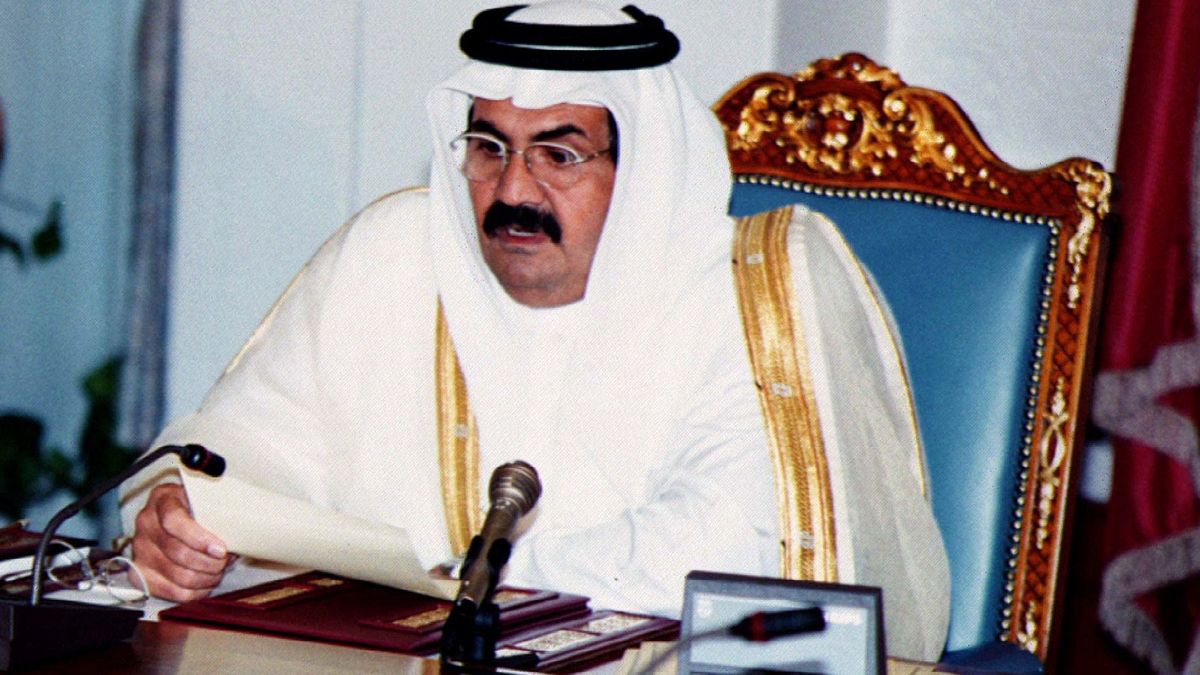
The passing of former Qatari Emir Sheikh Hamad bin Khalifa Al Thani at the age of 74, often referred to as the 'Father Emir,' signifies the close of a pivotal chapter in Qatar's modern history. Ruling from 1995 to 2013, Sheikh Hamad orchestrated a profound transformation of the Gulf nation, leveraging its vast natural gas reserves to project significant economic, diplomatic, and cultural influence on the regional and global stages. His legacy is characterized by an ambitious vision that propelled Qatar from a relatively obscure state to a key player in international affairs.
At the core of Sheikh Hamad's strategy was the aggressive development of Qatar's energy sector. Recognizing the immense potential of the North Field, the world's largest non-associated natural gas field, he spearheaded massive investments in liquefied natural gas (LNG) infrastructure. This foresight led to an unprecedented economic boom, with Qatar's gross domestic product (GDP) growing more than 24-fold during his tenure. By 2006, Qatar had become the world's largest LNG exporter, a position it largely maintains, with its exports currently representing 20 percent of the global market. This immense wealth provided the financial muscle for Qatar's domestic development and its assertive foreign policy. Beyond energy, Sheikh Hamad initiated the Qatar National Vision 2030, a comprehensive long-term strategy aimed at diversifying the economy, fostering a knowledge-based society, and ensuring sustainable development, laying the groundwork for future resilience.
Domestically, Sheikh Hamad introduced a series of reforms that, while not fully democratic, represented significant steps towards modernization within the Gulf context. He abolished censorship of the local press in 1995 and, crucially, launched the Al Jazeera Media Network in 1996. Al Jazeera rapidly evolved into a globally recognized news outlet, challenging established media narratives and providing a platform for diverse voices, particularly from the Arab world. This move was a strategic projection of Qatari soft power, enhancing its international profile and influence. Furthermore, his rule saw the introduction of municipal elections in 1999, notably allowing women to vote and stand as candidates, and the adoption of Qatar's first permanent constitution in 2004, which outlined the foundations of democratic rule and guaranteed citizens' rights and freedoms.
Perhaps one of the most distinctive aspects of Sheikh Hamad's foreign policy was Qatar's emergence as an active and often independent diplomatic mediator in regional conflicts. Unlike many of its Gulf neighbors, Qatar under Sheikh Hamad frequently adopted a non-aligned stance, engaging with a wide spectrum of actors. The country played a pivotal role in mediating disputes such as the Hanish Islands conflict between Eritrea and Yemen (1995), the Yemen war (2007-2010), the Lebanese political crisis (2008), and the Darfur peace process (2010-2011). These efforts solidified Qatar's reputation as an 'honest broker' in a volatile region.
One of his most controversial yet strategically significant diplomatic moves was his visit to Gaza in October 2012. Becoming the first Arab leader to visit the Palestinian territory since Hamas assumed control in 2006, Sheikh Hamad broke the international isolation of the movement, pledging $400 million for housing and infrastructure. This act underscored Qatar's willingness to engage with non-state actors and pursue an independent foreign policy, often diverging from the stances of Western powers, Israel, and even some Arab states, thereby enhancing its influence among various factions in the Middle East.
Beyond traditional diplomacy, Sheikh Hamad strategically invested in soft power initiatives to elevate Qatar's global standing. The establishment of the Qatar Foundation for Education, Science and Community Development in 1995 fostered innovation and cultural exchange. Critically, he championed Qatar's bid to host major international events, most notably securing the FIFA World Cup 2022. This achievement, a testament to his vision, brought unprecedented global attention and tourism to the nation, further cementing its place on the world stage. The hosting of such a prestigious event, while controversial in some aspects, undeniably showcased Qatar's organizational capabilities and its ambition to be a global hub.
Sheikh Hamad's 18-year rule fundamentally reshaped Qatar's trajectory. He transformed a small, oil-rich emirate into a dynamic and influential actor in global energy markets, a significant media power, and a proactive diplomatic force. His strategic decisions continue to define Qatar's independent foreign policy, its economic diversification efforts, and its ongoing role in regional and international affairs, leaving an indelible mark on the geopolitical landscape of the Middle East and beyond.
Source referenced: ALJAZEERA
This brief was synthesized by our Editorial Engine and reviewed by The Ground Narrative team.