TRENDING

Monday, 21 September 2026
----------------------
10 Rabi' Al-Thani 1448 AH
Houthis launched missiles at Riyadh for the first time since 2022, sparking a dangerous escalation. This analysis breaks down the power play, the human toll, and what to watch as the Gulf teeters on the brink.
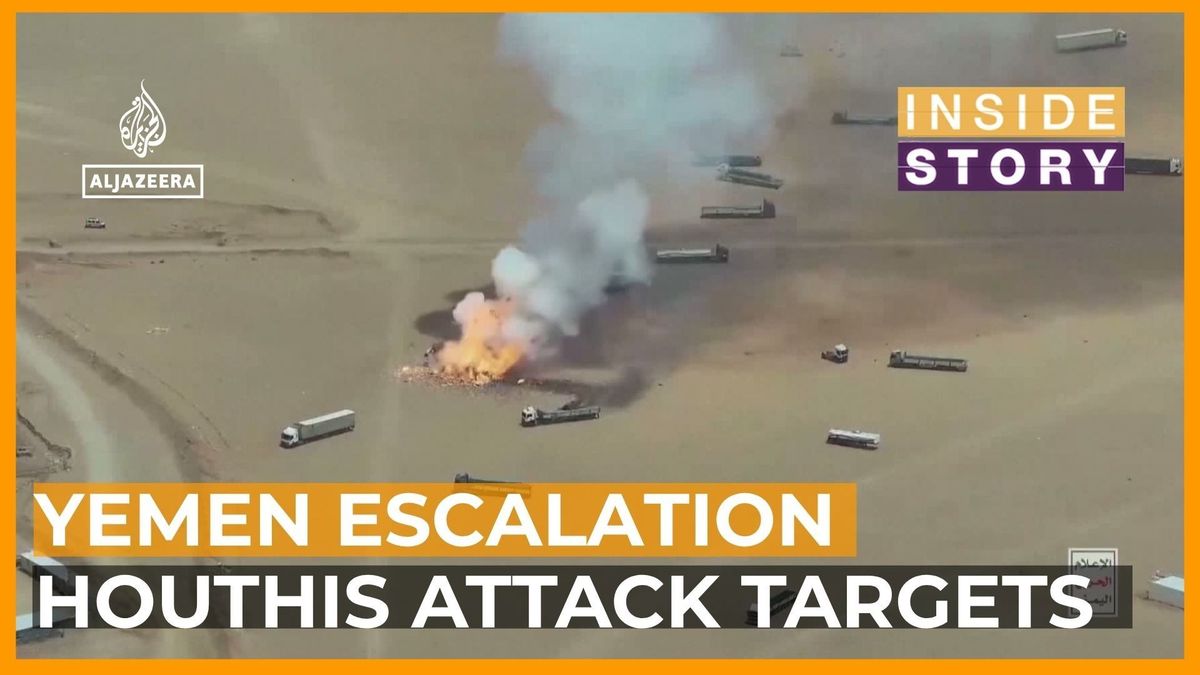
For the first time since a 2022 ceasefire, Yemen’s Iran‑backed Ansarullah Houthis fired ballistic missiles toward Saudi Arabia’s capital, Riyadh. The strikes coincided with a flurry of Houthi attacks across the kingdom’s border regions, prompting Saudi officials to warn of a "very sizeable" response. Turkey publicly pledged security support for Saudi Arabia, adding another layer to the regional calculus.
Saudi security calculus – The kingdom’s legitimacy rests on its ability to protect its borders and oil infrastructure. A missile reaching Riyadh challenges that narrative, pressuring the Crown Prince to demonstrate decisive force. The Saudi military doctrine, shaped by decades of Gulf War‑era planning, favors rapid, high‑intensity retaliation to deter further incursions.
Houthi strategy – The Houthis, backed by Iran, view missile strikes on the Saudi heartland as a bargaining chip. By breaking the ceasefire, they aim to extract concessions—whether in the form of eased blockades, political recognition, or a shift in Saudi‑UAE support for rival Yemeni factions. Their escalation calculus is tied to Iran’s own regional agenda, especially Tehran’s desire to keep the U.S. and Saudi forces occupied while it pursues its nuclear and proxy objectives.
Iran’s leverage – Tehran benefits from a proxy that can threaten the kingdom without direct involvement, preserving plausible deniability. The Houthi escalation allows Iran to signal strength to its own domestic audience and to rival powers, notably the United States, which maintains a naval presence in the Red Sea.
Turkey’s entry – Ankara’s pledge of defense assistance reflects its broader ambition to position itself as a security broker in the Gulf, counterbalancing both Saudi‑UAE dominance and Iranian influence. By aligning with Riyadh, Turkey also seeks to secure arms sales and deepen its strategic foothold in the region.
Alliance math – The United States, while publicly urging restraint, monitors the situation closely. A full‑scale Saudi response could draw U.S. naval assets into a wider confrontation, stretching American resources already committed elsewhere in the Indo‑Pacific and Europe.
The human cost of this escalation is already mounting. In Saudi border provinces, schools and markets have been shuttered as civilians flee missile alerts. The economic disruption threatens the livelihoods of thousands who depend on cross‑border trade with Yemen, a lifeline for many impoverished families. In Yemen, the Houthis’ focus on high‑profile attacks diverts resources from humanitarian aid distribution, exacerbating famine conditions in already besieged districts. Health clinics in Saada and Hajjah report shortages of medicines as supply lines are repeatedly targeted. Children in both countries face heightened trauma, with schools turning into shelters and the specter of air‑raid sirens becoming a daily reality.
Official statements from Riyadh and Tehran emphasize “regional stability,” yet both downplay the economic fallout of a prolonged air‑campaign. Saudi oil exports, a cornerstone of the global energy market, could be throttled if key pipelines or ports are threatened, inflating fuel prices worldwide. Likewise, Iran’s covert financing of the Houthis is rarely quantified, masking the scale of Tehran’s financial commitment and its impact on Iran’s own strained economy. Moreover, the role of private military contractors—many based in the Gulf and Europe—remains hidden, even as they stand to profit from any surge in arms sales and security contracts.
Watch for three key developments: 1) Saudi retaliation scope – whether Riyadh opts for limited strikes on Houthi command‑and‑control sites or escalates to a broader campaign that could involve coalition air power. 2) Iranian response – a calibrated increase in support to the Houthis or a diplomatic overture aimed at de‑escalation, possibly mediated by Turkey or Qatar. 3) International market signals – fluctuations in oil futures and shipping insurance rates will reveal how quickly global actors perceive the risk of a wider Gulf conflict. The interplay of these factors will shape the next weeks of regional security and the daily lives of millions caught in the crossfire.
Editor's Note: Analysis based on publicly available statements and expert commentary; precise Iranian support levels remain opaque.
Source referenced: ALJAZEERA
This brief was synthesized by our Editorial Engine and reviewed by The Ground Narrative team.


