TRENDING

Monday, 21 September 2026
----------------------
10 Rabi' Al-Thani 1448 AH
Ukraine’s massive drone raid on Moscow coincided with Russia’s tightly‑controlled parliamentary vote, prompting a Kremlin vow to intensify strikes. The clash reveals how electoral theater, military escalation, and civilian suffering are intertwined.
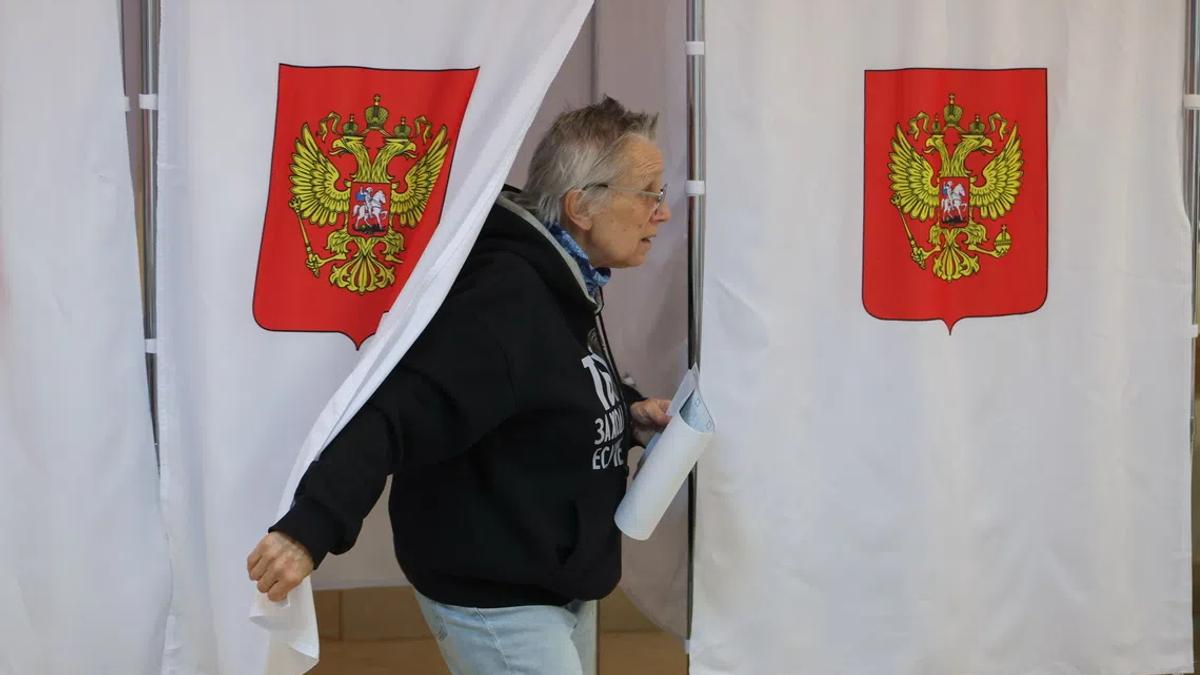
On September 20, 2026, Ukraine launched the largest drone assault on Moscow since the war began, sending roughly 1,600 unmanned aircraft toward the capital and killing two civilians. The same day, Russia held its first parliamentary election since the invasion of Ukraine, with the state‑run pollster VCIOM projecting United Russia to secure about 49 % of the vote.
The election serves as a legitimacy ritual for President Vladimir Putin, allowing the regime to claim domestic endorsement while masking the war’s growing costs. United Russia’s projected share mirrors its 2021 result, suggesting a managed outcome rather than a genuine contest. By framing the vote as an “answer to those who want to weaken Russia,” the Kremlin ties civic participation to military support, pressuring citizens to equate ballot‑casting with patriotism.
At the same time, Ukraine’s drone campaign exploits a strategic calculus: striking deep inside Russia forces the Kremlin to divert resources to air defence and domestic damage control, thereby stretching its war machine. The attacks also target economic nodes—an oil refinery and logistics hub—aiming to erode the financial flows that sustain the Russian offensive. For Moscow, the promise to “intensify high‑accuracy strikes” on Kyiv is a signaling device, reinforcing the narrative that any Ukrainian aggression will be met with escalated force, deterring further cross‑border raids while rallying hard‑line constituencies.
Both sides are leveraging information warfare. Russia’s Ministry of Defence portrays the drones as an assault on the “democratic will of Russian citizens,” while Ukraine’s President Zelensky celebrates the operation as a blow to the “war machine.” The parallel timing amplifies each narrative: Moscow casts the election as a referendum on the war, and Kyiv frames the raid as a direct response to that referendum.
The human toll is immediate and uneven. In Moscow’s suburbs, a 21‑storey apartment block was punctured, forcing the evacuation of roughly 400 residents and killing a 44‑year‑old woman and an elderly man. The displaced families now face temporary shelters, loss of personal belongings, and psychological trauma from an attack that most did not anticipate in their daily commute.
Beyond the capital, the broader Russian populace endures a climate of perpetual insecurity. Frequent drone incursions have disrupted transport, strained local economies, and heightened anxiety about civilian casualties. Meanwhile, Ukrainian civilians continue to bear the brunt of Russia’s retaliatory strikes on Ukrainian cities, a cycle that perpetuates loss on both sides of the border.
In the political arena, opposition figures remain sidelined. The liberal Yabloko party was barred from submitting a federal list, and prominent dissenters like Alexei Navalny are absent—Navalny died in prison in 2024. The electorate’s choices are therefore limited to parties that publicly endorse the war, constraining genuine public debate.
Official Russian statements downplay the systemic vulnerability exposed by the drone wave. While the defence ministry emphasizes “high‑accuracy” retaliation, it omits discussion of the underlying gaps in air‑defence coverage that allowed 450 drones to reach the capital. The narrative of a swift, decisive response masks the fact that Russia had to allocate additional SAM units and radar assets away from the front lines, potentially weakening its offensive posture in Ukraine.
Equally obscured is the economic dimension of the attacks. Zelensky’s remarks about “billions of dollars” lost focus on the longer‑term impact on Russia’s energy export revenues, which fund both the war effort and domestic subsidies. The Kremlin’s silence on how reduced oil output could affect the Russian budget sidesteps a critical pressure point that could influence future policy decisions.
Cyber‑attack claims add another layer of opacity. The Central Election Commission cited “highly professional” DDoS assaults but offered no attribution, leaving open the possibility of state‑sponsored interference or independent hacktivist groups. The lack of transparency prevents public scrutiny of whether the election infrastructure was compromised to inflate United Russia’s numbers.
Watch for three converging signals. First, the Kremlin’s retaliatory strike pattern: if Moscow escalates to longer‑range missile attacks on Kyiv, it could trigger a broader regional escalation involving NATO‑aligned states. Second, domestic unrest: repeated civilian casualties in Moscow may erode the regime’s narrative of invincibility, potentially sparking low‑level protests or increased emigration from affected districts. Third, the integrity of the State Duma composition: any post‑election data on electronic and military ballots could reveal discrepancies that opposition groups might exploit to challenge the legitimacy of United Russia’s mandate.
Monitoring these dynamics will clarify whether Russia’s electoral theater can sustain the war’s momentum or whether the twin pressures of external attacks and internal dissent will force a strategic recalibration.
Editor's Note: All facts are drawn from the provided source; broader strategic assessments rely on publicly known patterns.
Source referenced: STRAITSTIMES
This brief was synthesized by our Editorial Engine and reviewed by The Ground Narrative team.


