TRENDING

Wednesday, 11 November 2026
----------------------
1 Jumada Al-Thani 1448 AH
Saudi Arabia shot down missiles aimed at Riyadh after a Houthi strike on a key oil pipeline. The episode reveals shifting power calculations and the hidden toll on ordinary Saudis and Yemenis.
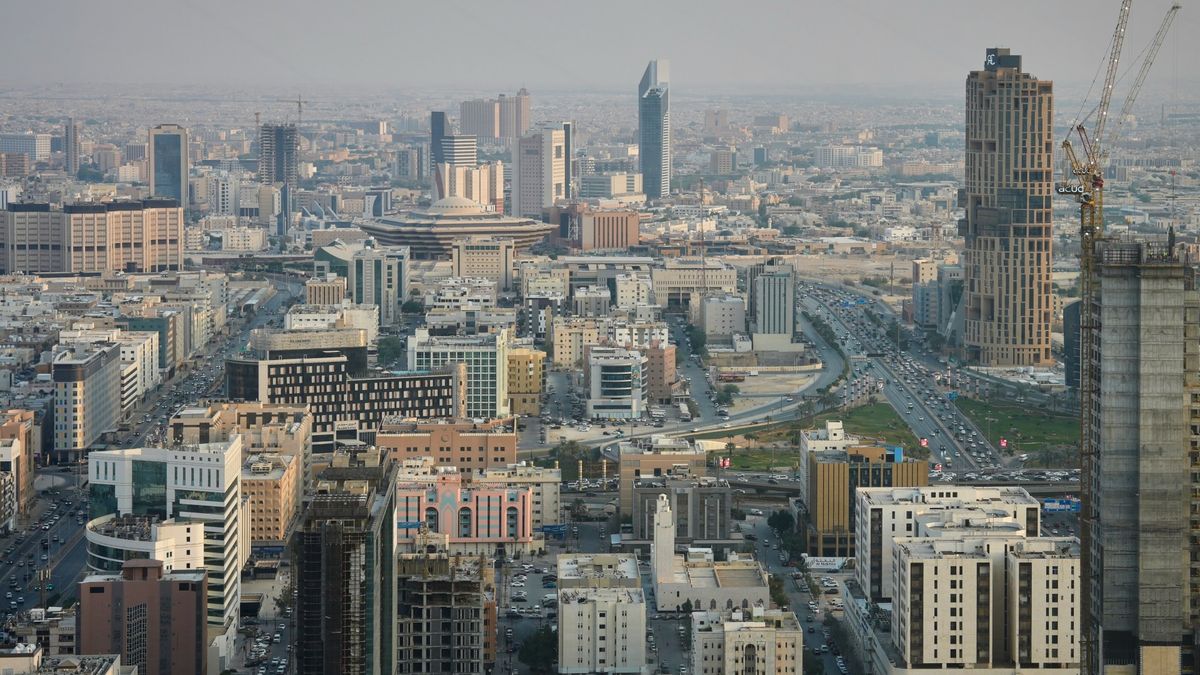
On 10 November 2026 the Saudi Arabia‑led coalition announced it had intercepted two missiles targeting the capital, Riyadh, and a third missile over the kingdom’s southern region. The missiles – a ballistic and a cruise type – were launched amid a Houthi‑claimed attack on the East‑West oil pipeline in the Medina province. Residents of Riyadh heard multiple explosions, received emergency text alerts, and saw the Aramco Tower sustain minor damage from falling debris. In retaliation, the coalition reported air strikes on Houthi‑controlled sites in Sanaa, including a gas facility and an oil‑company building.
The incident sits at the intersection of three overlapping power structures. First, the Houthis have leveraged missile and drone capabilities to pressure Saudi oil infrastructure, a tactic that grew out of a decade‑long civil war and the broader Iran‑Saudi rivalry. By striking the East‑West pipeline, the Houthis aim to exploit Saudi dependence on overland export routes after Iran‑related disruptions in the Strait of Hormuz.
Second, Saudi Arabia’s missile‑defence architecture, built with U.S. and European technology, serves both a protective function for the population and a signaling function for regional allies. Intercepting missiles over the capital demonstrates that the kingdom can shield its political and economic heartland, reassuring investors and deterring further escalation.
Third, the global energy market adds an economic layer. The East‑West pipeline, completed in 2024, was designed to bypass maritime chokepoints and keep Saudi crude flowing even when the Strait of Hormuz is threatened. Any perception that the pipeline is vulnerable can ripple through oil prices, influencing the fiscal calculations of Saudi Arabia, the United States, and European energy‑importing nations.
These forces combine into a feedback loop: Houthi attacks increase Saudi reliance on costly missile‑defence systems, which in turn justify higher defense spending and deeper security ties with the West. Meanwhile, the United States and its allies quietly benefit from a Saudi market that remains stable enough to keep oil flowing, even as they impose sanctions on Iran.
The sirens that blared across Riyadh forced thousands of commuters to seek shelter in office towers, shopping malls, and residential compounds. While official reports claim no casualties, the psychological impact of repeated alerts erodes public confidence in the state’s ability to guarantee safety. Workers in the city’s burgeoning construction sector, many of whom are migrant laborers from South Asia, face lost wages each time a lockdown is imposed.
The limited fire at the East‑West pipeline was extinguished quickly, but the incident exposed the vulnerability of the small towns that host the pipeline’s pumping stations. Workers—often employed on temporary contracts—risk exposure to hazardous materials and face the prospect of job loss if the line is shut down for repairs. Nearby villages, already grappling with water scarcity, see their limited economic opportunities further constrained.
Retaliatory air strikes on Sanaa’s gas facility and oil‑company building have compounded an already dire humanitarian situation. The strikes damaged infrastructure that supplies fuel for generators, hospitals, and water pumps. Civilians in the capital of the Houthi‑controlled north experience heightened insecurity, loss of essential services, and the looming threat of further bombardment.
Saudi officials repeatedly emphasized that “pipeline operations were unaffected,” a line designed to reassure investors and keep oil prices stable. What is omitted is the long‑term maintenance cost of a pipeline that must constantly operate under the threat of missile attacks. The financial burden ultimately falls on the Saudi budget, which is already strained by subsidies and public‑sector wages.
U.S. and European defense firms quietly benefit from Saudi procurement of missile‑defence systems, yet official statements frame the interceptions as purely defensive. The broader strategic gain—expanded market share for foreign arms manufacturers—is rarely disclosed, even as the same weapons are used to project power beyond Saudi borders.
Coverage highlighted the damage to the Aramco Tower, a symbol of Saudi wealth, while the daily disruptions experienced by low‑income workers received little attention. This framing diverts public scrutiny away from the socioeconomic strain on migrant laborers who constitute the backbone of the kingdom’s construction boom.
- Missile‑defence procurement: Watch for announcements of new contracts with U.S. or European firms, which could signal an escalation in Saudi military spending.
- Pipeline resilience measures: Any shift toward undergrounding sections of the East‑West line or building redundant routes would indicate acknowledgment of persistent threat.
- Humanitarian access in Yemen: Monitor UN reports on civilian casualties following Saudi air strikes, as increased civilian harm could pressure the coalition to alter its rules of engagement.
- Energy market reactions: Track Brent crude price movements after each reported attack; spikes may reveal how tightly global markets tie oil stability to regional security.
- Domestic sentiment in Saudi Arabia: Social‑media chatter and public‑opinion surveys could expose growing fatigue among citizens tired of living under constant aerial alerts.
By keeping an eye on these indicators, observers can gauge whether the missile interceptions represent a temporary defensive success or a sign of a deeper, protracted contest over the Gulf’s energy lifelines.
The Houthis aim to pressure Saudi Arabia by threatening its export routes, especially after Iran‑related disruptions in the Strait of Hormuz, hoping to leverage economic concessions.
The system successfully intercepted both a ballistic and a cruise missile over Riyadh and a second ballistic missile in the south, but its long‑term efficacy depends on continued upgrades and foreign support.
Any disruption to the East‑West pipeline or perceived vulnerability of Saudi oil exports can cause short‑term spikes in Brent crude, reflecting market sensitivity to Gulf security.
Editor's Note: Analysis based on publicly available reports and expert assessments up to November 2026.
Source referenced: ALJAZEERA
This brief was synthesized by our Editorial Engine and reviewed by The Ground Narrative team.