TRENDING

Sunday, 25 October 2026
----------------------
14 Jumada Al-Awwal 1448 AH
Saudi Arabia recently intercepted drones from Iraq and faced claims of strikes from Yemen's Houthi rebels, targeting critical oil infrastructure and the capital. These coordinated attacks underscore a significant escalation in regional tensions, challenging a fragile period of calm between the United States and Iran.
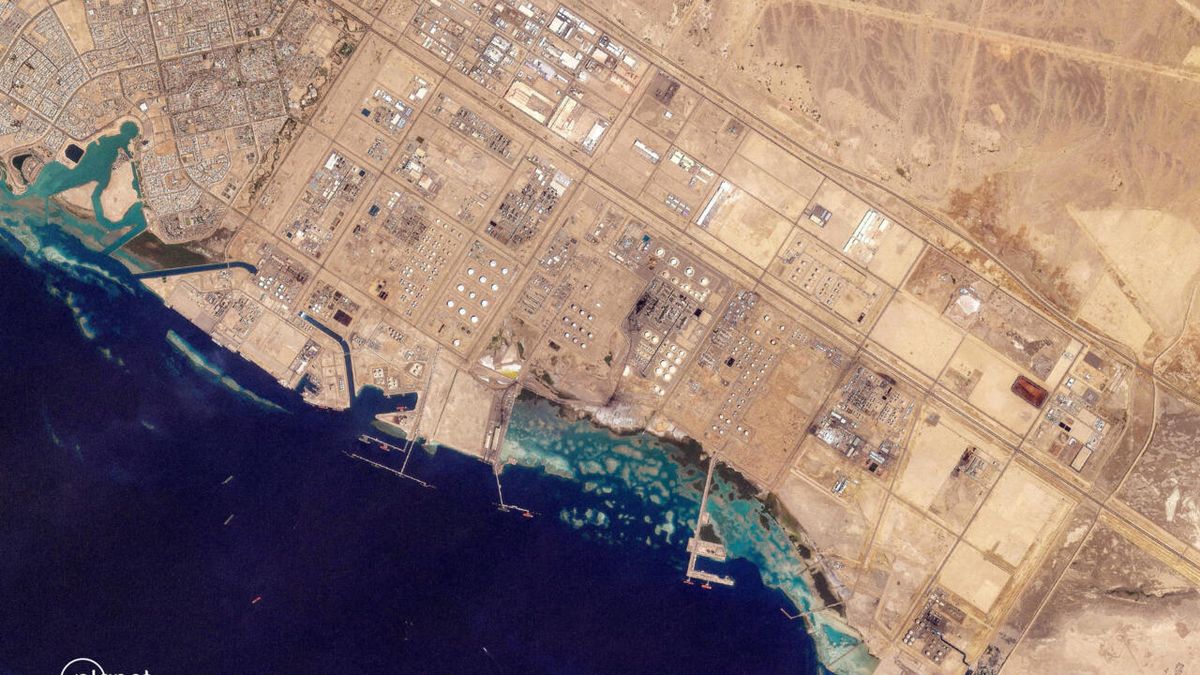
Saudi Arabia recently reported intercepting multiple drones launched from Iraqi territory by Iran-backed militias, simultaneously with claims from Yemen's Houthi rebels of separate drone strikes on the kingdom's oil infrastructure. These incidents, occurring on Monday, July 27, 2026, mark a significant resurgence of hostilities in the Middle East, challenging a recent lull in direct confrontations between the United States and Iran.
The Saudi defence ministry confirmed the interception of several drones, stating they were launched from Iraqi territory by "Iranian-backed terrorist militias" and targeted petroleum facilities in the country's east, as well as the capital, Riyadh. This accusation places direct responsibility on groups operating within Iraq, prompting Saudi Arabia to demand that Baghdad "take all necessary measures to ensure the prevention of the use of its territory as a launching point" for such attacks. The use of Iraqi territory by non-state actors for cross-border assaults has been a recurring concern for Gulf states, raising questions about Iraq's sovereignty and its capacity to control armed groups operating within its borders.
Concurrently, Yemen's Houthi rebels claimed responsibility for their own drone attacks on Saudi Arabian oil infrastructure. The Houthis stated these strikes were in response to alleged Saudi drone incursions and announced the imposition of a naval blockade on the kingdom's ports. This development is particularly significant as it marks the first time in years that Saudi Arabia and the Houthis have openly traded blows, threatening a de facto truce established in 2022, which had largely held despite its official expiration. The Houthi's declaration of a naval blockade, if enforced, could have severe implications for shipping lanes in the Red Sea and global energy markets.
The timing of these attacks is critical. They follow a period of relative calm after 13 days of intense exchanges of fire between the United States and Iran earlier in the month, which had been preceded by an April ceasefire that subsequently broke down. The renewed aggression, particularly from Iran-backed groups, suggests that while direct US-Iran hostilities may have paused, the broader regional proxy conflict continues unabated. Iran's strategy often involves leveraging allied non-state actors to project influence and exert pressure on rivals like Saudi Arabia, without necessarily engaging in direct state-on-state conflict.
The involvement of militias operating from Iraq highlights the complex and often volatile security landscape of the region. These groups have historically targeted Saudi Arabia and other Gulf nations, demonstrating their capability to destabilize the region and challenge the security of critical infrastructure. For Iraq, the repeated use of its territory as a launchpad for attacks against its neighbours poses a significant diplomatic challenge and risks further entangling Baghdad in regional power struggles.
These dual attacks carry substantial strategic implications. Firstly, they underscore the persistent vulnerability of Saudi Arabia's critical energy infrastructure, which is vital for global oil supplies. Any sustained disruption could lead to significant volatility in international energy markets, impacting the global economy. Secondly, the breakdown of the de facto truce between Saudi Arabia and the Houthis threatens to reignite the full-scale conflict in Yemen, exacerbating an already dire humanitarian crisis and further destabilizing the Arabian Peninsula.
Thirdly, the incidents complicate efforts towards regional de-escalation and any potential future diplomatic overtures between the United States and Iran. The continued activity of Iran-backed proxies, even during periods of reduced direct state-level confrontation, indicates the deep-seated nature of regional rivalries and the challenges in achieving lasting stability. Saudi Arabia's demand for Iraq to control its territory also highlights the intricate web of alliances and rivalries that define Middle Eastern geopolitics, potentially straining relations between Riyadh and Baghdad.
In conclusion, the recent drone attacks on Saudi Arabia from two distinct fronts represent a significant escalation that could unravel fragile periods of calm. They serve as a stark reminder of the enduring proxy conflicts, the vulnerability of critical infrastructure, and the complex interplay of regional and international actors that continue to shape the volatile security landscape of the Middle East.
Source referenced: FRANCE24
This brief was synthesized by our Editorial Engine and reviewed by The Ground Narrative team.