TRENDING

Monday, 5 October 2026
----------------------
24 Rabi' Al-Thani 1448 AH
Russia unleashed its heaviest combined strike on Ukraine’s energy grid in months, prompting emergency blackouts in Kyiv as winter looms. The attack deepens the civilian toll and reveals Moscow’s calculus of using cold as a weapon.
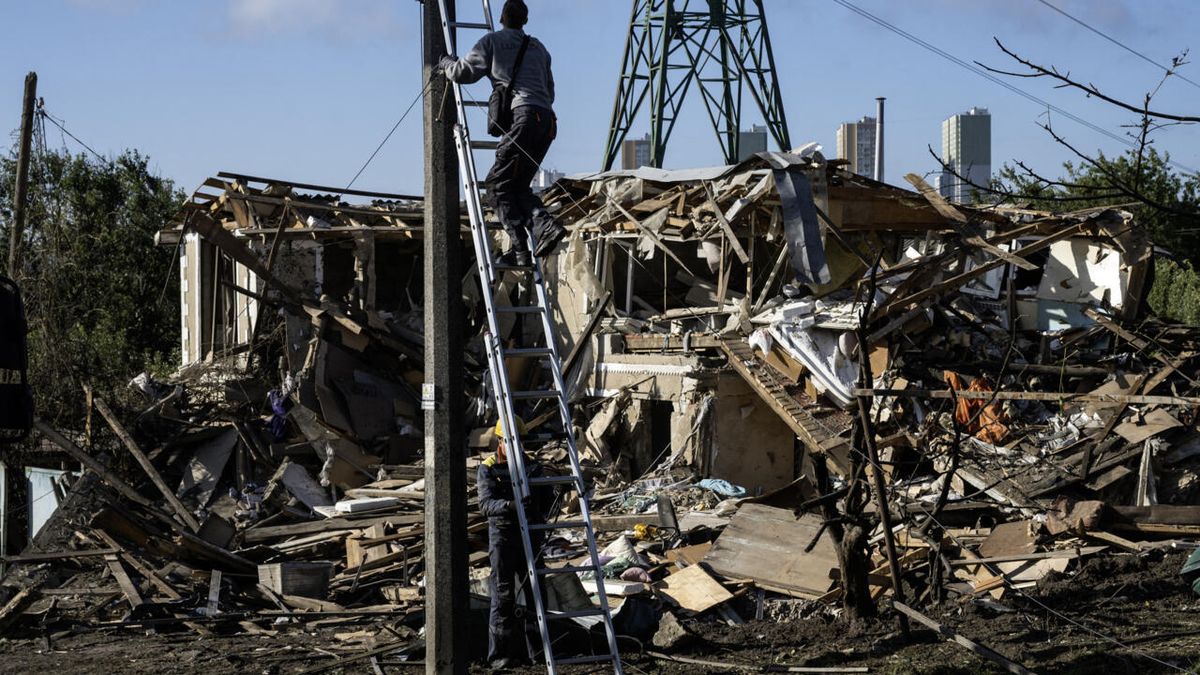
On 1 October 2026 Russia launched a coordinated air campaign targeting Ukraine’s power and heating infrastructure. The assault killed seven civilians, including a child, and forced emergency power cuts in Kyiv and three surrounding regions – the first such curtailment in the capital since spring. Ukrainian air defenses intercepted most of the 285 drones, but high‑speed, jet‑propelled models and a ballistic missile breached the shield, damaging a key power plant and ancillary facilities.
The strike serves multiple strategic layers. First, it pressures Ukraine’s civilian morale ahead of the harsh winter, exploiting the country’s limited air‑defence bandwidth and its reliance on a centralized grid. Second, by forcing emergency cuts, Moscow forces Kyiv to divert resources to backup power and shelter management, diluting its capacity to sustain offensive operations on the eastern front. The attack also signals to Western allies that Ukraine’s energy resilience remains a vulnerability, potentially shaping future aid packages toward short‑term generators rather than long‑term grid hardening. For Russia, the operation is a low‑cost, high‑visibility lever that sidesteps direct battlefield losses while still delivering a coercive blow.
The blackout hits ordinary Kyiv residents first: families huddling in poorly insulated apartments, small businesses losing perishable stock, and patients dependent on electricity‑driven medical equipment. Rural communities, already grappling with fuel shortages, face longer outages as grid operators prioritize urban centers. Children miss school as heating systems fail, and the urban poor, who lack private generators, are forced into overcrowded shelters that lack basic sanitation. The human toll extends beyond the seven fatalities; chronic exposure to cold increases respiratory illnesses, strains the health system, and erodes public confidence in the state’s ability to protect its citizens.
Official statements from Moscow deny any intent to target civilians, framing the strikes as “military targets.” What remains under‑reported is the systematic use of energy infrastructure as a lever of collective punishment, a tactic that skirts the legal definition of a war crime but achieves the same coercive effect. Western governments, while condemning the attacks, have been cautious in labeling them as violations of international humanitarian law, likely to avoid escalating diplomatic friction with Russia at a time when energy markets are already volatile. Moreover, the narrative that Ukraine’s grid is “fragile” is amplified by Russian propaganda, subtly shifting blame onto Kyiv for insufficient preparedness, while obscuring Moscow’s role in deliberately degrading civilian resilience.
Watch for three developments. First, Ukraine’s response: accelerated deployment of mobile micro‑grids and increased reliance on imported diesel generators, which could strain its fiscal budget and fuel logistics. Second, Western aid: whether NATO members will expand funding beyond short‑term generators to include grid hardening, cyber‑defence, and winter‑ready shelters. Third, Russian escalation: the pattern suggests a broader winter campaign, potentially extending attacks to water treatment facilities and transport hubs. Monitoring diplomatic chatter for any shift in the language of “civilian protection” could indicate whether the international community will move from condemnation to concrete legal action.
Editor's Note: All details are drawn from the cited France 24 report; casualty figures and grid status are based on official Ukrainian statements.
Source referenced: FRANCE24
This brief was synthesized by our Editorial Engine and reviewed by The Ground Narrative team.


