TRENDING

Wednesday, 7 October 2026
----------------------
26 Rabi' Al-Thani 1448 AH
Moscow dismisses Washington's notion that increased Ukrainian strikes could lead to a peaceful resolution, warning that escalation may prolong the conflict.
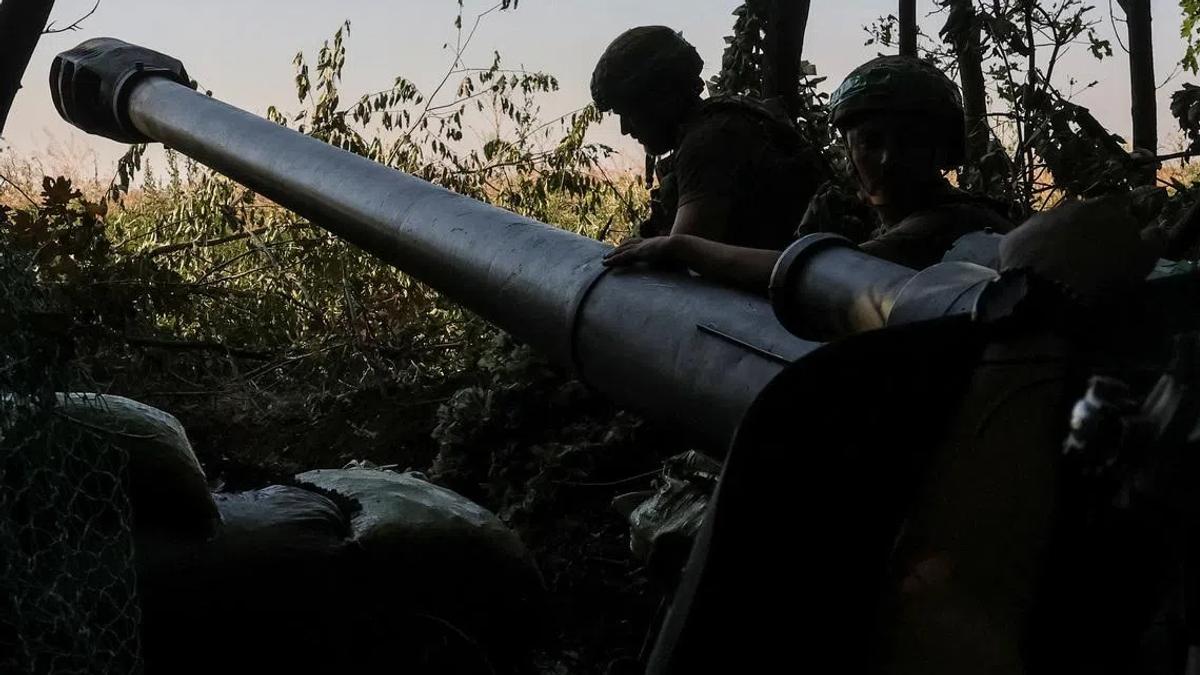
The Kremlin has firmly rejected the notion that increased Ukrainian strikes into Russian territory could help bring about an end to the ongoing conflict in Ukraine. Speaking at a NATO summit in Turkey, US Secretary of State Marco Rubio expressed hope that Russia's difficulties in defending its skies would create space for negotiations, while US President Donald Trump stated that the escalation could 'hopefully lead to an end.' However, Kremlin spokesman Dmitry Peskov countered that this premise is flawed, arguing that escalation would only prolong the conflict.
Russia's stance on this issue is deeply rooted in its strategic motivations. President Vladimir Putin's administration has consistently emphasized the need to protect Russian interests and maintain control over Ukraine. The recent drone strikes on Russia's oil refineries and ports have strengthened Putin's resolve to continue fighting, with three sources close to the Kremlin indicating a high probability of escalation in the coming months.
The conflict in Ukraine has been ongoing for over four years, with both sides engaging in a cycle of violence and retaliation. Russia's 'special military operation' in Ukraine has been marked by significant human rights abuses and widespread destruction. The international community has imposed various sanctions on Russia in response, but the conflict remains unresolved.
The rejection of escalation-driven peace has significant regional implications. The conflict in Ukraine has already had a profound impact on European security, with many countries providing military aid to Ukraine and imposing sanctions on Russia. The escalation of the conflict could lead to further instability in the region, potentially drawing in other countries and exacerbating the humanitarian crisis.
The future consequences of Russia's rejection of escalation-driven peace are uncertain. However, it is clear that the conflict will continue to have far-reaching implications for regional and global security. The international community must continue to work towards a peaceful resolution, while also addressing the root causes of the conflict and providing support to those affected.
The rejection of escalation-driven peace by Russia highlights the complexities of the conflict in Ukraine. While the US and other countries may see increased Ukrainian strikes as a means to an end, Russia views them as a threat to its national security. The conflict is deeply rooted in historical and strategic factors, making a peaceful resolution challenging. The international community must continue to engage with all parties to find a lasting solution to the conflict.
Editor's Note: While the analysis suggests that Russia is unlikely to accept escalation-driven peace, there is a possibility that the conflict could be resolved through diplomatic means.
Source referenced: STRAITSTIMES
This brief was synthesized by our Editorial Engine and reviewed by The Ground Narrative team.


