TRENDING

Tuesday, 6 October 2026
----------------------
25 Rabi' Al-Thani 1448 AH
Russia's Supreme Court has barred the Yabloko party, the country's only registered anti-war party, from participating in the upcoming parliamentary elections. The move has dismayed some voters and sparked concerns about the state of democracy in Russia. As the country continues to wage war in Ukraine, the ban on Yabloko raises questions about the Kremlin's willingness to tolerate dissenting voices.
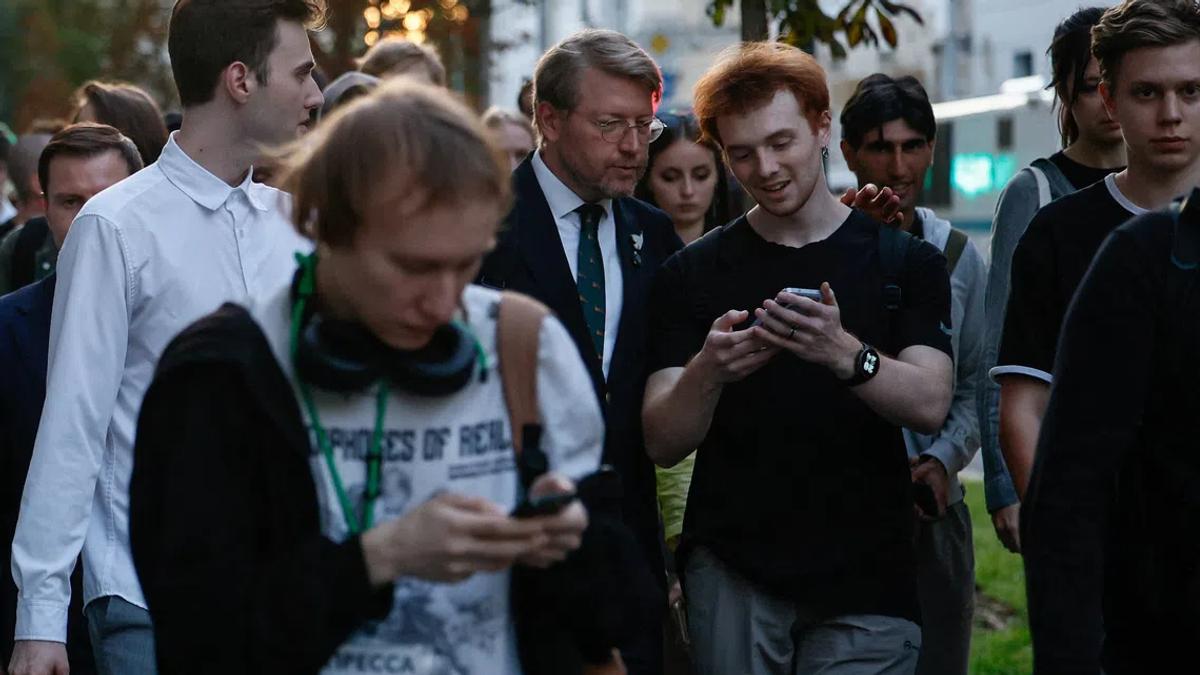
Russia's Supreme Court has ruled to exclude the Yabloko party, the country's only registered anti-war party, from the upcoming parliamentary elections. The court's decision was based on allegations of undeclared funding and breaches of campaigning rules. Yabloko has vowed to appeal the verdict, denying the allegations and arguing that the move is an attempt to stifle dissenting voices.
The ban on Yabloko is a stark reminder of the Kremlin's tight grip on power and its willingness to suppress opposition voices. The Russian government has long been criticized for its human rights record and its treatment of dissidents. The war in Ukraine has only exacerbated these tendencies, with the government cracking down on anti-war protests and imposing strict censorship laws. The Yabloko party's call for a ceasefire agreement with Ukraine is seen as a threat to the Kremlin's narrative on the war, and the ban is likely an attempt to prevent the party from gaining traction.
The ban on Yabloko will have a significant impact on Russian voters who oppose the war in Ukraine. With Yabloko out of the running, these voters will be left without a viable outlet to express their views. The move will also have a chilling effect on free speech and dissent in Russia, as people will be less likely to speak out against the government's actions. The war in Ukraine has already had a devastating impact on civilians, with thousands killed and millions displaced. The ban on Yabloko will only add to the sense of disillusionment and hopelessness among Russians who oppose the war.
The Kremlin's decision to ban Yabloko from the elections is not just about suppressing opposition voices; it is also about maintaining a narrative of unity and support for the war effort. The government has been keen to portray the war as a patriotic endeavor, with Russians rallying behind the flag. However, the reality is more complex, with many Russians opposing the war and feeling disillusioned with the government's actions. The ban on Yabloko is an attempt to hide this reality and prevent alternative voices from being heard.
As the elections approach, it will be important to watch how the Kremlin responds to dissenting voices. Will the government continue to crack down on anti-war protests and opposition parties, or will it try to co-opt these voices and incorporate them into the mainstream narrative? The international community will also be watching closely, with many countries already criticizing Russia's human rights record and its actions in Ukraine. The ban on Yabloko is a significant development in the ongoing struggle for democracy and free speech in Russia, and it will be important to monitor the situation closely in the coming weeks and months.
Editor's Note: The analysis is based on publicly available information and may not reflect the full complexity of the situation on the ground.
Source referenced: STRAITSTIMES
This brief was synthesized by our Editorial Engine and reviewed by The Ground Narrative team.