TRENDING

Wednesday, 11 November 2026
----------------------
1 Jumada Al-Thani 1448 AH
Nations rich in vital raw materials are increasingly demanding a greater share of the value created by the global electric vehicle industry. This strategic shift is reshaping economic relationships and industrial development across the Asia-Pacific and beyond.
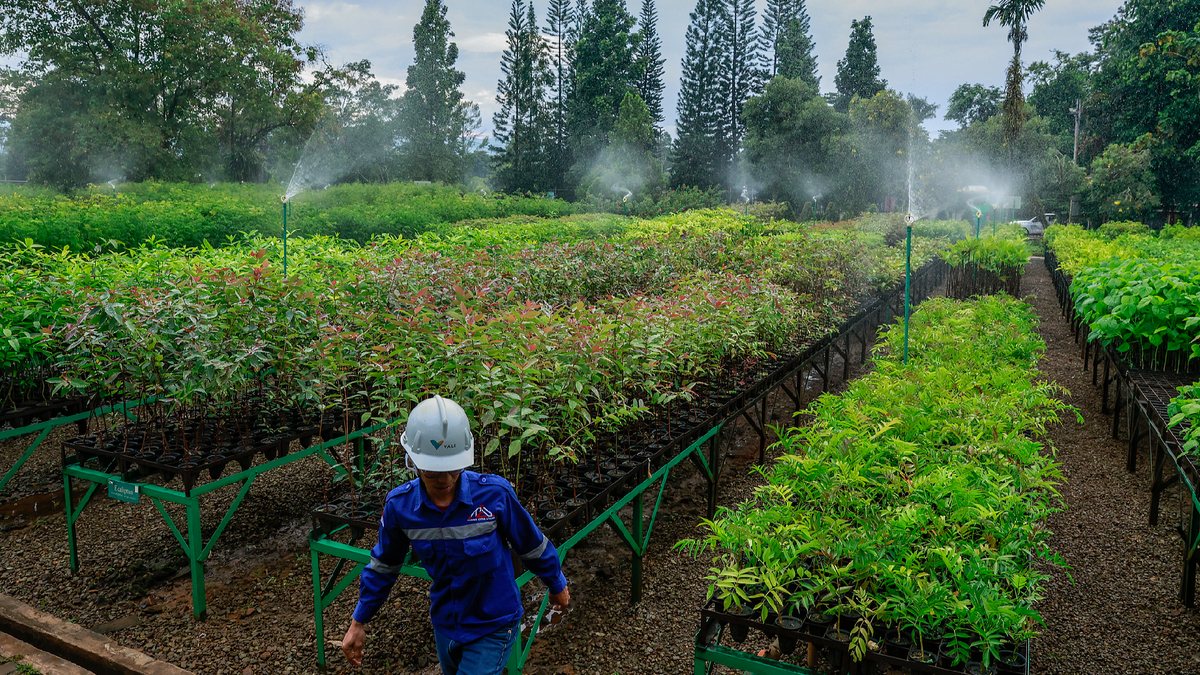
Across the Asia-Pacific, a fundamental shift is underway in how economies engage with global industry. Traditionally, many nations served as raw material suppliers, exporting minerals to be processed and manufactured elsewhere. However, a new model is emerging, driven by the burgeoning electric vehicle (EV) market, where resource-rich countries are pushing to integrate further into the supply chain, from mining to processing and even manufacturing. This involves nations like Indonesia leveraging its vast nickel reserves to attract investment in domestic smelting and battery production, and Chile aiming to develop downstream industries for its lithium and copper rather than just exporting raw ore.
This evolving economic landscape is fundamentally about a redistribution of power in global manufacturing. For decades, the paradigm was clear: resource-rich developing nations supplied raw materials to industrialized powers, which then transformed them into high-value finished goods. The current shift challenges this hierarchy, driven by several interlocking forces.
Nations like Indonesia are demonstrating a potent form of resource nationalism. By restricting the export of raw nickel ore and mandating domestic processing, Indonesia forces international investors, particularly from China, to build smelting and refining facilities within its borders. This isn't merely about capturing a larger slice of the economic pie; it's about industrializing, creating jobs, and acquiring technological know-how. This strategy fundamentally alters the bargaining power of resource-rich states, transforming them from passive suppliers into active participants in the value chain. Similarly, Chile's National Lithium Strategy, involving state-owned enterprises in partnerships with private companies, signals a desire to exert greater national control over its strategic mineral assets and foster local industry.
China plays a pivotal role in this new model. As the world's largest EV market and a dominant force in battery manufacturing, securing a stable and diversified supply of critical minerals like nickel and lithium is a strategic imperative for Beijing. Chinese companies have invested heavily in processing facilities in Indonesia and are major buyers of Chilean lithium. This isn't just about commercial opportunity; it's about de-risking supply chains and maintaining global competitiveness. By investing in these upstream segments, China ensures access to vital materials while simultaneously expanding its economic influence across the Asia-Pacific and South America. The rapid expansion of Chinese EV brands in Southeast Asia further solidifies this strategy, creating integrated regional ecosystems where Chinese capital, technology, and market demand connect directly with regional resources and manufacturing capabilities.
The push for integrated supply chains is also a reflection of intense global competition. Beyond China, other major economic blocs—the United States, the European Union, and Japan—are acutely aware of their reliance on external sources for critical minerals and processed materials. Initiatives like Canada's efforts to build a complete domestic supply chain, from mining to battery manufacturing, highlight a broader trend among developed nations to secure their own industrial futures. This global scramble for control over the critical mineral supply chain is not just economic; it's a matter of national security and technological sovereignty, shaping alliances and trade policies worldwide.
While the promise of economic development and industrialization is often highlighted, the rapid expansion of critical mineral extraction and processing carries significant human and environmental costs, often borne by the very communities intended to benefit.
The extraction and processing of minerals like nickel and lithium are inherently resource-intensive and environmentally damaging. Nickel mining in places like Indonesia, particularly from laterite ores, often involves extensive deforestation, soil erosion, and the generation of vast quantities of toxic waste. This waste, if not properly managed, can contaminate water sources and agricultural land, directly impacting the livelihoods and health of local populations who depend on these resources. Similarly, lithium extraction in arid regions like Chile's Atacama Desert consumes enormous volumes of water, straining already scarce resources and threatening fragile ecosystems and indigenous communities who rely on traditional water sources. The push for rapid industrialization often sidelines robust environmental impact assessments and community consultations, leading to irreversible damage.
New industries, while promising jobs, do not always deliver equitable or safe working conditions. The rapid establishment of mines, processing plants, and manufacturing facilities can lead to a surge in demand for labor, but often with insufficient protections. Workers in these nascent industries, particularly in developing nations, may face low wages, hazardous working environments, and limited unionization rights. The influx of foreign investment and technology can also create new forms of economic disparity, with a small segment of the population benefiting disproportionately while many others remain in precarious employment or are displaced from traditional livelihoods. The promise of
The rapid global expansion of the electric vehicle (EV) market is creating immense demand for critical minerals like nickel and lithium. This demand is prompting resource-rich nations to seek greater control and value addition from their raw materials.
These nations are implementing policies, such as export bans on raw ores and state-led strategies, to attract investment in domestic processing and manufacturing. This allows them to move beyond being mere raw material suppliers and integrate further into the high-value EV supply chain.
While promising economic growth, the rapid industrialization carries significant environmental costs, including deforestation and water pollution from mining. There are also human costs related to labor conditions, potential displacement of local communities, and the underlying geopolitical tensions of resource competition.
Editor's Note: This analysis interprets a future-dated news article (2026) as a projection of current and ongoing trends in critical mineral supply chains and geopolitical dynamics.
Source referenced: CGTN
This brief was synthesized by our Editorial Engine and reviewed by The Ground Narrative team.