TRENDING

Saturday, 19 September 2026
----------------------
8 Rabi' Al-Thani 1448 AH
Dozens of Houthi missiles and drones struck a Saudi military base, tightening the choke‑choke on oil flows and exposing the hidden costs of regional power games.
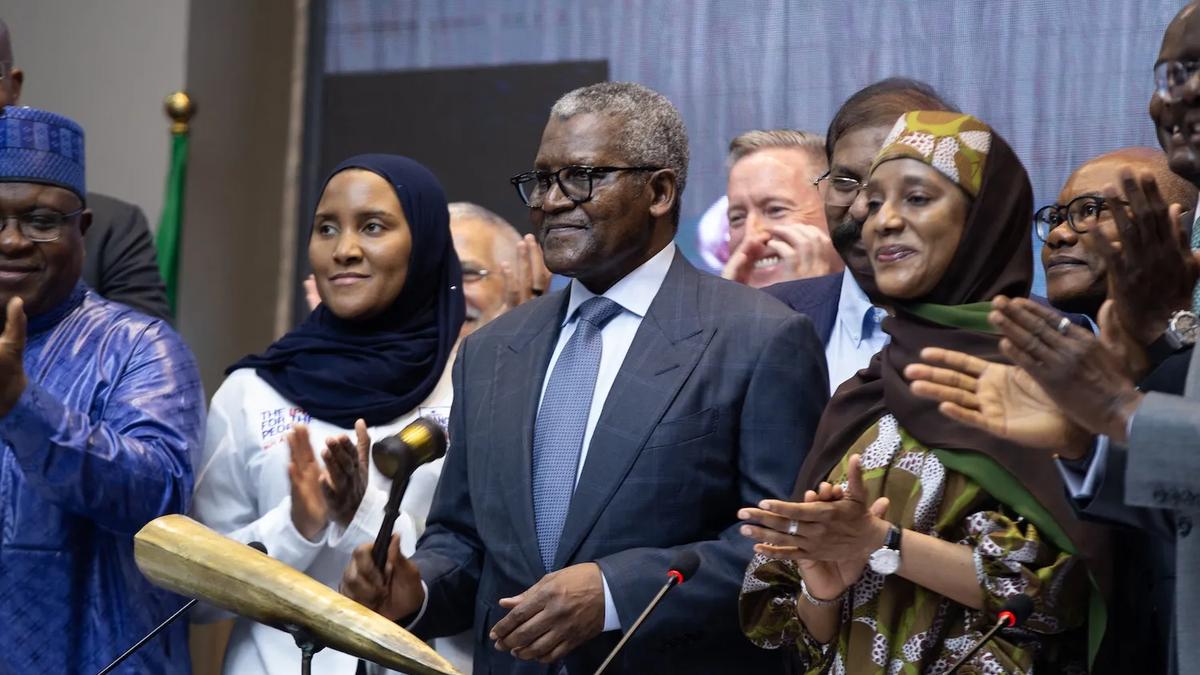
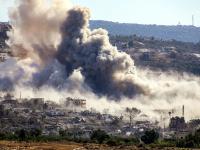
On Monday, Yemen’s Iran‑backed Houthi movement launched a coordinated barrage of missiles and drones at the Khamis Mushait air base in Saudi Arabia. The attack damaged runways, destroyed several aircraft, and prompted a swift Saudi air response. The strike coincided with a week of high‑profile diplomatic moves – a Modi‑Xi meeting at the BRICS summit, EU leaders gathering in Finland to discuss Arctic security, and a record‑size IPO by Nigeria’s Aliko Dangote – underscoring how localized violence can ripple through global markets.
The Houthis’ capacity to strike deep inside Saudi territory rests on a web of state and non‑state incentives. Iran supplies the rebels with precision‑guided munitions, using the proxy to pressure Saudi Arabia without direct confrontation. For Riyadh, defending its airfields is a matter of regime survival; any perceived weakness could embolden internal dissent and external rivals. The timing aligns with a broader Saudi push to diversify its energy export routes, especially after the Red Sea corridor faced repeated disruptions. Meanwhile, Western powers – the United States and the EU – quietly increase naval patrols and, as recent disclosures reveal, deploy space‑based weapons to monitor and potentially counter such missile launches. The convergence of a high‑stakes diplomatic summit (Modi‑Xi) and an Arctic security focus in Finland signals that great powers are simultaneously juggling regional flashpoints and long‑term strategic arenas, using economic levers (BRICS cooperation, energy market stability) to offset the destabilising effect of proxy warfare.
The immediate human toll falls on Saudi airmen stationed at Khamis Mushait, many of whom were injured or killed. Their families, already coping with the social pressures of a militarised society, now face loss of income and state‑provided benefits that are often delayed. In Yemen, civilian populations bear the brunt of retaliatory Saudi airstrikes that follow Houthi attacks, leading to displacement, loss of livelihoods, and deteriorating health services. Global oil consumers – from truck drivers in Kenya to factory workers in Bangladesh – feel the indirect impact through higher fuel prices triggered by market jitters after each Red Sea incident. Even investors in Dangote’s IPO, many of whom are small‑scale African savers, watch the oil market volatility erode the real value of their newly purchased shares.
Official statements from Riyadh and Washington frame the strikes as “terrorist aggression” and emphasize the need for “enhanced security.” What remains under‑reported is the extent to which the United States’ newly fielded space‑based weapons are intended to protect commercial shipping lanes and, by extension, American corporate interests in the region’s energy supply chain. The EU’s Arctic agenda, presented as a climate‑security initiative, also serves to justify increased NATO presence near Russia, diverting attention from the Red Sea’s growing strategic importance. Moreover, the Modi‑Xi rapprochement is portrayed as a commercial reset, yet both leaders are quietly negotiating defense‑industry deals that could shift the balance of power in the Indian Ocean, indirectly affecting Saudi maritime routes.
Watch for three converging developments. First, Saudi Arabia is likely to accelerate its partnership with the United Arab Emirates on unmanned aerial surveillance, potentially escalating the drone‑warfare cycle. Second, the United States may reveal more details about its space‑based weapons, prompting a new arms‑race in orbital domains that could spill over into commercial satellite pricing. Third, the EU’s Arctic summit in Finland could produce a joint declaration that expands NATO’s northern footprint, a move that may provoke Russia to increase its own Arctic missile deployments, further stretching the security calculus that currently diverts attention from the Red Sea. For ordinary citizens, the next indicator will be the price at the pump and the headlines about civilian casualties in Yemen – the real barometers of who ultimately pays for these power plays.
Source referenced: FOREIGNPOLICY
This brief was synthesized by our Editorial Engine and reviewed by The Ground Narrative team.