TRENDING

Friday, 16 October 2026
----------------------
5 Jumada Al-Awwal 1448 AH
The passing of Qatar's Father Emir, Sheikh Hamad bin Khalifa Al Thani, marks the end of an era defined by his transformative leadership, which propelled the Gulf state onto the global stage through economic diversification and assertive diplomacy. His reign from 1995 to 2013 saw Qatar become a major energy exporter and a significant player in international affairs, leaving a profound and lasting geopolitical legacy.
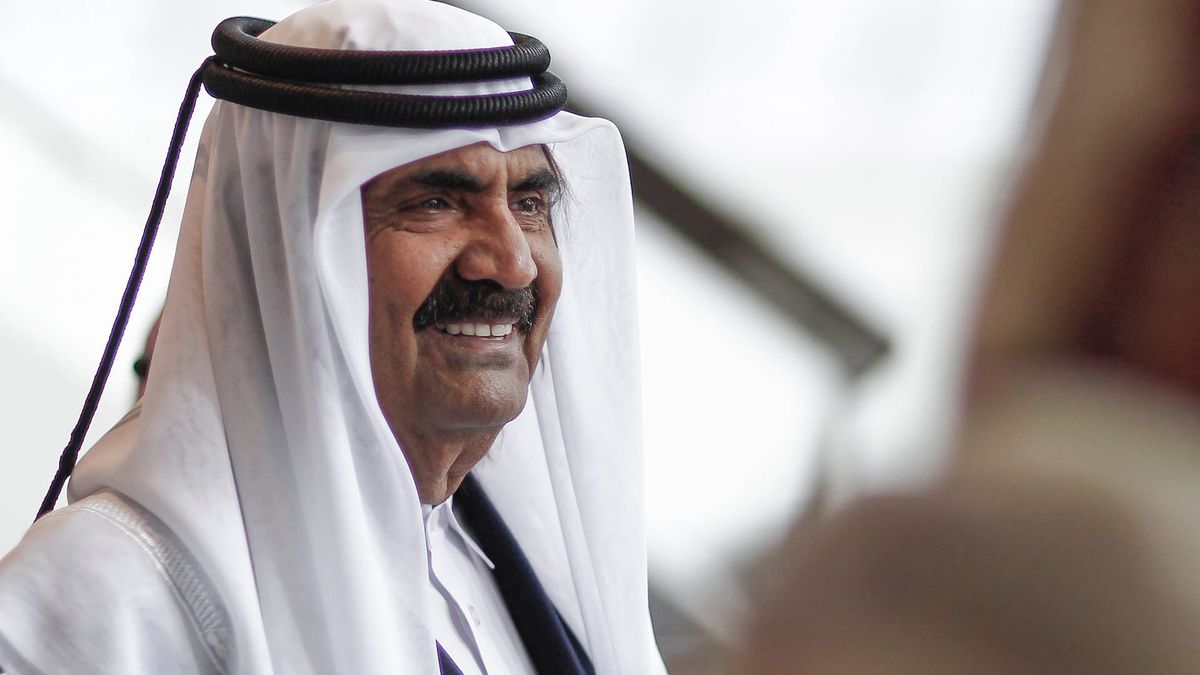
The Amiri Diwan announced on July 12, 2026, the death of His Highness the Father Amir Sheikh Hamad bin Khalifa Al Thani at the age of 74. Sheikh Hamad, who ruled Qatar from 1995 to 2013, is widely recognized as the principal architect of the modern Qatari state and its remarkable rise as a significant geopolitical actor. His passing prompts a reflection on the strategic shifts he engineered, which fundamentally reshaped Qatar's domestic landscape and international standing.
Sheikh Hamad's leadership was characterized by an ambitious vision for economic development, primarily leveraging Qatar's vast natural gas reserves. Under his guidance, Qatar transformed into the world's largest exporter of liquefied natural gas (LNG), a strategic move that provided the nation with immense wealth and, consequently, significant diplomatic leverage. This economic foundation allowed Qatar to embark on large-scale infrastructure projects, invest heavily in education and culture, and establish a robust sovereign wealth fund. The strategic decision to prioritize LNG exports not only secured Qatar's economic future but also positioned it as a crucial player in global energy markets, influencing supply dynamics and energy security discussions worldwide. This economic power became the bedrock for Qatar's subsequent diplomatic activism and soft power projection.
Beyond economic prowess, Sheikh Hamad championed an independent and often assertive foreign policy, distinguishing Qatar from some of its Gulf Cooperation Council (GCC) neighbors. His reign saw Qatar engage in extensive international partnerships, mediating conflicts and hosting significant global events. Notable diplomatic engagements included meetings with multiple U.S. Presidents (George W. Bush and Barack Obama), European leaders like German Chancellor Angela Merkel and Queen Elizabeth II, and various UN Secretary-Generals. Qatar's involvement in regional affairs was particularly pronounced, offering financial aid for reconstruction efforts in Lebanon following the 2006 war and providing support to Gaza, demonstrating a willingness to engage with diverse, sometimes controversial, actors. This approach aimed to elevate Qatar's profile as a neutral mediator and a reliable partner, even as it occasionally strained relations with regional rivals.
Crucially, Sheikh Hamad oversaw the establishment and expansion of Al Jazeera Media Network, which became a powerful tool for Qatari soft power. While often lauded for its independent journalism, Al Jazeera also served as a platform to project Qatari perspectives and influence public opinion across the Arab world and beyond, further cementing Doha's unique diplomatic posture.
One of Sheikh Hamad's most significant and enduring legacies was his decision in 2013 to voluntarily abdicate power to his son, Sheikh Tamim bin Hamad Al Thani, who was then 33 years old. This move was highly unusual for a hereditary ruler in the Gulf region, where successions are typically driven by death or coup. The peaceful and planned transition ensured stability and continuity, demonstrating a forward-thinking approach to governance and succession planning. This smooth handover of power not only solidified Qatar's internal stability but also projected an image of modernity and institutional strength on the international stage, contrasting with the more turbulent political transitions seen elsewhere in the Middle East.
Sheikh Hamad's 18-year rule fundamentally transformed Qatar from a relatively obscure emirate into a globally recognized and influential state. His strategic vision for economic diversification, proactive diplomacy, and a stable succession plan laid the groundwork for Qatar's continued prominence. The nation's successful bid to host the 2022 FIFA World Cup, secured during his tenure, stands as a testament to his ambition to place Qatar firmly on the world map. His death marks the passing of a pivotal figure whose decisions continue to shape Qatar's domestic policies, its regional relationships, and its role in the broader international system. The current Emir, Sheikh Tamim, continues to build upon this foundation, navigating complex geopolitical challenges while maintaining the independent and assertive foreign policy that was a hallmark of his father's reign.
Source referenced: ALJAZEERA
This brief was synthesized by our Editorial Engine and reviewed by The Ground Narrative team.