TRENDING

Monday, 5 October 2026
----------------------
24 Rabi' Al-Thani 1448 AH
A recent incident involving a civilian aircraft entering restricted airspace over a youth sporting event attended by President Donald Trump in Ohio has raised concerns about the effectiveness of presidential security measures. The incident, which was the fourth of its kind in a week, highlights the complexities of protecting high-profile individuals in a crowded and dynamic airspace.
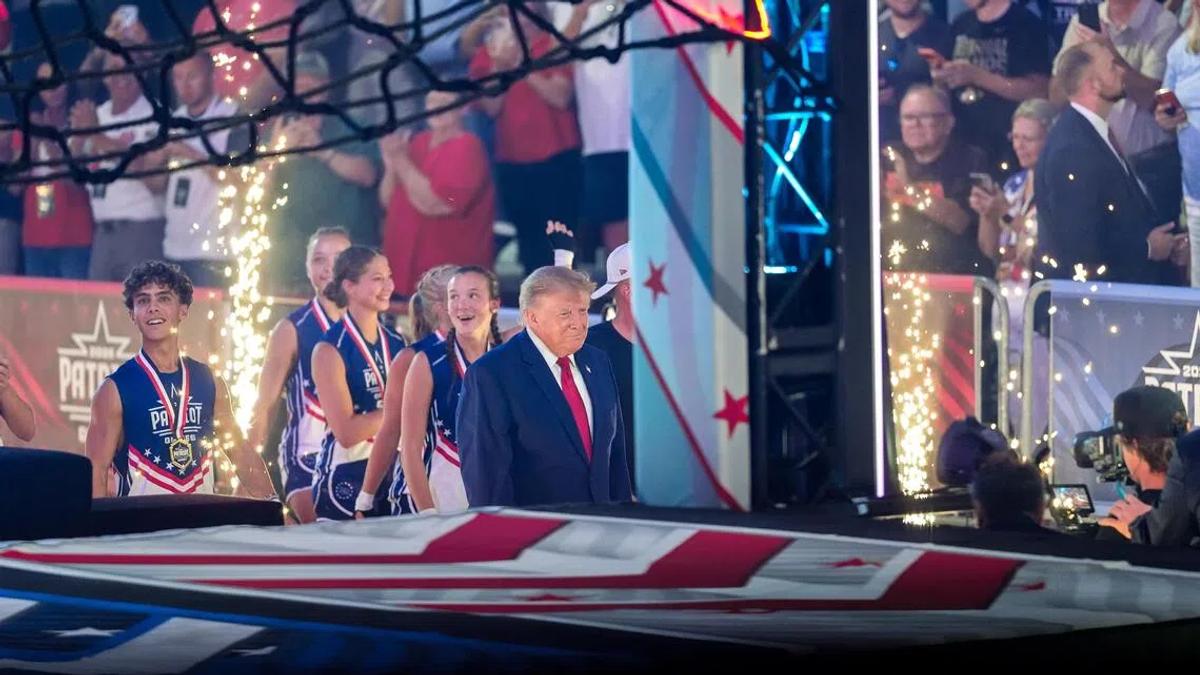
On August 11, US fighter jets intercepted a civilian aircraft that entered the restricted airspace above a youth sporting event attended by President Donald Trump in Ohio. The aircraft was safely escorted out of the airspace by the fighter jets, which deployed flares as a warning to the pilot to leave the no-fly zone. This incident was the latest in a series of similar events, with at least three other aircraft violating the no-fly zone around Trump's golf course in Bedminster, New Jersey, on August 9.
The incident highlights the challenges of maintaining presidential security in a complex and dynamic environment. The use of temporary flight restrictions (TFRs) and no-fly zones is a critical component of presidential security, but these measures can be difficult to enforce, particularly in areas with high volumes of air traffic. The fact that multiple aircraft have violated these restrictions in recent days suggests that there may be gaps in the system, which could be exploited by malicious actors.
The human cost of a security breach involving the President could be catastrophic. The potential consequences of an attack on the President are too grave to contemplate, and it is the responsibility of the Secret Service and other security agencies to ensure that all necessary measures are taken to prevent such an event from occurring. However, the fact that multiple aircraft have been able to penetrate the no-fly zone around the President in recent days raises concerns about the effectiveness of these measures and the potential risks to the President and those around him.
What is being downplayed in the official statements about these incidents is the potential for more sinister motivations behind the violations of the no-fly zone. While the incidents may have been accidental, they could also be a probe or a test of the security measures in place to protect the President. The fact that the fighter jets dispatched to intercept the aircraft in Ohio deployed flares, which are countermeasures intended to confuse and defeat heat-seeking missiles, suggests that the military is taking these incidents seriously and is prepared to respond to potential threats.
As the President continues to travel and attend public events, it will be important to watch for any further incidents involving violations of the no-fly zone. The ability of the Secret Service and other security agencies to prevent such incidents and respond effectively to potential threats will be critical to ensuring the President's safety. Additionally, the use of advanced technologies, such as drones and other unmanned aerial vehicles, could potentially pose new challenges to presidential security, and it will be important to monitor developments in this area.
Editor's Note: The analysis is based on publicly available information and may not reflect the full range of factors and considerations involved in presidential security.
Source referenced: STRAITSTIMES
This brief was synthesized by our Editorial Engine and reviewed by The Ground Narrative team.


