TRENDING

Tuesday, 6 October 2026
----------------------
25 Rabi' Al-Thani 1448 AH
A flydubai pilot stabbed his co‑pilot mid‑air, forcing an emergency landing in Saudi Arabia and prompting the airline to halt Israel routes. The incident pulls the UAE, Israel, Saudi Arabia and wider aviation safety into a tense showdown.
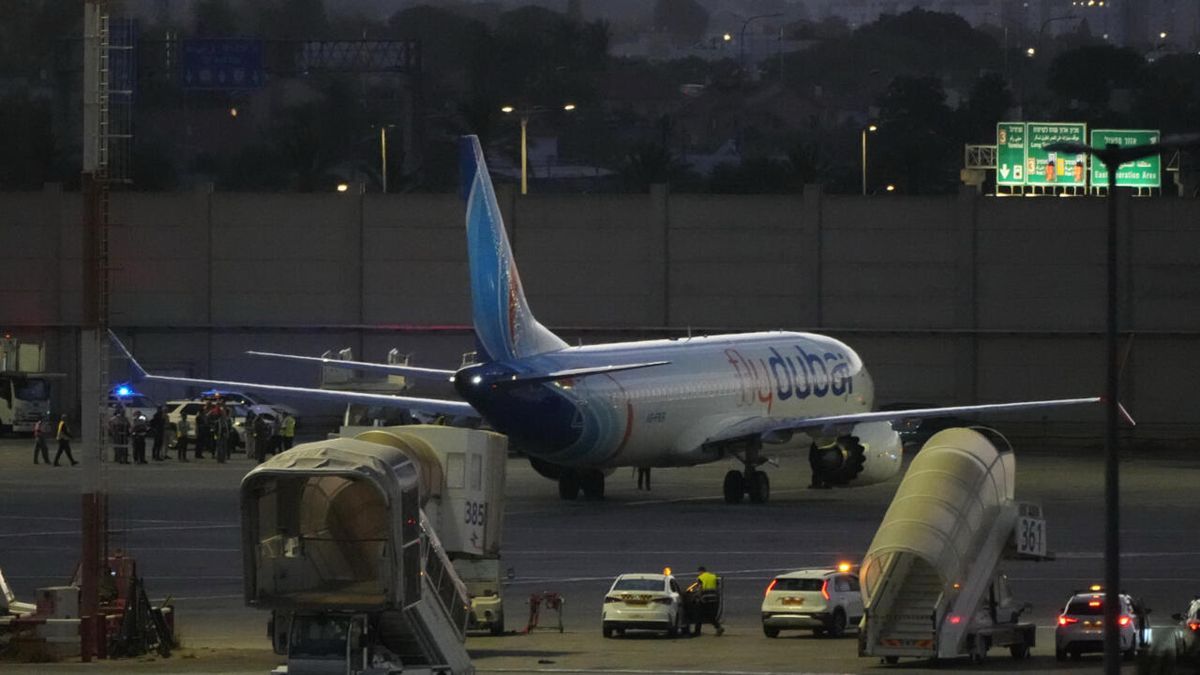
On September 30, 2026, flydubai flight FZ1073, a budget carrier owned by Emirates, was en route from Dubai to Tel Aviv with about 170 passengers, most of them Israeli. Mid‑flight, the captain attacked his co‑pilot with a knife, causing the aircraft to plunge roughly 10,000 metres in a minute. Passengers and crew managed to wrest control, and the plane was diverted to Tabuk, Saudi Arabia, where it landed safely after a dramatic descent.
The incident sits at the intersection of three state interests. First, the United Arab Emirates, whose flag the aircraft flies, must protect its aviation brand and the lucrative Gulf‑to‑Europe tourism corridor. An investigation ordered by the UAE prosecutor‑general signals a desire to demonstrate legal control and to distance the state from any suggestion of covert sponsorship. Second, Israel views the attack as a direct threat to its citizens abroad, framing it as a “terror attack” to justify heightened security measures and to rally domestic support for a hard line on regional adversaries. Third, Saudi Arabia, the unexpected landing site, now holds a diplomatic lever: by arresting the pilot and offering medical aid, Riyadh can portray itself as a responsible security partner, subtly shifting regional narratives that often pit it against Israel. All three governments are balancing domestic political survival—UAE’s need to keep its open‑sky image, Israel’s security narrative, Saudi Arabia’s bid for broader acceptance—against the risk of an aviation scandal that could ripple through global airline confidence.
The passengers on board, many of whom were on a business or family trip, endured a life‑threatening plunge and the trauma of a hijack‑like scenario. Their immediate concerns—medical treatment, psychological counseling, and the loss of travel plans—are now secondary to the bureaucratic fallout. Airlines’ ground staff in Dubai and Tel Aviv face sudden schedule disruptions, reduced income, and the stigma of operating a route linked to violence. Moreover, the families of the two injured pilots confront uncertainty about long‑term health and livelihood. The broader labor force in the Gulf’s low‑cost carrier sector, already under pressure from rising fuel costs, now faces potential job cuts if flydubai suspends the Israel corridor for an extended period.
Official statements emphasize the “terror” label or the pilot’s personal motive, but they gloss over deeper security gaps in airline crew vetting across the Gulf. The UAE’s aviation regulator has long relied on a mix of expatriate staffing and rapid hiring to meet demand, creating a patchwork of background checks that may miss radicalization signals. Additionally, the incident exposes the geopolitical calculus of using civilian airlines as soft‑power tools: Emirates‑owned carriers serve as conduits for tourism, trade, and diplomatic goodwill, yet they become vulnerable when regional rivalries spill over into commercial skies. Neither the UAE nor Israel has publicly addressed how intelligence sharing on airline personnel is coordinated, leaving a blind spot that could be exploited by non‑state actors.
Watch for three developments. First, the outcome of the UAE‑led investigation: whether it attributes the act to personal grievance, extremist influence, or a broader plot will shape future crew screening protocols. Second, Israel’s diplomatic response: a possible demand for stricter security guarantees on flights to and from the Gulf, which could pressure the UAE into tighter oversight or, conversely, trigger a pull‑back on cooperation. Third, Saudi Arabia’s handling of the arrested pilot: a public trial could become a stage for Riyadh to showcase its counter‑terror credentials, while a quiet release might hint at behind‑the‑scenes negotiations. The incident also raises the question of whether other Gulf carriers will pre‑emptively suspend routes to contested destinations, reshaping regional air traffic patterns and affecting millions of travelers.
The fallout will not stay confined to the cockpit; it will ripple through airline economics, security policy, and the fragile diplomatic dance that underpins Gulf‑Israel relations.
Editor's Note: All facts are drawn from the provided raw report; deeper intelligence on crew vetting processes remains limited.
Source referenced: FRANCE24
This brief was synthesized by our Editorial Engine and reviewed by The Ground Narrative team.