TRENDING

Wednesday, 11 November 2026
----------------------
1 Jumada Al-Thani 1448 AH
Congress moves to impeach Defense Secretary Pete Hegseth, accusing him of an unlawful war and politicizing the military. The fallout threatens readiness, civilian‑military balance, and the lives of service members.
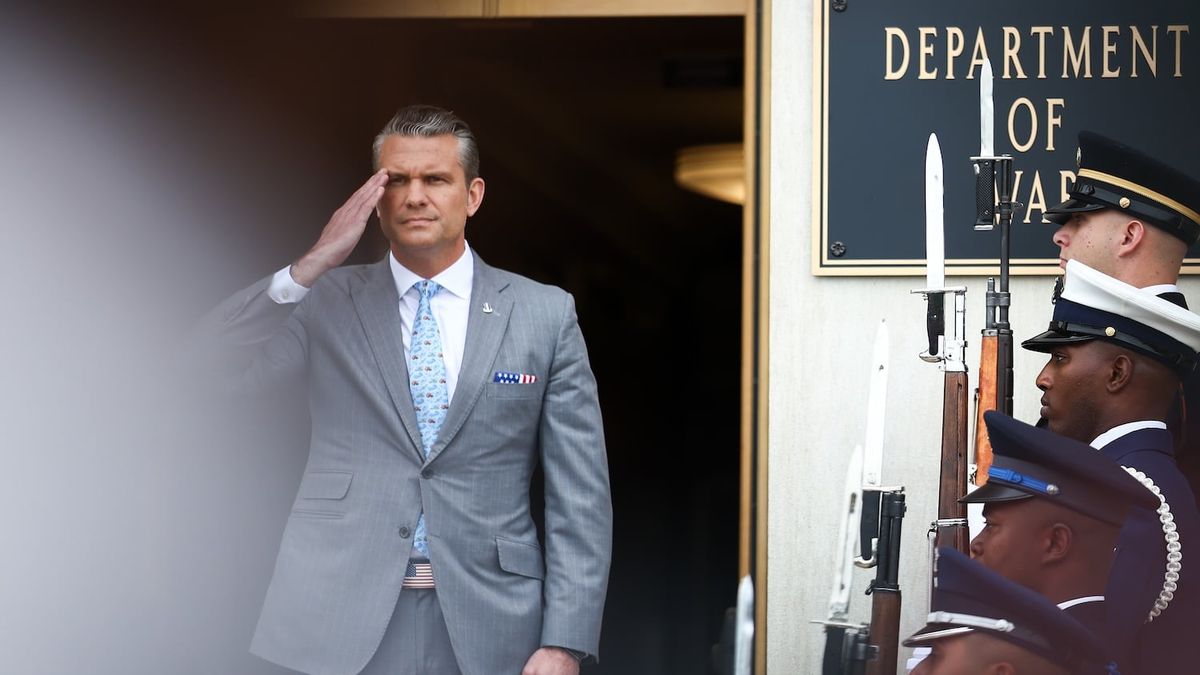
On November 9, 2026, Rep. Thomas Massie filed eight articles of impeachment against Defense Secretary Pete Hegseth, alleging an illegal war against Iran, extrajudicial strikes, and a series of constitutional violations. The House could vote as early as the following week, potentially making Hegseth the first civilian defense leader to face impeachment in 150 years. The charges also cite a pattern of dismissing senior officers, blocking congressional oversight, and using the Pentagon as a partisan platform.
The U.S. defense establishment sits at the intersection of two massive power structures: the executive branch, which commands the armed forces, and Congress, which controls the purse strings and the constitutional authority to declare war. Hegseth’s tenure amplified the tension between these bodies. By refusing to release congressionally appropriated aid to Ukraine, he forced the legislative branch into a budgeting standoff that threatened the credibility of U.S. commitments abroad.
Hegseth’s rise was tied to former President Donald Trump, whose endorsement framed the secretary as a loyalist willing to bypass traditional bureaucratic norms. The patron‑client relationship allowed Hegseth to install politically aligned civilians into senior roles, sidelining career officers who had risen through the ranks. This reshuffling created a self‑reinforcing loop: loyalty to the president secured political protection, which in turn enabled further politicization of the department.
The most serious impeachment count accuses Hegseth of launching an “unlawful” war against Iran without a congressional war‑powers resolution. The Constitution grants Congress the power to declare war, yet modern presidents have often used authorizations for limited engagements. Hegseth’s decision to order extended deployments and naval strikes without a formal vote pushes the precedent toward unilateral executive action, eroding the legislative check that was designed to prevent endless conflicts.
Allies watch U.S. war‑making closely. By structuring the defense budget around an anticipated partisan reconciliation bill that never materialized, Hegseth left the Pentagon with persistent munitions shortfalls. NATO partners, already wary of American reliability after the 2022‑2024 Ukraine war, now question whether the United States can sustain a credible deterrent when internal politics dictate procurement.
The Pentagon’s internal turmoil has translated into tangible risks for enlisted personnel. A 2025 Defense Department survey showed that 53 percent of active‑duty members consider leaving early, citing politicization and uncertainty about future deployments. Extended tours in the Persian Gulf, mandated by Hegseth’s Iran strategy, increase exposure to combat fatigue, mental‑health disorders, and family strain.
Military families in states like Virginia, Texas, and California face heightened economic insecurity. Early separations disrupt school continuity for children, while the loss of senior officers—many of whom served as mentors—creates a leadership vacuum that hampers unit cohesion. Local economies that depend on base payrolls experience a ripple effect: reduced spending, lower housing demand, and shrinking small‑business revenues.
By refusing to release funds for Ukrainian aid and delaying supplemental war‑budget bills, Hegseth forced contractors to scale back production lines. Companies in Alabama and Michigan reported layoffs of thousands of skilled workers, eroding the industrial base that underpins U.S. military superiority. The knock‑on effect reaches suppliers in the Midwest, where job losses translate into higher unemployment rates and reduced tax revenues for public services.
Official statements from the Department of Defense emphasize “continuity of operations” and “respect for democratic institutions.” What is omitted is the systematic erosion of institutional memory: more than two dozen senior officers, confirmed by the Senate, were dismissed without clear justification. Their departures removed decades of combat‑tested expertise, a loss that cannot be quantified in budget spreadsheets.
Lawmakers on both sides of the aisle have historically treated the war‑powers question as a procedural footnote. The impeachment articles expose a deeper reality: the executive branch is normalizing the practice of initiating hostilities without explicit congressional approval. By framing the Iran operation as a “counter‑terrorism” mission, the administration sidesteps the constitutional debate, leaving the public unaware of how the balance of power is shifting.
Mainstream coverage often portrays the impeachment as a political theater between Trump‑aligned Republicans and Democratic leaders. This narrative downplays the substantive policy failures—failed budget negotiations, deteriorating readiness, and the moral hazard of using the military for partisan rallies. The focus on “television drama” obscures the long‑term strategic costs that will be borne by ordinary Americans.
- House vote timeline – A swift impeachment vote could set a precedent for future civilian‑military confrontations. Watch for any procedural delays that signal behind‑the‑scenes negotiations.
- Congressional funding battles – The next defense supplemental bill will reveal whether lawmakers can reassert fiscal control or will continue to be sidelined by executive budgeting tactics.
- Military morale indicators – Quarterly retention reports and mental‑health statistics will show whether the Pentagon can stabilize its force after the leadership upheaval.
- Allied responses – NATO and regional partners will issue statements on the legality of U.S. actions in the Persian Gulf. Their tone will indicate whether confidence in American security guarantees is eroding.
- Legal challenges – Any court rulings on the constitutionality of Hegseth’s orders could reshape the war‑powers doctrine for decades to come.
The impeachment of Pete Hegseth is more than a headline; it is a litmus test for how the United States balances civilian control, congressional authority, and the human lives that sit at the intersection of policy and war.
He is accused of launching an unlawful war against Iran, dismissing senior officers, blocking congressional oversight, and using the Pentagon for partisan purposes.
The removal of experienced leaders, budget shortfalls, and extended deployments have already lowered morale and retention, threatening the armed forces' ability to respond effectively.
Editor's Note: Analysis based on publicly available reports and expert commentary; ongoing developments may shift specifics.
Source referenced: FOREIGNPOLICY
This brief was synthesized by our Editorial Engine and reviewed by The Ground Narrative team.