TRENDING

Saturday, 17 October 2026
----------------------
6 Jumada Al-Awwal 1448 AH
Pakistan's army chief, Field Marshal Asim Munir, is in Iran as part of ongoing mediation efforts to end the US-Israel war. Munir's visit marks the second time he has traveled to Tehran, following Islamabad's efforts to secure a temporary ceasefire between the warring sides.
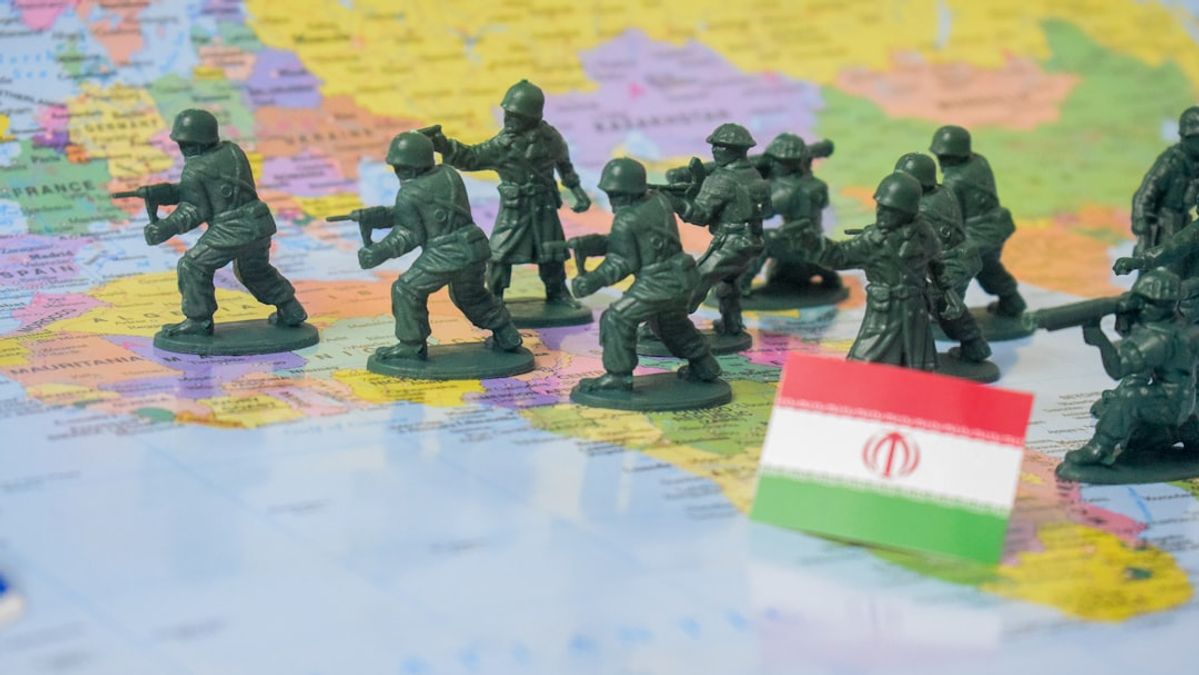
Pakistan's army chief, Field Marshal Asim Munir, has arrived in Iran as part of ongoing mediation efforts to end the US-Israel war. Munir's visit marks the second time he has traveled to Tehran, following Islamabad's efforts to secure a temporary ceasefire between the warring sides on April 8. This development has sparked hopes that a breakthrough in negotiations may be imminent.
The current situation is complex, with the US and Iran still far apart on key issues. Iranian state media quoted Foreign Ministry spokesperson Esmaeil Baghaei as saying that the gaps between Tehran and Washington are 'deep and significant.' However, Baghaei also noted that the focus of the negotiations is on ending the war, with details related to the nuclear issue not being discussed at this stage.
The US has been threatening to strike Iran if a deal is not reached, with President Donald Trump stating that 'Iran is dying to make a deal.' However, Trump has also been known to shift his stance on the issue, with some analysts suggesting that he may be using the war as a bargaining chip to secure concessions from Iran.
The ongoing war in the Middle East has significant regional implications, with the closure of the Strait of Hormuz sending ripples through the global economy. The EU has moved to impose sanctions on Iranian officials and others responsible for blocking the shipping lane, with Brussels deeming the blockade 'contrary to international law.'
The war has also had a profound impact on the global energy market, with energy prices soaring in recent weeks. The US has been working to secure alternative routes for oil and gas supplies, with some analysts suggesting that the war may ultimately lead to a shift in the global energy landscape.
Pakistan's role in the mediation efforts is significant, with Islamabad having helped secure a temporary ceasefire between the US and Iran. The country's army chief, Field Marshal Asim Munir, has been instrumental in facilitating talks between the two sides, with Munir's visit to Tehran marking the second time he has traveled to the country as part of the mediation efforts.
The current situation in the Middle East is complex and fluid, with the US and Iran still far apart on key issues. However, the visit of Pakistan's army chief to Iran marks a significant development in the mediation efforts, with hopes that a breakthrough in negotiations may be imminent. The regional implications and future consequences of the war are significant, with the global energy market and regional stability hanging in the balance.
Editor's Note: The analysis is based on publicly available information and may be subject to change as new developments emerge.
Source referenced: ALJAZEERA
This brief was synthesized by our Editorial Engine and reviewed by The Ground Narrative team.