TRENDING

Sunday, 4 October 2026
----------------------
23 Rabi' Al-Thani 1448 AH
Oregon's primary elections on May 18, 2026, will determine the nominees for the state's governor, US Senate, and House of Representatives, with significant implications for the 2026 midterm elections.
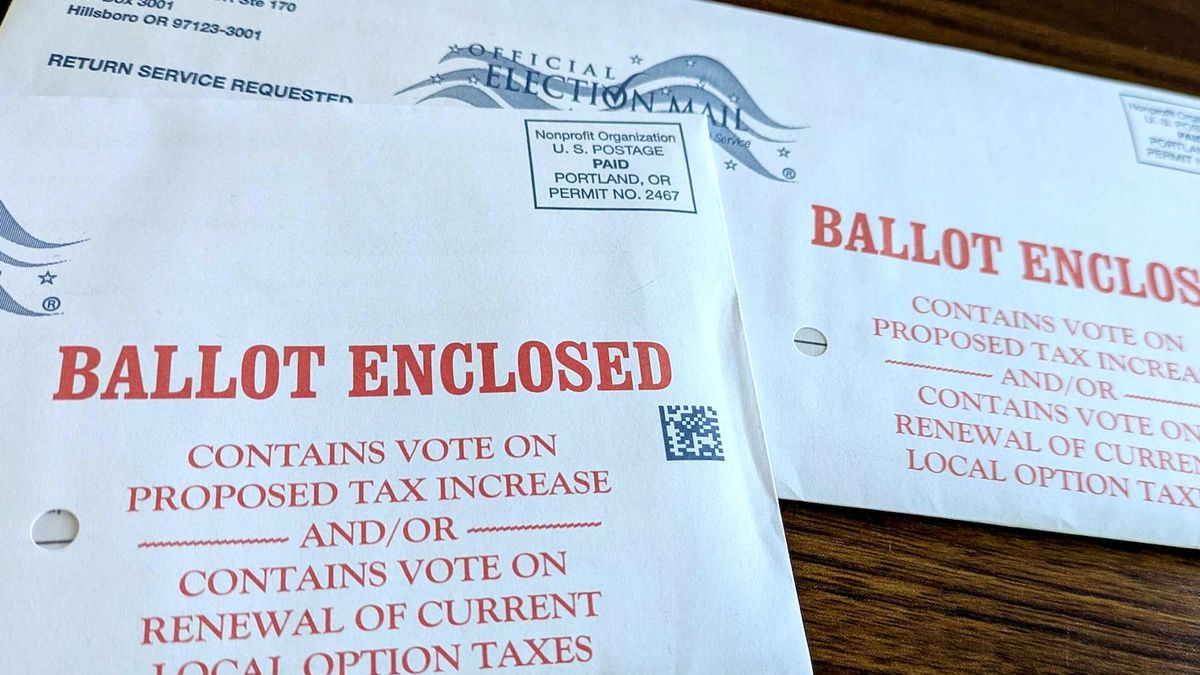
Oregon's primary elections on May 18, 2026, will determine the nominees for the state's governor, US Senate, and House of Representatives, with significant implications for the 2026 midterm elections. The state's left-wing bent and closed primary system make the winners of the statewide Democratic primaries likely frontrunners in November's midterm races.
Incumbent Governor Tina Kotek is seeking re-election, but faces competition from nine Democrats and a crowded field of Republican contenders. State Senator Christine Drazan, who ran against Kotek in 2022, is leading the Republican nomination polls with 35% support. The governor's race is significant, as it will determine the direction of Oregon's politics and potentially set a precedent for other states.
US Senator Jeff Merkley, a 69-year-old Democrat, is running for a fourth consecutive six-year term. His seat is considered relatively safe, with eight rivals on the campaign trail. Merkley's expected victory in the Democratic primary will make him the frontrunner for November's general election.
All six of Oregon's members of the US House of Representatives are running for re-election and will face the primary process on Tuesday. Five are Democrats, while one, Cliff Bentz, is a Republican representing Oregon's second congressional district. The election will also determine a nonpartisan commissioner to lead the state Bureau of Labor and Industries.
Voters will also have a chance to vote on a referendum that could repeal the gas tax increase. Democrats in the state legislature raised Oregon's gas tax to pay for roads and supplement the state's transportation budget. However, as the US-Israel war on Iran causes gas prices to skyrocket, Republicans have used the referendum to appeal to voters on the cost of living.
Oregon's primary elections will have significant implications for the 2026 midterm elections. The state's left-wing bent and closed primary system make the winners of the statewide Democratic primaries likely frontrunners in November's midterm races. Additionally, the election will determine the direction of Oregon's politics and potentially set a precedent for other states.
The outcome of the primary elections will have far-reaching consequences for Oregon's politics and the 2026 midterm elections. The winners of the statewide Democratic primaries will likely emerge as frontrunners in November's midterm races, while the Republican contenders will face an uphill battle in a state with a strong left-wing bent. The referendum on the gas tax increase will also test Oregon's politics and potentially set a precedent for other states.
Oregon's primary elections on May 18, 2026, will determine the nominees for the state's governor, US Senate, and House of Representatives, with significant implications for the 2026 midterm elections. The state's left-wing bent and closed primary system make the winners of the statewide Democratic primaries likely frontrunners in November's midterm races. The outcome of the primary elections will have far-reaching consequences for Oregon's politics and the 2026 midterm elections.
Editor's Note: The outcome of the primary elections will have far-reaching consequences for Oregon's politics and the 2026 midterm elections.
Source referenced: ALJAZEERA
This brief was synthesized by our Editorial Engine and reviewed by The Ground Narrative team.