TRENDING

Monday, 26 October 2026
----------------------
15 Jumada Al-Awwal 1448 AH
Oman has presented Iran with a Gulf-backed proposal for managing the Strait of Hormuz, including voluntary service fees, aiming to de-escalate the ongoing US-Israeli conflict with Tehran and restore critical global trade flows. The initiative seeks a compromise between Iran's desire for oversight and international demands for free passage.
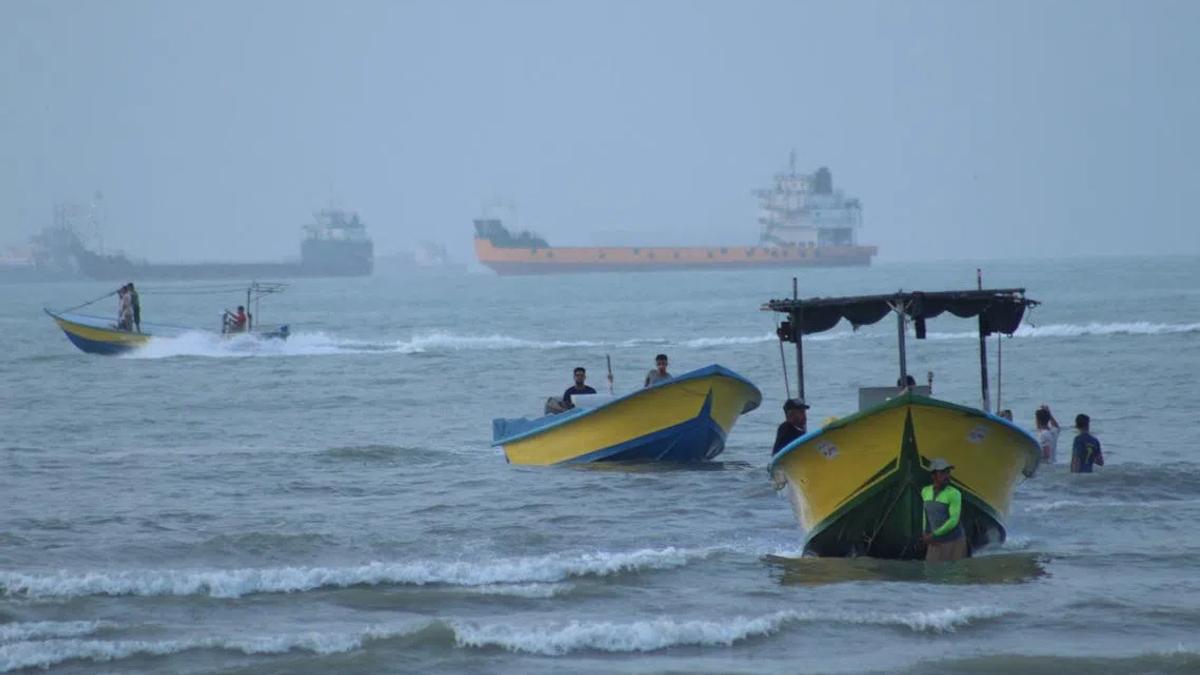
In a significant diplomatic maneuver, Oman, with the backing of several Gulf states, has presented Iran with a comprehensive plan to manage the Strait of Hormuz. This proposal, revealed on July 28, 2026, aims to end the severe disruption to global trade caused by the protracted US-Israeli conflict with Iran. Central to the plan is the concept of collecting voluntary service fees from ships transiting the strait, a compromise designed to bridge the divergent demands of the involved parties.
The Strait of Hormuz, a narrow waterway separating the Persian Gulf from the Gulf of Oman, is a vital artery for global energy markets, through which approximately one-fifth of the world's oil and liquefied natural gas (LNG) flowed prior to the conflict. Its effective closure by Iran following US-Israeli attacks on February 28 has had profound economic repercussions, leading to significant volatility in global oil prices. The Omani initiative seeks to restore stability and ensure the unimpeded flow of international commerce through this strategic chokepoint.
The Omani plan addresses a key point of contention: Iran's stated desire to manage the strait alongside Oman, which controls the opposite shore, and to charge fees for its use. Washington, conversely, insists on a return to the pre-war status quo of free passage without payments, deeming mandatory fees illegal. The Omani proposal offers a middle ground, suggesting that Iran would not exercise sole control, and any fees collected would be voluntary. This system is envisioned to be analogous to the arrangement in Asia's Strait of Malacca, where Indonesia, Malaysia, and Singapore request voluntary contributions from ships to fund essential services such as navigation, environmental protection, and search-and-rescue operations. This model aims to provide Iran with a legitimate mechanism for revenue generation and a role in the strait's management, while avoiding the imposition of mandatory tolls that the US and other international actors oppose.
Omani officials met with Iranian counterparts in Tehran over the weekend preceding the announcement, and Iran's Foreign Minister Abbas Araqchi discussed the Strait of Hormuz with his Omani and Saudi counterparts on July 27, emphasizing the need for regional cooperation. As of July 27, Iran had not yet formally responded to the proposal, indicating ongoing internal deliberations and potentially further negotiations.
The diplomatic push comes amidst a highly volatile security landscape. US President Donald Trump had abruptly called off a two-week bombing campaign against Iran over the weekend, citing advice from military commanders that the strategy had run its course. This renewed campaign, launched earlier in July, aimed to break Iran's grip on the strait and had resulted in scores of casualties in Iran, along with the destruction of infrastructure. Iran had retaliated with attacks on US bases in neighboring countries and civil infrastructure in Gulf states, claiming these were responses to US strikes on civilian targets. While Iran has stated it would hold fire as long as Washington does, reports of drone attacks in Jordan, Saudi Arabia, and northern Iran on July 27 and 28 underscore the fragility of the current de-escalation.
President Trump, while expressing optimism for a deal to end the five-month conflict, simultaneously issued a stern warning that US strikes would resume if negotiations failed to deliver. This conditional approach highlights the precarious balance between diplomatic engagement and military coercion. Iran, for its part, denies seeking new negotiations with the US, accusing Washington of violating a June agreement on a framework for talks. That agreement, intended to resolve major issues like Iran's nuclear program by the end of August, has been mired in disputes over the interpretation of language regarding the Strait of Hormuz, with the US insisting on free travel and Iran asserting its authority to supervise transit.
Adding another layer of complexity are the strained relations between President Trump and Israeli Prime Minister Benjamin Netanyahu. Despite Israel's initial involvement in the bombing campaign, it has been excluded from subsequent peace talks, and Trump has reportedly had to rein in Netanyahu from attacking targets in Lebanon, actions that could further complicate peace efforts with Tehran. The cessation of US bombing had an immediate economic impact, with oil prices tumbling by approximately 8 percent on July 27 and continuing to fall on July 28, reflecting the market's sensitivity to regional stability.
The Omani-led proposal represents a critical regional effort to find a pragmatic solution to a conflict with global implications. By offering a mechanism for Iran to assert a degree of control and generate revenue through voluntary means, it attempts to address Iran's sovereignty concerns while upholding the principle of freedom of navigation. However, the success of this initiative hinges on Iran's acceptance, the willingness of the US to endorse a system that deviates from its preferred status quo, and the ability of all parties to overcome deep-seated mistrust and conflicting interpretations of previous agreements. The ongoing drone activity and President Trump's explicit threats of renewed military action underscore the narrow window for diplomacy and the high stakes involved for regional stability and global energy security.
Source referenced: STRAITSTIMES
This brief was synthesized by our Editorial Engine and reviewed by The Ground Narrative team.