TRENDING

Wednesday, 7 October 2026
----------------------
26 Rabi' Al-Thani 1448 AH
An Omani air rescue saved ten crew members after a Panamanian‑flagged tanker was hit in the Strait of Hormuz. The incident underscores how regional rivalries are turning commercial shipping into a battlefield for distant powers.
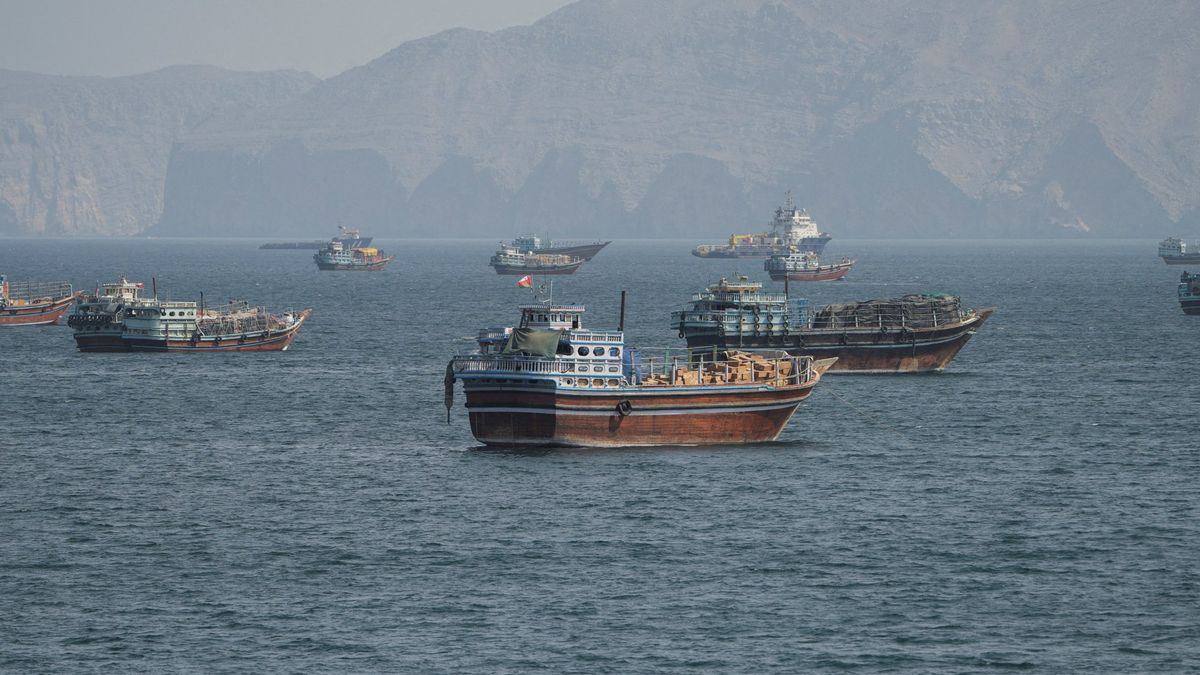
On 7 October 2026, a Panamanian‑flagged oil tanker named On Peace was struck by an unidentified projectile 9 nautical miles off the Omani port of Limah in the Strait of Hormuz. The impact ignited a fire, injuring at least twelve of the nineteen crew members, most of whom are Indian nationals. Oman's air force flew the ten most seriously wounded to Khasab Hospital in Musandam, where they received emergency treatment. No group has claimed responsibility, but the attack follows a spate of similar incidents since the United States‑Israel war on Iran began in February 2026.
The Strait of Hormuz is a chokepoint through which roughly a fifth of the world’s oil passes. Control over its safety translates directly into leverage over global energy markets. Since the February 2026 escalation, Iran has intermittently closed the waterway, using the threat of disruption to pressure both regional rivals and distant adversaries.
- Economic leverage: By threatening to charge tolls or block traffic, Tehran seeks revenue to fund its war effort and to signal that it can punish nations that support the US‑Israel coalition.
- Military signaling: Unclaimed attacks allow Iran to maintain plausible deniability while demonstrating that it can reach commercial vessels that ignore its prescribed routes.
- Alliance calculus: The United States has doubled its naval presence in the Gulf, but each engagement risks escalation with Iran’s proxy forces. For India, a major supplier of merchant mariners, protecting its citizens abroad becomes a diplomatic priority that can strain its balancing act between the US and Tehran.
- Energy market dynamics: Despite the attacks, Middle‑East crude exports have rebounded to pre‑war levels, showing the resilience of the supply chain. Yet each incident spikes Brent crude, feeding higher consumer prices and reinforcing the perception that the conflict is a lever for market manipulation.
These forces intersect: Iran’s willingness to target tankers raises insurance premiums, which in turn raises shipping costs for oil‑importing nations, many of which are allies of the United States. The United States, in turn, justifies a heightened naval footprint as a protective measure for global commerce, further entangling its forces in a region where it has long‑standing strategic interests.
The immediate victims are the ten crew members flown to Musandam for treatment and the two who remain on the vessel. Most are Indian nationals, a demographic that supplies roughly 15 percent of the world’s merchant fleet. Their families, many living in coastal towns such as Visakhapatnam and Chennai, face medical bills, loss of income, and the psychological trauma of a colleague’s death—four Indian sailors have already been killed in similar attacks since February.
Musandam’s hospitals, already stretched by routine demand, now must allocate intensive‑care beds to foreign patients. The influx of emergency responders and media crews also disrupts daily life for residents who rely on tourism and fishing. While the Omani government presents the rescue as a humanitarian success, the cost of maintaining readiness for such incidents falls on a small tax base.
Higher Brent prices translate into higher gasoline and diesel costs for commuters worldwide. In low‑income neighborhoods, a $5‑per‑gallon increase can push households into energy poverty, forcing them to cut back on essentials like food and medicine.
Repeated attacks depress the willingness of sailors to take routes through the Gulf, prompting shipping firms to reroute vessels around the Cape of Good Hope. Longer voyages increase fuel consumption, carbon emissions, and freight rates, affecting manufacturers and consumers far beyond the Middle East.
Official statements from Iran emphasize its right to charge tolls for passage, framing the attacks as lawful enforcement. Western ministries, meanwhile, label the incidents as “piracy” or “terrorism,” sidestepping the underlying economic grievance that Tehran is leveraging. Both narratives downplay the fact that the attacks are part of a broader strategy to extract concessions from oil‑importing nations.
Marine insurers have quietly raised premiums for Gulf transits, but the exact figures are rarely disclosed to the public. Shipping companies absorb these costs, which are ultimately passed on to end‑users. The financial strain on smaller operators, especially those from developing nations, is rarely highlighted in mainstream coverage.
In response to the heightened threat, several shipping lines have hired private security firms to escort vessels. These contractors operate under limited oversight, and incidents involving them rarely make headlines, masking a growing militarization of commercial shipping.
A tanker fire in a narrow strait poses a severe spill risk. While the On Peace fire was contained, the potential for a catastrophic oil release—affecting marine ecosystems and coastal fisheries—remains an under‑reported danger.
- Iran’s diplomatic signaling: Watch for any official decree from Tehran about formal tolls or a declared “safe corridor” that could institutionalize the threat of violence.
- US naval deployments: Increases in carrier strike group presence or the announcement of new rules of engagement in the Gulf would indicate an escalation in the power play.
- Indian policy shifts: Any move by New Delhi to negotiate a separate maritime security arrangement with Gulf states, or to pressure the United States for greater protection of its seafarers, will reshape regional dynamics.
- Insurance premium trends: Quarterly reports from marine insurers will reveal whether the market is pricing in a permanent risk premium for Gulf transits.
- Environmental monitoring: Satellite and aerial surveillance for oil slicks in the Strait will indicate whether a future incident escalates beyond a fire.
Stakeholders—from oil traders on the floor of Dubai’s commodity exchanges to families waiting in Musandam hospitals—should track these signals. The interplay of economic leverage, military posturing, and human vulnerability will determine whether the Strait remains a conduit of commerce or a flashpoint of conflict.
No group has claimed responsibility, but the incident fits a pattern of attacks linked to Iran’s strategy of pressuring shipping lanes since the US‑Israel war began in February 2026.
Each disruption raises risk premiums for insurers and traders, pushing Brent crude higher; even brief incidents can add several dollars per barrel to global prices.
Source referenced: ALJAZEERA
This brief was synthesized by our Editorial Engine and reviewed by The Ground Narrative team.