TRENDING

Friday, 16 October 2026
----------------------
5 Jumada Al-Awwal 1448 AH
The collapse of the united front between the US, China, and Russia has gifted North Korea its greatest strategic asset: a fractured world where great-power rivalry has eroded the effectiveness of sanctions.
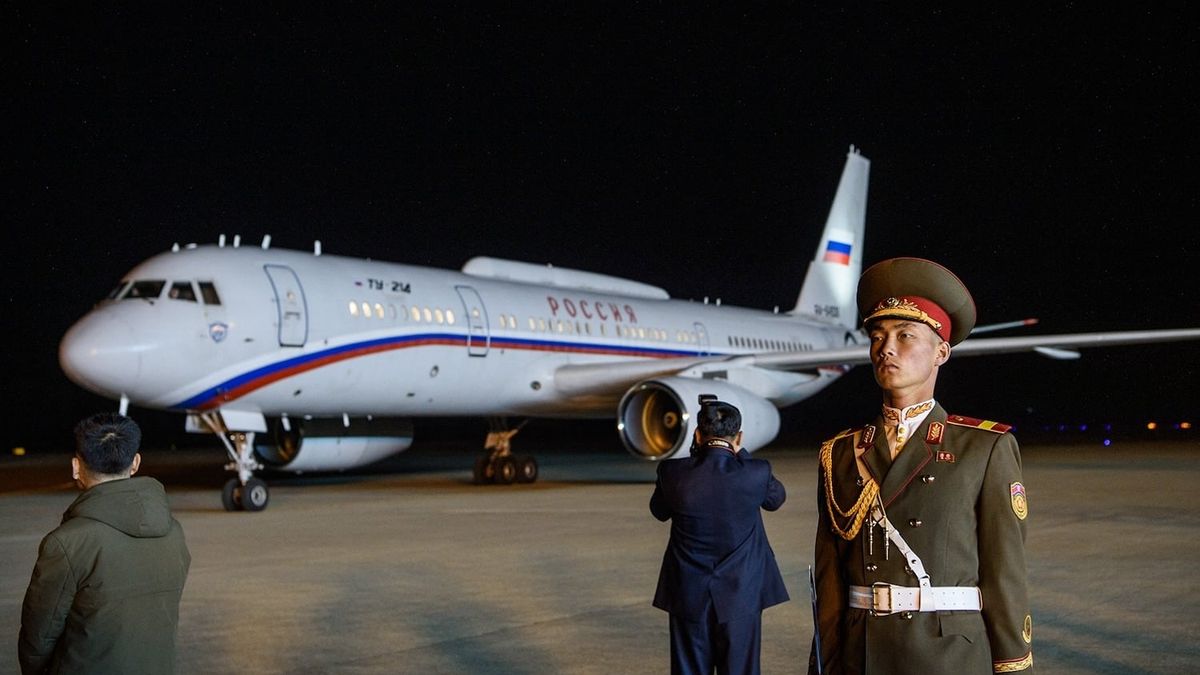
The collapse of the united front between the US, China, and Russia has gifted North Korea its greatest strategic asset: a fractured world where great-power rivalry has eroded the effectiveness of sanctions. This reality forces a tough reckoning for Washington and its allies, as relying on economic isolation alone to compel North Korea's denuclearization is no longer a viable strategy.
For years, the US-led international campaign to isolate North Korea depended on a united front between the US, China, and Russia. From the Obama administration's targeted sanctions to the Trump administration's "maximum pressure" campaign, US policymakers have long assumed that comprehensive isolation could raise the costs of nuclear development enough to change Pyongyang's strategic calculus. However, this consensus has collapsed, and instead of facing a coordinated international front, North Korea has been gifted a diplomatic free pass to expand its nuclear and missile programs without consequence.
North Korea's ability to find an economic lifeline and gain a diplomatic free pass is largely due to the shift in strategic priorities of China and Russia. For Russia, the imperative of nonproliferation has been overshadowed by the demands of its war in Ukraine, which has transformed its relationship with North Korea into a strategic alliance. In return for North Korean ammunition, missiles, and manpower, Russia has abandoned the sanctions framework it once supported and resumed direct shipments of refined petroleum that far exceed the annual cap.
China's permissive enforcement and continued trade with North Korea allow the regime to absorb sanctions and sustain its long-term stability. Although Beijing remains uncomfortable with Pyongyang's growing dependence on Moscow, preserving North Korea as a strategic buffer against US influence remains a higher priority. To Beijing, a stable North Korea-even a troublesome one-is far preferable to a collapsed state or a unified Korea under Seoul, as either scenario would likely bring the US-South Korean military alliance and US troops directly to China's doorstep.
The collapse of the united front between the US, China, and Russia has created a new reality for North Korea, where great-power rivalry has eroded the effectiveness of sanctions. This reality forces a tough reckoning for Washington and its allies, as relying on economic isolation alone to compel North Korea's denuclearization is no longer a viable strategy. The Kim regime has monetized the geopolitical divide, revitalizing its heavy industry and transforming its sanctioned defense sector into a lucrative export engine. As the situation continues to unfold, it is essential to understand the strategic implications and future consequences of this new reality.
Editor's Note: The analysis is based on publicly available information and may not reflect the full complexity of the situation.
Source referenced: FOREIGNPOLICY
This brief was synthesized by our Editorial Engine and reviewed by The Ground Narrative team.