TRENDING

Tuesday, 6 October 2026
----------------------
25 Rabi' Al-Thani 1448 AH
A recent migrant surge into Spain has highlighted the deep-seated rivalry between Algeria and Morocco, revealing how a decades-old territorial dispute over Western Sahara continues to shape regional power dynamics and impact vulnerable populations.
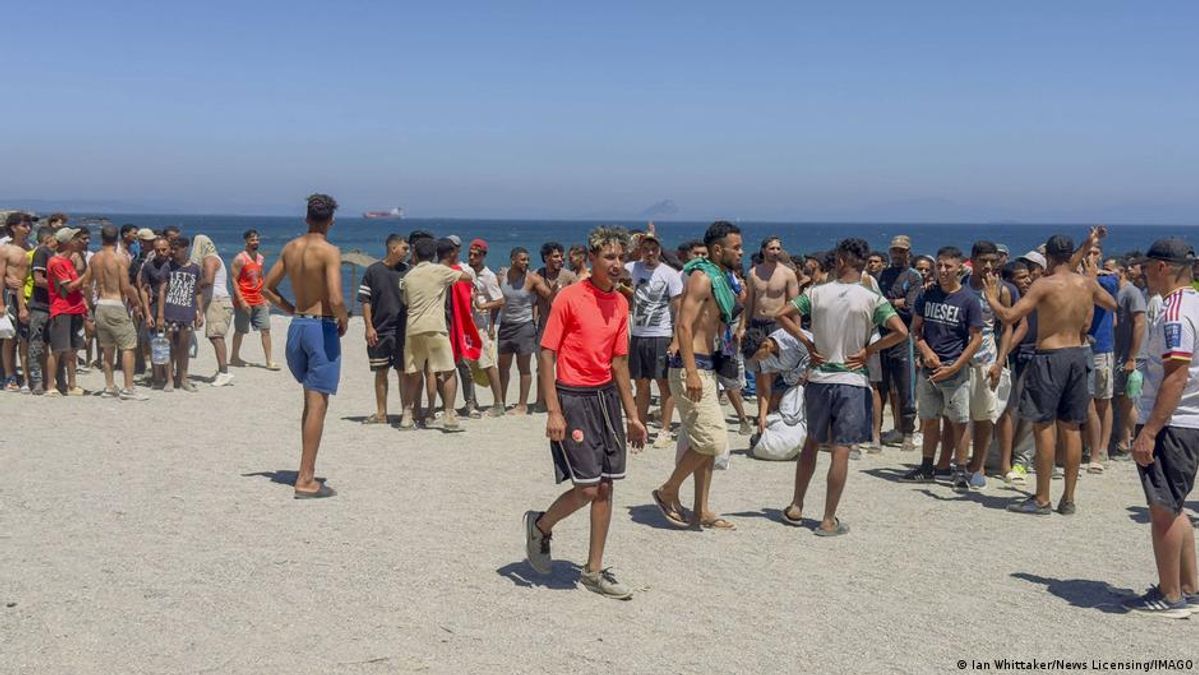
A recent visit by Spanish Prime Minister Pedro Sanchez to Algeria aimed to mend diplomatic ties strained since Spain shifted its stance on the disputed Western Sahara territory in 2022, aligning more closely with Morocco. This diplomatic overture coincided with a sudden surge of tens of thousands of migrants crossing from Morocco into the Spanish enclave of Ceuta, sparking debate over whether Morocco deliberately eased border controls as a retaliatory signal. The incident brought into sharp focus the deep-seated rivalry between Algeria and Morocco, a competition for regional influence that has simmered for decades, primarily over the unresolved status of Western Sahara.
At the core of this enduring rivalry lies the Western Sahara conflict, a legacy of decolonization. Morocco asserts historical claims over the territory, viewing its integration as a matter of national integrity, and proposes a semi-autonomous province under its sovereignty. Algeria, conversely, champions the Sahrawi people's right to self-determination, backing the Polisario Front, an anti-colonial stance rooted in its own history. This fundamental disagreement has evolved into a zero-sum struggle for regional hegemony in the Maghreb, where compromise is seen as a loss of face and influence.
External actors have further complicated this dynamic. Spain's shifting position reflects its own pragmatic calculations, balancing energy security interests with Algeria against migration control and counter-terrorism cooperation with Morocco. More significantly, Morocco's 2020 normalization of relations with Israel, which included Israel's recognition of Moroccan claims to Western Sahara, introduced a new dimension. Algeria perceives deepening Israeli-Moroccan military and intelligence cooperation as a direct threat to its security, intensifying a classic security dilemma where each nation's defensive actions are viewed as aggressive by the other, fueling an arms buildup and deepening mistrust. Both states are also leveraging their strategic importance to the European Union – Morocco as a partner in migration and counter-terrorism, Algeria as a crucial energy supplier – turning the EU into another arena for their competitive diplomacy.
The most profound human cost of this geopolitical stalemate is borne by the Sahrawi people. Decades after Spain's withdrawal, their promised referendum on self-determination remains unheld, leaving generations in limbo, many living in refugee camps like Boujdour in Algeria. Their aspirations for self-governance are collateral damage in a regional power struggle, their future dictated by external powers and entrenched rivalries.
Beyond the Sahrawi, the recent Ceuta incident starkly illustrates how vulnerable populations, particularly migrants, become unwitting pawns in high-stakes diplomatic maneuvers. When borders become fluid at the discretion of states, individuals seeking safety or opportunity are reduced to bargaining chips, their lives and dignity secondary to political messaging. The broader region also pays a heavy price. The paralysis of institutions like the Arab Maghreb Union, a direct consequence of the Algeria-Morocco rivalry, has stifled economic integration and regional cooperation for decades. This lack of cohesion diminishes the collective economic momentum and international standing of North Africa, translating into lost opportunities for development, investment, and improved living standards for ordinary citizens across the Maghreb. Resources that could address pressing social needs are instead diverted to military buildups, perpetuating a cycle of insecurity.
While governments offer diplomatic explanations or outright denials, several critical aspects remain unaddressed. The explicit denial by Morocco regarding the deliberate easing of border controls in Ceuta, for instance, sidesteps the uncomfortable reality that vulnerable populations are routinely instrumentalized in international relations. This tactic, where human lives become leverage, is a common but rarely admitted feature of statecraft.
Similarly, Spain's strategic pivot on Western Sahara, while framed as a step towards regional stability, was a calculated move to secure its own interests, likely prioritizing energy supply and migration management over the principle of self-determination. The deeper implications of Israel's growing military and intelligence ties with Morocco, beyond mere diplomatic normalization, are also downplayed. For Algeria, this represents a significant shift in the regional balance of power, not just a symbolic gesture. The European Union, too, benefits from this competitive dynamic, extracting concessions from both Algeria and Morocco in exchange for strategic partnerships, without applying meaningful pressure for a just resolution to the underlying conflict or adequately addressing the human rights implications of using migrants as leverage. The focus remains on state interests, with the human element often relegated to the realm of humanitarian concern rather than a core political issue.
Readers should watch for several key developments. The extent of military and intelligence cooperation between Morocco and Israel will be crucial, potentially signaling a more permanent shift in the regional security architecture. Any movement on the long-stalled UN referendum for Western Sahara, however unlikely, would represent a significant diplomatic breakthrough. The ongoing competition between Algeria and Morocco for influence within the EU will continue, shaping European foreign policy towards North Africa and potentially exacerbating existing tensions. Furthermore, the internal stability of both regimes, often tied to their stance on Western Sahara, will bear watching, as domestic pressures could either soften or harden their positions. Finally, observe how the issue of migration continues to be weaponized or managed, as it remains a potent tool in the complex geopolitical chessboard of the Maghreb.
Source referenced: DW
This brief was synthesized by our Editorial Engine and reviewed by The Ground Narrative team.