TRENDING

Monday, 26 October 2026
----------------------
15 Jumada Al-Awwal 1448 AH
Nigerian President Bola Tinubu has approved the recruitment of 28,000 military personnel to strengthen national security, a move aimed at countering multiple security threats in the country's northern regions.
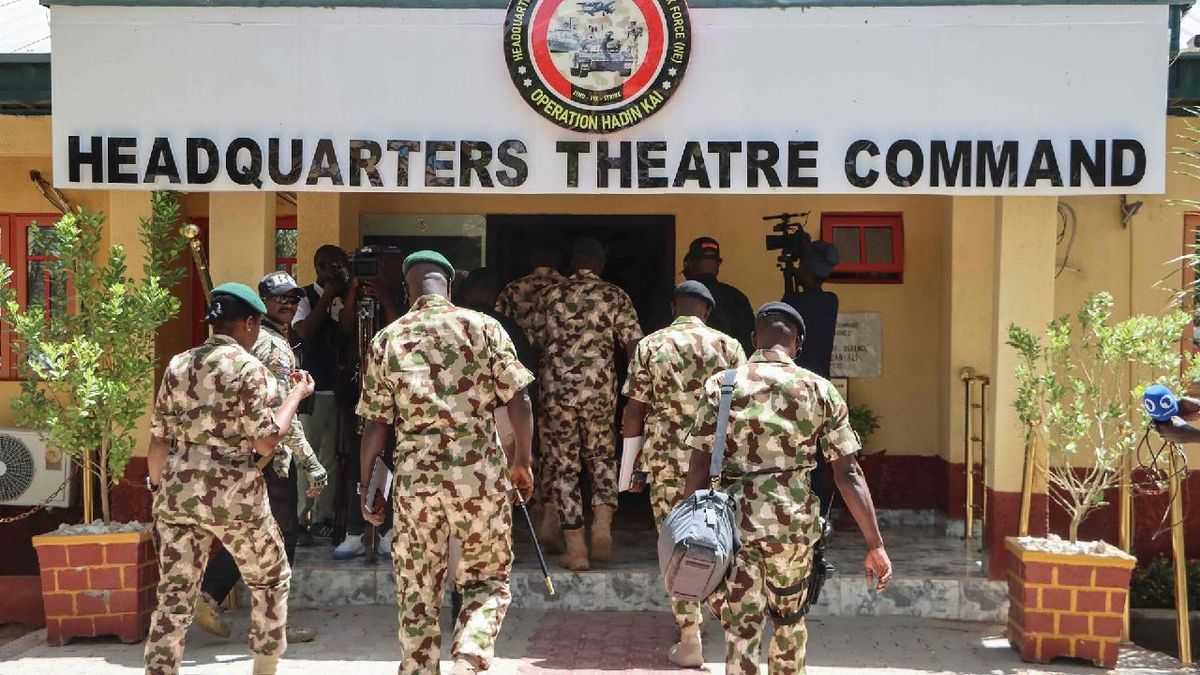
Nigerian President Bola Tinubu has announced the approval of a landmark plan to recruit 28,000 new military personnel, a move aimed at bolstering national security in the face of multiple threats. The decision, announced by presidential spokesman Bayo Onanuga, is a strategic response to the country's ongoing struggles with insurgency, militant attacks, and armed criminal gangs.
Nigeria has long grappled with security challenges, particularly in its northern regions. The country's long-running insurgency, which has claimed thousands of lives, has been exacerbated by the rise of Sahel-based militants and armed criminal gangs, known locally as bandits. In response, President Tinubu declared a nationwide security emergency last November, following a surge in kidnappings and violence.
The recruitment of 28,000 new troops is a significant step towards enhancing Nigeria's security architecture. The move is likely aimed at addressing the country's manpower shortages, which have hindered its ability to effectively counter security threats. By increasing the size of its military, Nigeria can better respond to emerging threats and maintain a more robust presence in its northern regions.
The implications of Nigeria's military expansion are far-reaching, with potential consequences for regional stability. The country's neighbors, including Chad, Niger, and Cameroon, may view Nigeria's increased military presence as a positive development, as it could help to contain the spread of insecurity in the region. However, the move may also be seen as a challenge to regional powers, such as France and the United States, which have historically played a significant role in shaping regional security dynamics.
The long-term consequences of Nigeria's military expansion are uncertain, but several outcomes are possible. A more robust Nigerian military could lead to improved security outcomes, including a reduction in insurgent activity and a decrease in the number of kidnappings and violent attacks. However, the move may also be seen as a provocation by regional powers, potentially leading to increased tensions and a more complex security landscape.
Nigeria's decision to recruit 28,000 new military personnel is a strategic response to the country's ongoing security challenges. While the move has the potential to improve security outcomes, its implications for regional stability and the country's relationships with international powers remain uncertain. As Nigeria continues to navigate its complex security environment, it is essential to monitor the situation closely and assess the impact of this significant development on regional dynamics.
Editor's Note: The analysis is based on publicly available information and may not reflect the full range of strategic motivations and implications associated with Nigeria's military expansion.
Source referenced: CGTN
This brief was synthesized by our Editorial Engine and reviewed by The Ground Narrative team.