TRENDING

Friday, 16 October 2026
----------------------
5 Jumada Al-Awwal 1448 AH
Despite appearances, Nigerian President Bola Tinubu is quietly constructing a diplomatic dossier that puts Nigeria on the path to rediscovering its old identity as a diplomatic powerhouse.
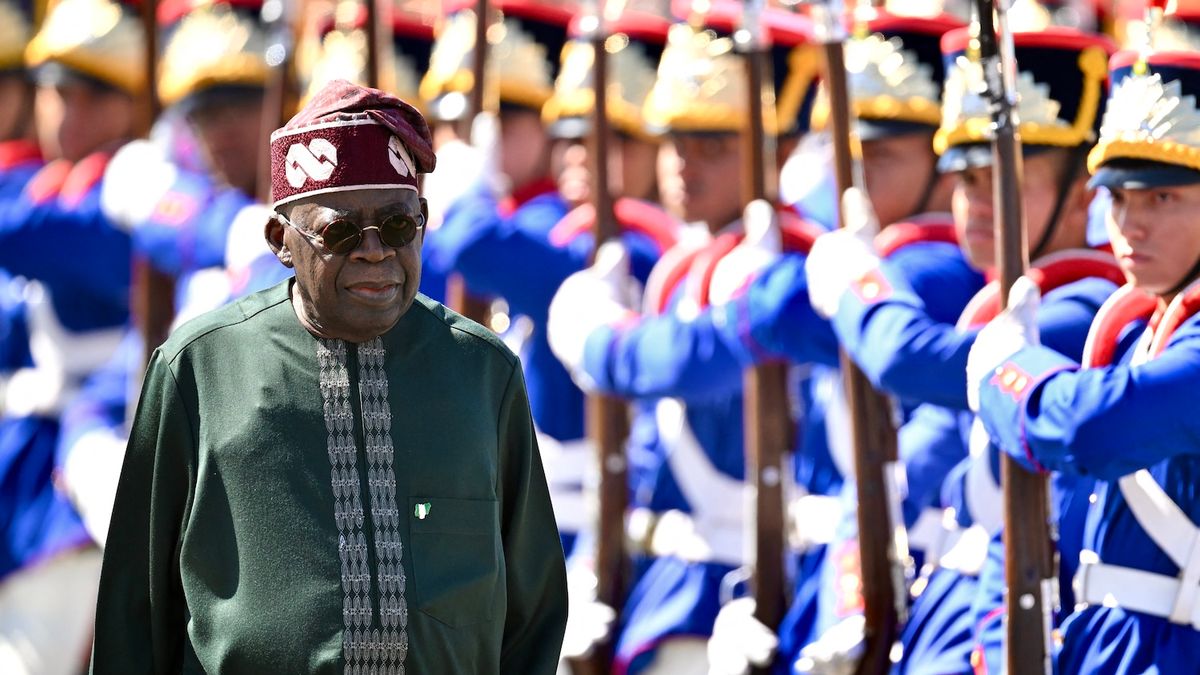
Nigeria, a country often overlooked in the global diplomatic landscape, is quietly emerging as a diplomatic powerhouse under the leadership of President Bola Tinubu. Contrary to the prevailing narrative that Nigeria's foreign policy has been on the decline for nearly two decades, Tinubu's actions suggest a more nuanced approach to international relations.
Former President Olusegun Obasanjo's tenure from 1999 to 2007 is often regarded as the golden age of Nigerian diplomacy. During this period, Obasanjo successfully repositioned Nigeria as a key player in the international community, securing $18 billion in debt relief and attracting significant foreign investment. His charm offensive, which included support for anticolonial movements in southern Africa, earned Nigeria a reputation as a leader on the African continent.
However, since Obasanjo's departure, Nigeria's foreign policy has been marked by a lack of focus and direction. Successive administrations, including those of Umaru Musa Yar'Adua, Goodluck Jonathan, and Muhammadu Buhari, failed to build on Obasanjo's achievements, instead succumbing to internal challenges and regional instability.
President Tinubu's foreign policy, often criticized for its lack of coherence, may actually be guided by a consistent thread – the safeguarding of liberal democracy in Nigeria's immediate neighborhood. As a pro-democracy activist who was once forced into exile by the military, Tinubu's background and instincts make this approach understandable.
Tinubu's actions on the international stage, particularly in West Africa, demonstrate a commitment to defending liberal democracy. His leadership of ECOWAS, his denunciation of the coup d'état in Niger, and his deployment of troops to Benin to thwart a putsch all suggest a president who is willing to take a stand for democratic values.
Tinubu's diplomatic efforts have significant regional implications. His success in Benin and his ongoing counterterrorism collaboration with Washington demonstrate a growing diplomatic prowess that could potentially heal the rift between ECOWAS and the Alliance of Sahel States. However, the road ahead will be challenging, particularly in the face of ongoing insurgency in the region.
Nigeria's diplomatic resurgence under President Tinubu is a welcome development in the region. While challenges remain, Tinubu's commitment to safeguarding liberal democracy and his willingness to take a stand for democratic values suggest a president who is determined to put Nigeria back on the map as a diplomatic powerhouse.
Editor's Note: While Tinubu's actions suggest a commitment to safeguarding liberal democracy, the road ahead will be challenging, particularly in the face of ongoing insurgency in the region.
Source referenced: FOREIGNPOLICY
This brief was synthesized by our Editorial Engine and reviewed by The Ground Narrative team.