TRENDING

Saturday, 24 October 2026
----------------------
13 Jumada Al-Awwal 1448 AH
At least 49 people died of thirst in Niger's Tenere desert region after their truck broke down, highlighting the harsh realities of regional instability and humanitarian challenges in the Sahel region.
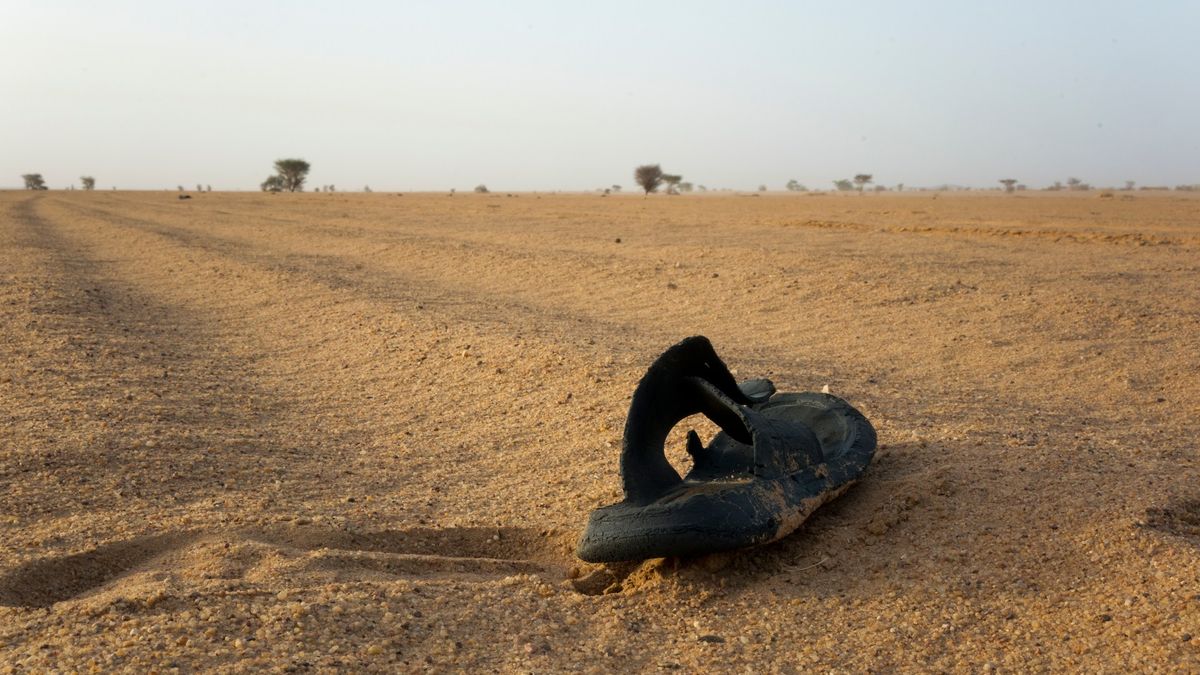
The recent tragedy in Niger's Tenere desert region, where at least 49 people died of thirst after their truck broke down, serves as a stark reminder of the harsh realities of regional instability and humanitarian challenges in the Sahel region. The incident occurred when a group of travelers, returning from Mali to celebrate the Muslim festival of Eid al-Adha with their families in Niger, ran short of water and were left stranded for days in a remote area more than 80km west of Assamaka.
The breakdown of the truck, which had traveled for several days from the Malian town of Talhandek, about 300km from the Nigerien border, highlights the complex web of factors contributing to the region's instability. The Sahel region, which spans across several countries in West Africa, has been plagued by conflicts, terrorism, and climate change, making it a challenging environment for human migration and trade.
The Niger desert tragedy has significant regional implications, particularly in the context of the Sahel region's growing instability. The region has become a major transit point for refugees and migrants seeking to get from African nations to Europe, with many dying from thirst or starvation in the scorching sands. The incident serves as a stark reminder of the need for regional cooperation and humanitarian assistance to address the root causes of migration and displacement in the Sahel region.
The Sahel region has a long history of instability, with conflicts and terrorism posing significant challenges to regional security and stability. The region has been plagued by the activities of extremist groups, such as Boko Haram and Al-Qaeda in the Islamic Maghreb, which have led to the displacement of millions of people and the loss of countless lives. The Niger desert tragedy is a grim reminder of the human cost of these conflicts and the need for sustained international support to address the region's humanitarian challenges.
The Niger desert tragedy has significant future consequences, particularly in the context of regional stability and humanitarian challenges. The incident highlights the need for improved infrastructure, including roads and water supply systems, to facilitate safe and efficient travel in the region. It also underscores the importance of regional cooperation and humanitarian assistance to address the root causes of migration and displacement in the Sahel region.
The Niger desert tragedy is a stark reminder of the harsh realities of regional instability and humanitarian challenges in the Sahel region. The incident highlights the need for regional cooperation and humanitarian assistance to address the root causes of migration and displacement in the region. It also underscores the importance of improved infrastructure and sustainable development to facilitate safe and efficient travel in the region. As the international community continues to grapple with the challenges of regional instability and humanitarian crises, the Niger desert tragedy serves as a grim reminder of the need for sustained support and cooperation to address these challenges.
Editor's Note: The analysis is based on available information and may be subject to revision as more details emerge.
Source referenced: ALJAZEERA
This brief was synthesized by our Editorial Engine and reviewed by The Ground Narrative team.


