TRENDING

Sunday, 4 October 2026
----------------------
23 Rabi' Al-Thani 1448 AH
A new book, 'Black Box: Unit 731,' by historian Jin Chengmin, unveils previously unpublished archival evidence of Japan's germ warfare crimes during WWII, reigniting discussions on historical accountability and post-war diplomatic arrangements. The publication highlights the alleged U.S. acquisition of Unit 731's data in exchange for immunity, adding complexity to historical narratives and regional relations.
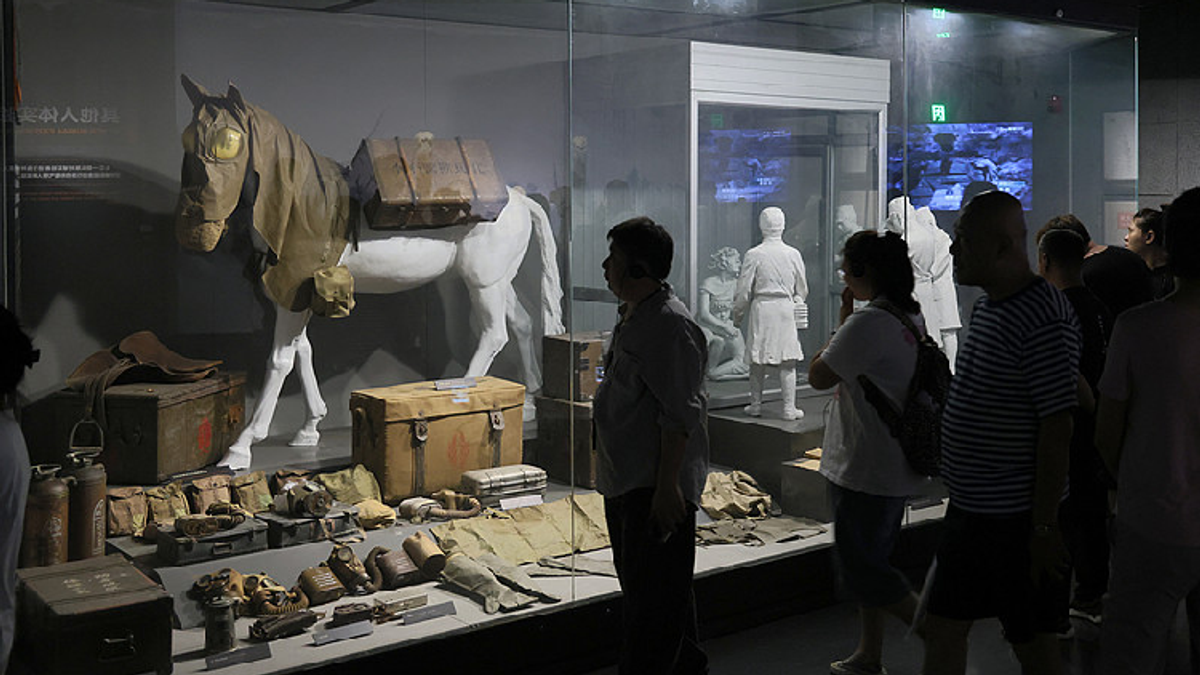
A significant new historical publication, "Black Box: Unit 731," authored by historian Jin Chengmin, has brought to light previously unreleased archival evidence detailing the horrific germ warfare crimes perpetrated by Japan's notorious Unit 731 during World War II. The book, officially launched on a recent Sunday at the Exhibition Hall of Evidences of Crime Committed by Unit 731 of the Japanese Imperial Army in Harbin, northeast China's Heilongjiang Province, presents a comprehensive and meticulously documented account of the unit's activities.
Unit 731, a clandestine biological and chemical warfare research and development unit of the Imperial Japanese Army, conducted lethal human experimentation on prisoners of war and civilians, primarily Chinese, but also Koreans, Mongolians, and Soviets, in occupied Manchuria. Its operations involved vivisection, forced infections with pathogens like plague and cholera, and other unspeakable atrocities aimed at developing biological weapons. The unit's existence and the scale of its crimes represent one of the darkest chapters of wartime history, often overshadowed by other aspects of the conflict.
Historian Jin Chengmin, a senior researcher at the Harbin museum, has dedicated over three decades to studying the history of germ warfare, preserving former Unit 731 sites, and conducting extensive historical education. His exhaustive research involved more than 30 trips to Japan, interviews with former Unit 731 members, and the preservation of a vast archive including over 400 hours of oral video testimonies, more than 20,000 criminal relics, and 300,000 pages of original historical documents. This monumental effort forms the bedrock of "Black Box: Unit 731," which aims to provide an irrefutable chain of evidence against the unit.
The book's title, "Black Box," carries dual implications, as explained by Jin. It symbolizes both the highly classified core secrets and the deadly human experimentation chambers of Unit 731. Crucially, it also refers to the post-war backroom deal in which the United States allegedly acquired Unit 731's germ warfare data and research findings in exchange for granting immunity to its leading members from war crimes prosecution. This alleged arrangement, if fully substantiated, has profound implications for understanding post-war justice, international accountability, and the early Cold War geopolitical landscape.
The release of this book comes at a time of significant historical anniversaries in 2026, including the 81st anniversary of the victory in the Chinese People's War of Resistance against Japanese Aggression and the World Anti-Fascist War, the 80th anniversary of the opening of the Tokyo Trials, and the 77th anniversary of the 1949 Khabarovsk War Crimes Trials. These commemorations underscore the enduring importance of historical memory and accountability in East Asia.
The revelations in "Black Box: Unit 731" are poised to reignite sensitive discussions surrounding Sino-Japanese relations. Historical grievances, particularly concerning Japan's wartime conduct, remain a persistent point of contention between Beijing and Tokyo. China frequently emphasizes these historical narratives to underscore its victimhood and to call for greater Japanese contrition, while Japan often seeks to move past these issues or offers different interpretations. This new evidence will likely intensify calls for Japan to fully acknowledge and apologize for its wartime atrocities, potentially straining diplomatic ties at a time of increasing regional geopolitical competition.
Furthermore, the alleged U.S. involvement in a post-war cover-up adds a complex layer to the historical narrative. If confirmed, it could be leveraged by various actors to question the moral authority of the United States and its historical role in upholding international justice. This aspect could also influence perceptions of U.S. alliances in the Indo-Pacific, particularly with Japan, and fuel broader debates about the ethics of scientific intelligence gathering during the Cold War era.
Experts attending the book launch emphasized that this new publication significantly advances the study of war history and facilitates evidence-based historical education for the public. They highlighted that recognizing documented facts and reflecting on wartime atrocities are fundamental for establishing justice and fostering lasting global peace. The meticulous documentation provided by Jin Chengmin's work serves as a critical resource for historians, policymakers, and the public alike, ensuring that the lessons of the past are not forgotten.
In an era where historical revisionism and disinformation can challenge established facts, the rigorous, evidence-based approach of "Black Box: Unit 731" stands as a crucial contribution to historical truth. It underscores the ongoing importance of confronting difficult historical truths, not only for the sake of victims and their descendants but also for shaping a more just and peaceful international order.
Source referenced: CGTN
This brief was synthesized by our Editorial Engine and reviewed by The Ground Narrative team.