TRENDING

Friday, 16 October 2026
----------------------
5 Jumada Al-Awwal 1448 AH
The recent NATO Summit in Ankara concluded with allied nations urging the United States to increase its military assistance to Ukraine, particularly in missile defense capabilities. This call highlights growing concerns over Ukraine's dwindling defenses against Russian aggression and signals potential transatlantic tensions regarding burden-sharing.
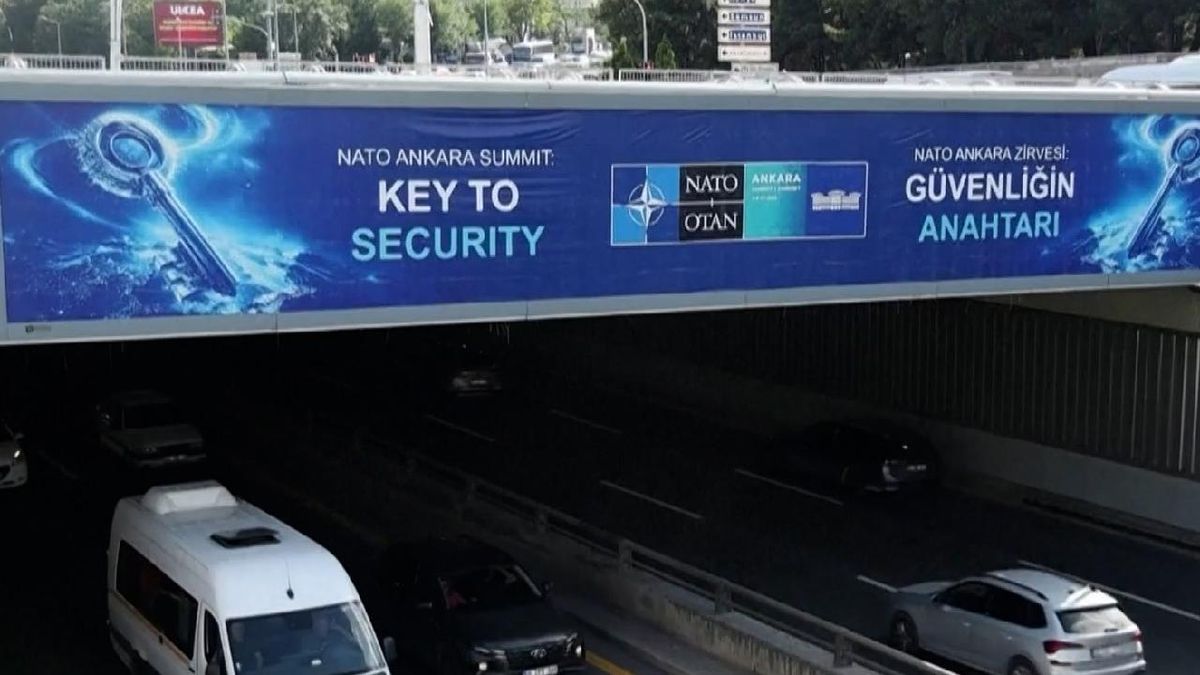
The recent NATO Summit, held in Ankara, Türkiye, concluded on July 10, 2026, with a clear message from allied nations directed towards the United States: a pressing need for stepped-up support for Ukraine. The gathering of global leaders underscored the ongoing challenges faced by Kyiv in its conflict with Russia, particularly a critical shortage of missile defense capabilities, which the U.S. has historically been the primary provider of.
The summit served as a crucial platform for NATO members to assess the evolving security landscape in Europe and the strategic implications of the protracted conflict in Ukraine. The urgency of the situation was amplified by recent missile attacks on Kyiv, which starkly revealed the vulnerabilities in Ukraine's air defense systems. These attacks not only inflict damage on civilian infrastructure and morale but also underscore the strategic imperative for Ukraine to maintain robust defensive capabilities against Russian aerial assaults.
Missile defense systems are a cornerstone of modern warfare, providing a vital shield against aerial threats. For Ukraine, the ability to intercept incoming Russian missiles and drones is paramount to protecting its cities, critical infrastructure, and military assets. A growing shortage in these capabilities directly impacts Ukraine's ability to sustain its defense, potentially leading to increased casualties, economic disruption, and a weakening of its overall strategic position. The request from NATO allies for enhanced U.S. provision of these systems reflects a recognition of this immediate and critical need.
Historically, the United States has been the leading contributor of advanced military aid to Ukraine, including sophisticated missile defense technologies. The current appeal from allies suggests a perceived or actual slowdown in this support, leading to what the reporting describes as "ongoing tensions with the US." This dynamic points to a broader geopolitical discussion within the alliance regarding burden-sharing and the long-term commitment to Ukraine's sovereignty and territorial integrity. Should U.S. support diminish, European allies would face increased pressure to fill the void, potentially necessitating significant adjustments to their own defense budgets and industrial capacities.
The discussions in Ankara highlight the delicate balance of transatlantic relations within NATO. While the alliance presents a united front against external threats, internal debates over resource allocation, strategic priorities, and the extent of individual member contributions are perennial. The call for the U.S. to "step up support" can be interpreted as an expression of concern over the sustainability of the current aid framework and a desire to reinforce the collective defense posture against Russian aggression.
From a geopolitical perspective, the outcome of these discussions will have profound implications. A robust and sustained supply of missile defense systems to Ukraine is crucial not only for its immediate survival but also for shaping the trajectory of the conflict. It sends a clear signal of continued Western resolve to Russia, potentially influencing Moscow's strategic calculations regarding the cost and feasibility of its military objectives. Conversely, any perceived wavering in support could embolden Russia, prolong the conflict, and potentially destabilize the broader European security architecture.
Furthermore, the summit's focus on U.S. commitment underscores the enduring centrality of American leadership within NATO. Any significant shift in U.S. foreign policy or defense priorities could necessitate a fundamental re-evaluation of European security strategies, potentially accelerating efforts towards greater European strategic autonomy. The Ankara summit, therefore, was not merely about immediate aid but also about the future cohesion and operational effectiveness of the world's most powerful military alliance in the face of persistent geopolitical challenges.
Source referenced: CGTN
This brief was synthesized by our Editorial Engine and reviewed by The Ground Narrative team.