TRENDING

Wednesday, 7 October 2026
----------------------
26 Rabi' Al-Thani 1448 AH
The NATO summit in Ankara, Turkey, highlighted deep divisions and strategic complexities as US President Donald Trump's rhetoric challenged alliance cohesion, even as Secretary-General Mark Rutte affirmed US commitment. Discussions were overshadowed by ongoing Russian aggression in Ukraine and escalating tensions in the Middle East involving Iran.
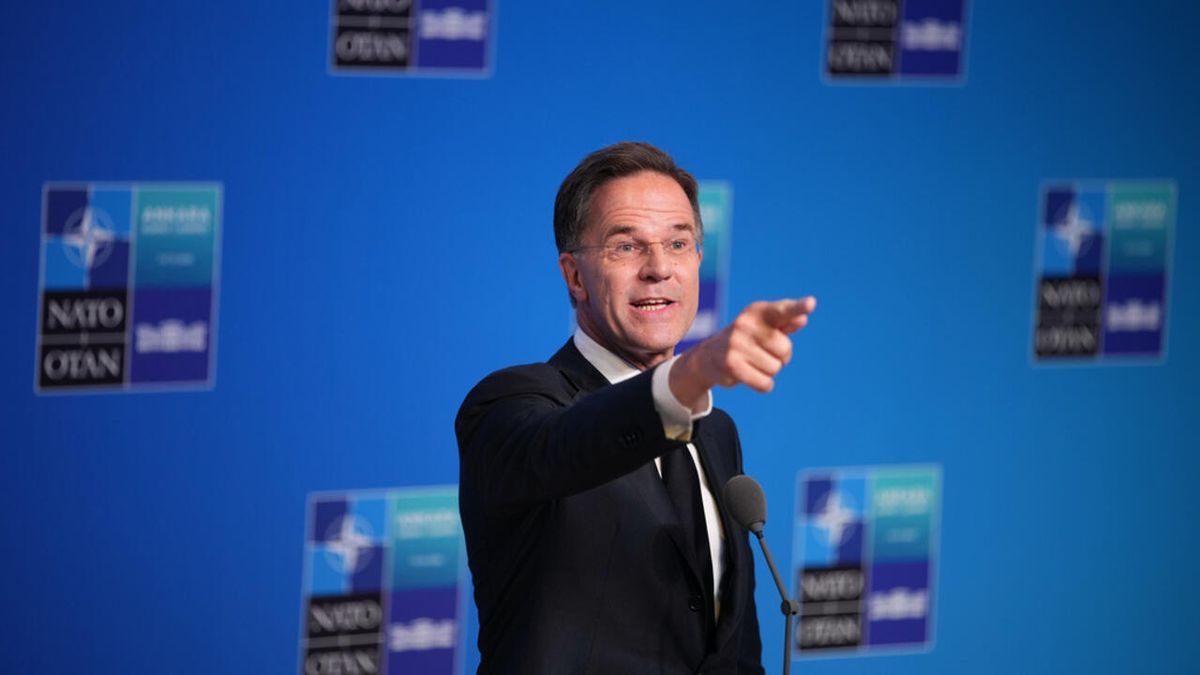
The NATO summit, held in Ankara, Turkey, on July 8, 2026, served as a critical juncture for the transatlantic alliance, exposing both its enduring strategic importance and the profound challenges to its internal cohesion. The gathering, attended by leaders from across the alliance, including US President Donald Trump and Ukrainian President Volodymyr Zelensky, unfolded against a backdrop of escalating conflicts in Eastern Europe and the Middle East, alongside renewed questions about the United States' long-term commitment to collective defense.
NATO Secretary-General Mark Rutte sought to reassure allies, stating unequivocally that the United States remained "completely committed" to the military alliance. This assertion, however, directly contrasted with President Trump's own remarks, who expressed continued "disappointment with NATO" and highlighted lingering bitterness over a perceived "war on Iran." This divergence in messaging underscored the persistent uncertainty surrounding US foreign policy direction and its implications for the alliance's foundational principle of mutual defense.
The ongoing conflict in Ukraine cast a long shadow over the summit. Just hours before key meetings, Russia launched fresh strikes on Ukraine, killing at least seven people and conducting a third ballistic missile attack on Kyiv within a week. Ukrainian officials lamented a critical shortage of US-made air-defense interceptors, highlighting the urgent need for sustained military aid. In response, Ukraine's army claimed to have successfully targeted several Russian tankers, while Russia reported Ukrainian drone attacks killed one person and damaged industrial sites and two empty oil tankers.
Ukrainian President Volodymyr Zelensky's presence at the summit was crucial for galvanizing support, with plans announced to sign new drone deals. Separately, Hungarian Prime Minister Peter Magyar agreed to a bilateral meeting with Zelensky, signaling potential diplomatic avenues amidst the broader conflict. Concurrently, Poland's President Karol Nawrocki advocated for extending NATO's pipeline network to the alliance's eastern flank, emphasizing its dual-use nature for both energy and security and underscoring the strategic imperative to bolster defenses against potential Russian aggression.
The summit also grappled with escalating tensions in the Middle East. Iran's military issued a stark warning, declaring any site enabling a US attack a "legitimate target." This statement followed new US strikes on Iran, prompting Dutch Prime Minister Rob Jetten to emphasize the importance of demonstrating that breaches of the "fragile" Middle East ceasefire would not be tolerated, while simultaneously urging maximum diplomatic pressure for a lasting solution. The context of a broader "war on Iran," as referenced by President Trump, suggests a highly volatile regional dynamic with significant global implications.
In a notable development, President Trump's arrival in Ankara was marked by effusive praise for Turkish President Recep Tayyip Erdogan, highlighting their "chemistry." This rapprochement was further solidified by Trump's announcement that the US would lift sanctions on Turkey, which had been imposed to punish Ankara for its purchase of Russian S-400 defense missiles. This decision signals a significant shift in US policy towards a key NATO ally, potentially easing bilateral strains but also raising questions about alliance solidarity and adherence to sanctions regimes against Russia.
Beyond the major conflicts, the summit also saw President Trump renew demands for the US to take control of Greenland from NATO ally Denmark. Danish Prime Minister Mette Frederiksen firmly rejected this, asserting that "Greenland is of course not for sale" and emphasizing the importance of respecting Denmark's territorial integrity and the Greenlandic people's right to self-determination. This exchange underscored the complex and sometimes contentious nature of bilateral relations within the alliance, even as leaders sought to project unity.
Overall, the Ankara summit underscored the multifaceted challenges confronting NATO. From the existential threat posed by Russia's war in Ukraine to the volatile geopolitical landscape of the Middle East and the internal strains on alliance cohesion, the meeting highlighted the urgent need for strategic clarity and collective action. The interplay of US leadership, or the perceived lack thereof, with the diverse interests and security concerns of member states will continue to define the alliance's trajectory in an increasingly complex global environment.
Source referenced: FRANCE24
This brief was synthesized by our Editorial Engine and reviewed by The Ground Narrative team.