TRENDING

Monday, 5 October 2026
----------------------
24 Rabi' Al-Thani 1448 AH
NATO Secretary-General Mark Rutte has urged member states to present concrete plans to meet the alliance's defence spending targets, amid growing pressure from the US to increase contributions.
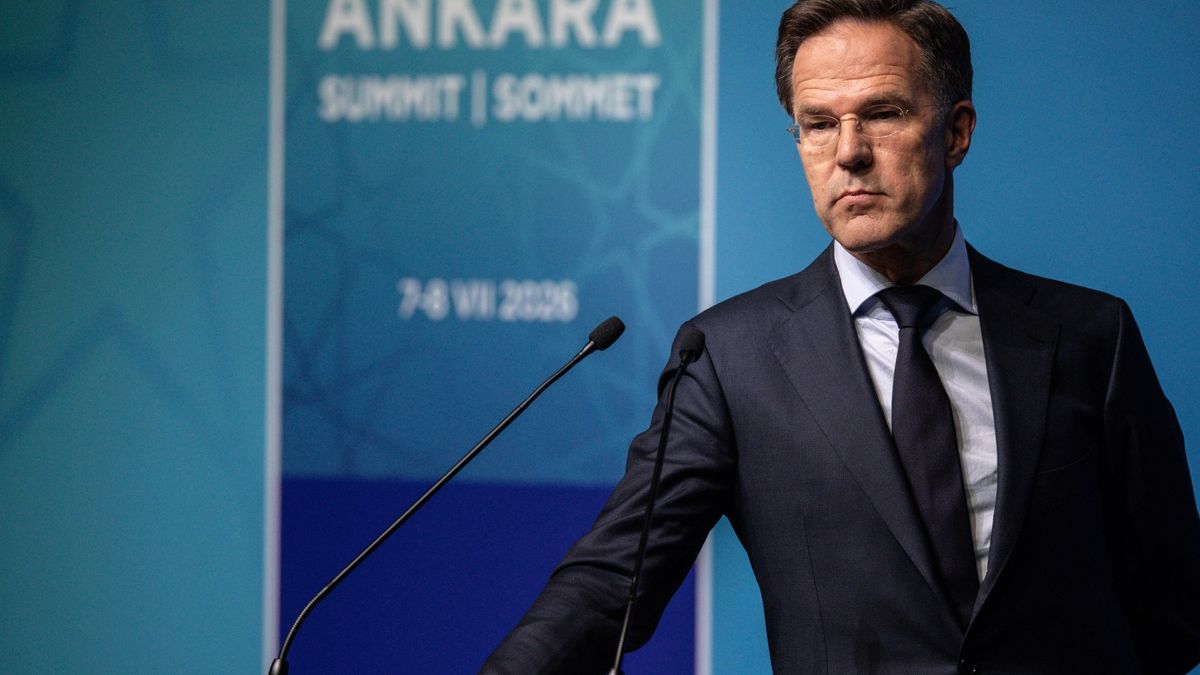
The upcoming NATO Summit 2026 in Ankara, Turkey, marks a critical juncture for the alliance as it seeks to strengthen its collective defence posture and address the growing concern of defence spending disparities among member states. NATO Secretary-General Mark Rutte has issued a stern warning to member states, urging them to present clear, concrete, and credible plans to reach the organisation's defence spending targets.
In 2025, NATO member states agreed to invest five percent of their gross domestic product (GDP) on defence, with 3.5 percent allocated to defence budgets and 1.5 percent for infrastructure development to facilitate the movement of troops and equipment. This target is a significant increase from the previous two percent GDP target, which many member states struggled to meet. The five percent target is a reflection of the evolving security landscape, with rising tensions in Eastern Europe, the Middle East, and the Indo-Pacific region.
The US has been a driving force behind the push for increased defence spending among NATO member states. The Trump administration has repeatedly criticised European allies and Canada for not meeting their defence spending commitments, with President Trump calling for "loyalty" from NATO allies. The US has also threatened to reconsider its commitment to the alliance if member states do not step up their defence spending. This pressure is a reflection of the US's growing concern about its own defence burden and the need for European allies to assume a greater share of the defence responsibilities.
The NATO Summit 2026 is not only a test of member states' defence spending commitment but also a test of transatlantic unity. The alliance's ability to present a united front in the face of growing security challenges will be closely watched by observers. The summit will also provide an opportunity for NATO member states to reaffirm their commitment to the alliance's core values of collective defence and democratic principles.
The outcome of the NATO Summit 2026 will have significant implications for the future of defence cooperation among member states. If member states are able to present clear and credible plans to meet the five percent target, it will demonstrate a renewed commitment to the alliance's defence posture and set the stage for a new era of defence cooperation. However, if member states fail to meet the target, it will raise concerns about the alliance's ability to respond to emerging security challenges and may lead to a re-evaluation of the alliance's structure and priorities.
The NATO Summit 2026 is a critical moment for the alliance as it seeks to strengthen its collective defence posture and address the growing concern of defence spending disparities among member states. The outcome of the summit will have significant implications for the future of defence cooperation among member states and will be closely watched by observers. As NATO Secretary-General Mark Rutte has urged, member states must present clear, concrete, and credible plans to meet the five percent target, demonstrating a renewed commitment to the alliance's defence posture and setting the stage for a new era of defence cooperation.
Editor's Note: The analysis is based on publicly available information and does not reflect any confidential or classified information.
Source referenced: ALJAZEERA
This brief was synthesized by our Editorial Engine and reviewed by The Ground Narrative team.


