TRENDING

Monday, 5 October 2026
----------------------
24 Rabi' Al-Thani 1448 AH
A critical NATO summit in Ankara aims to reaffirm alliance unity amidst US pressure for increased defense spending and a review of its European military posture. European leaders are navigating President Trump's unpredictability while seeking to bolster collective security against evolving geopolitical threats.
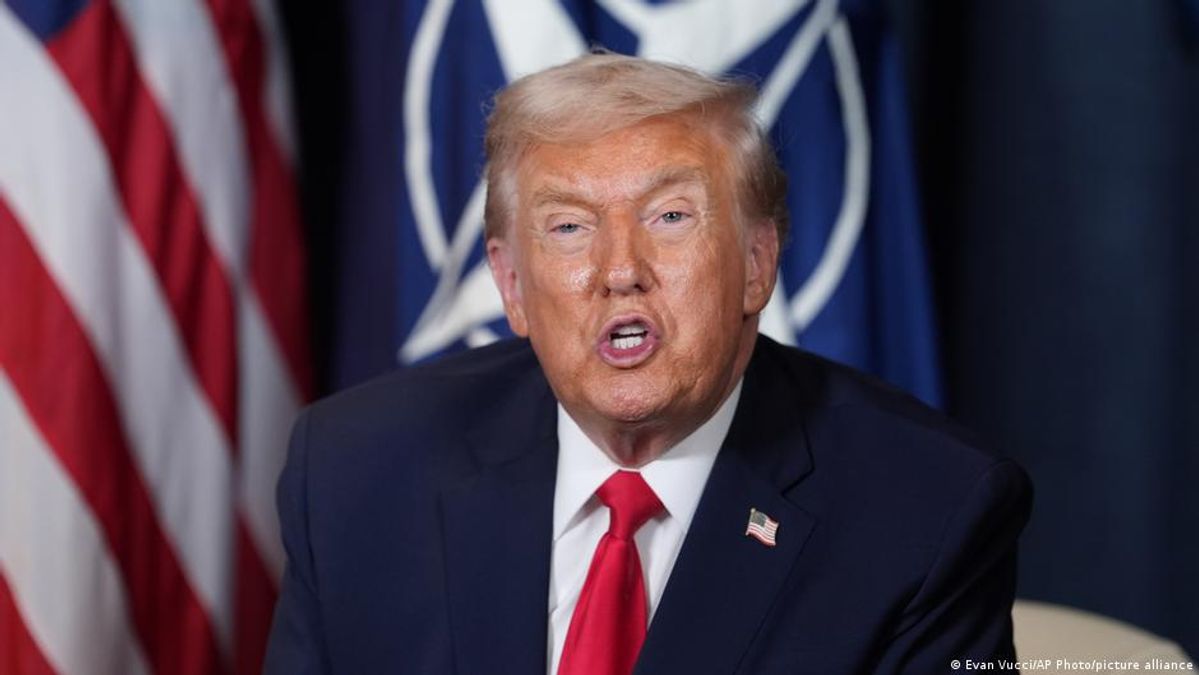
The upcoming NATO summit in Ankara, scheduled for July 7, is poised to be a pivotal moment for the transatlantic alliance, as leaders convene amidst heightened geopolitical tensions and persistent questions regarding the United States' long-term commitment to European security. The summit's primary objective, as articulated by NATO Secretary-General Mark Rutte, is to demonstrate unwavering allied unity and address the strategic challenges posed by Russia's ongoing war in Ukraine and broader instability in the Middle East.
At the heart of the discussions lies the enduring influence of US President Donald Trump, whose past and present criticisms of NATO allies' defense spending have consistently tested the alliance's cohesion. Rutte's recent visit to Washington underscored this dynamic, where he proactively showcased a "Trump Trillion" – an additional $1.2 trillion in defense spending by European allies and Canada since 2017. This strategic move aimed to placate Trump and highlight the tangible efforts made by members to meet the alliance's 2% GDP defense spending target, thereby making an economic case for NATO's value to the US.
President Trump's administration has signaled a potential recalibration of its military footprint in Europe. During a NATO defense ministers' meeting in Brussels on June 18, US Defense Secretary Pete Hegseth announced a comprehensive review of American troop deployments and military posture across the continent. This announcement, coupled with a stern warning that some allies might "fail" the review, has intensified concerns among European governments about the pace and extent of a potential US drawdown. German Defense Minister Boris Pistorius cautioned against creating "dangerous capability gaps" during any transition, emphasizing the need for a synchronized roadmap.
This evolving US stance compels European nations to accelerate their efforts towards greater strategic autonomy and self-reliance in defense. Experts like Claudia Major of the German Marshall Fund highlight that if the US reduces its crucial role, Europeans must rapidly enhance their capabilities, especially given the persistent threat from Russia. The Ankara summit is expected to feature Rutte's proposal for a "defense industrial revolution," aiming to boost European weapons production through tens of billions of dollars in new contracts and procurement deals. This initiative seeks not only to strengthen European defense but also to present an attractive market for the US defense industry, further intertwining economic and security interests.
Beyond internal alliance dynamics, securing continued and robust support for Ukraine remains a top priority for the Ankara agenda. European NATO members and Canada are anticipated to pledge approximately 70 billion euros ($80 billion) in military aid for Ukraine for the current and next year. However, internal tensions persist regarding equitable burden-sharing for this aid, with Rutte advocating for a more even distribution among partners. The collective commitment to Ukraine is crucial not only for Kyiv's defense but also for demonstrating NATO's resolve against Russian aggression and reinforcing its deterrence posture.
A central theme of the summit will be the reaffirmation of Article 5, NATO's collective defense clause, which stipulates that an attack on one member is an attack on all. The credibility of this commitment hinges entirely on the political unity displayed by the alliance. Any public disputes or criticisms from the US president regarding allies' contributions could undermine this cohesion, thereby weakening both political solidarity and the military deterrence message. While Trump's more cooperative tone at the recent G7 summit offered a glimmer of optimism for transatlantic unity, his historical unpredictability keeps European leaders on edge.
The Ankara summit represents a critical juncture for NATO, navigating a complex geopolitical landscape marked by ongoing conflict in Ukraine, heightened tensions in the Middle East, and a shifting global power balance. The outcome will significantly influence the future trajectory of transatlantic relations, the pace of European defense integration, and the alliance's capacity to deter aggression effectively. The ability of NATO leaders to present a united front, address the US's demands for burden-sharing, and articulate a clear strategy for collective security will be paramount in ensuring the alliance's continued relevance and strength in an increasingly volatile world.
Source referenced: DW
This brief was synthesized by our Editorial Engine and reviewed by The Ground Narrative team.


