TRENDING

Sunday, 4 October 2026
----------------------
23 Rabi' Al-Thani 1448 AH
On the eve of a critical NATO summit in Ankara, Secretary General Mark Rutte urged member states to present "credible plans" for defense spending, highlighting a reported surge in allocations and anticipated multi-billion dollar contracts. This push underscores the alliance's intensified focus on collective security amidst evolving geopolitical threats and persistent calls for equitable burden-sharing.
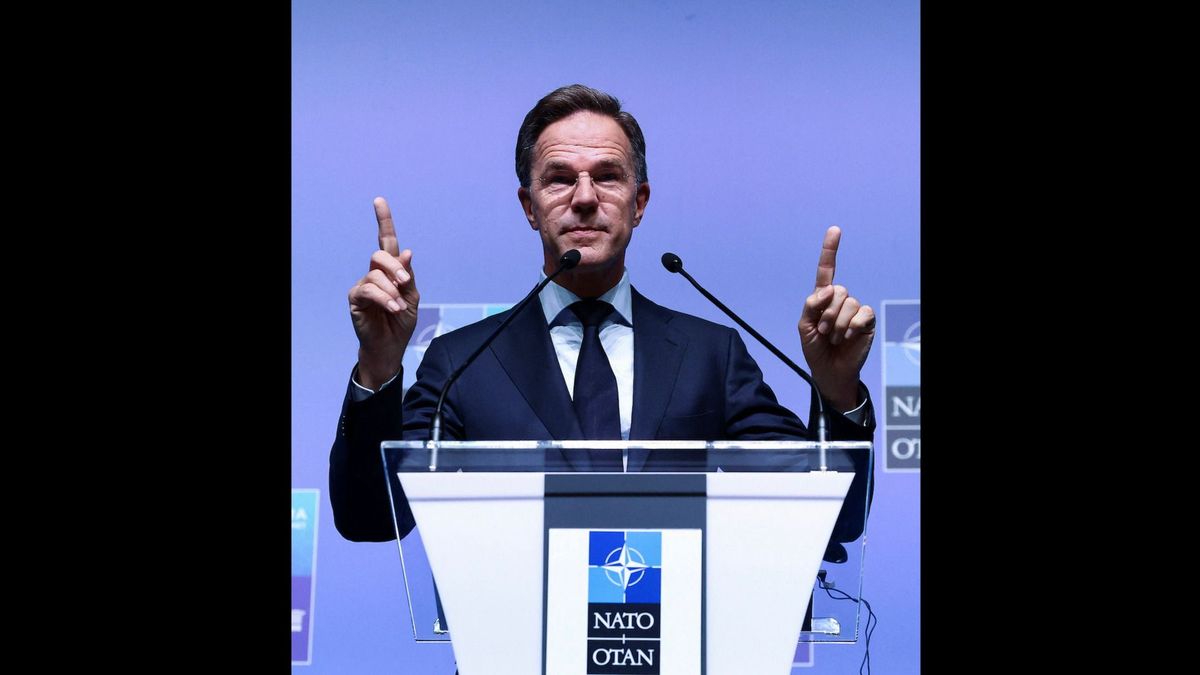
As NATO leaders converge in Ankara for a pivotal summit, the alliance's commitment to collective defense and burden-sharing has taken center stage. NATO Secretary General Mark Rutte, speaking on the eve of the gathering on July 6, 2026, issued a clear call for member states to present "credible plans" to meet their defense spending goals. This directive comes amidst reports of a significant increase in defense allocations across the alliance, with tens of billions more in defense contracts expected to be announced during the summit.
The push for enhanced defense spending is rooted in a dramatically altered global security landscape. The alliance's long-standing target, set at the 2014 Wales Summit, called for members to allocate at least 2% of their Gross Domestic Product (GDP) to defense. This target gained renewed urgency following Russia's full-scale invasion of Ukraine, which underscored the critical need for robust conventional deterrence and military readiness in Europe.
Secretary General Rutte noted that member states are now reportedly spending around 4% of their GDP on defense, a development he characterized as narrowing the spending gap with the United States. This reported figure, if broadly representative across the alliance, marks a substantial acceleration beyond NATO's established 2% GDP defense spending target. The emphasis on 'credible plans' suggests a strategic pivot from aspirational targets to concrete, verifiable strategies for sustained investment, ensuring that increased financial commitments translate into tangible military capabilities and readiness.
The intensified focus on defense spending is driven by several critical geopolitical factors:
* Russia's Aggression: The ongoing conflict in Ukraine remains the primary catalyst. NATO's eastern flank requires strengthened deterrence and defense capabilities to counter potential Russian expansionism. Increased spending allows for the modernization of forces, procurement of advanced weaponry, and enhanced training and interoperability among allies.
* Transatlantic Relations and Burden-Sharing: For decades, the United States has been the primary contributor to NATO's collective defense, often urging European allies to increase their own contributions. The reported surge in European defense spending, and the stated aim of "narrowing the gap with the US," signals a more equitable distribution of the defense burden. This shift is crucial for maintaining transatlantic cohesion and demonstrating a shared commitment to the alliance's foundational principle of collective security.
* European Strategic Autonomy: While still deeply reliant on the US, increased European defense spending and industrial capacity could foster greater strategic autonomy for the continent. This does not imply a decoupling from the US but rather a more capable and self-reliant European pillar within NATO, enhancing the alliance's overall strength and flexibility.
* Military Modernization and Industrial Capacity: The anticipated announcement of tens of billions in new defense contracts will provide a significant boost to the European defense industry. This investment is vital for replenishing stockpiles, developing next-generation military technologies, and ensuring that NATO forces are equipped to face contemporary and future threats. It also stimulates economic activity and job creation within the defense sector.
While the commitment to increased defense spending is a positive development for NATO's readiness, several challenges remain. The sustainability of these high spending levels in the long term, particularly amidst potential economic fluctuations, will be a key test. Furthermore, ensuring that funds are spent efficiently and strategically, avoiding duplication and maximizing interoperability, is paramount. Political will across diverse member states will also be crucial for maintaining consensus and commitment to these ambitious goals.
The Ankara summit represents a defining moment for NATO, signaling a clear shift from post-Cold War complacency to a renewed focus on robust collective defense. Secretary General Rutte's call for "credible plans" and the expected announcement of substantial new contracts underscore a determination to translate financial commitments into tangible military strength. This strategic pivot is essential for deterring aggression, reinforcing transatlantic bonds, and ensuring the alliance remains a credible guarantor of security in an increasingly volatile world. The outcomes of this summit will have profound implications for global security architecture and the future trajectory of international relations.
Editor's Note: The article's claim of members spending 'around 4% of GDP on defence' is significantly higher than publicly reported averages for European NATO members, which typically hover around or just above the 2% target. This analysis proceeds by reporting the figure as stated in the source, while providing context regarding the established 2% target.
Source referenced: ALJAZEERA
This brief was synthesized by our Editorial Engine and reviewed by The Ground Narrative team.


