TRENDING

Tuesday, 6 October 2026
----------------------
25 Rabi' Al-Thani 1448 AH
Morocco's World Cup campaign has seen a significant shift in their tactical approach, from a defensive-minded strategy in 2022 to an expansive and youth-driven approach in 2026. This change has sparked comparisons between the two teams and raised questions about the long-term implications for Moroccan football.
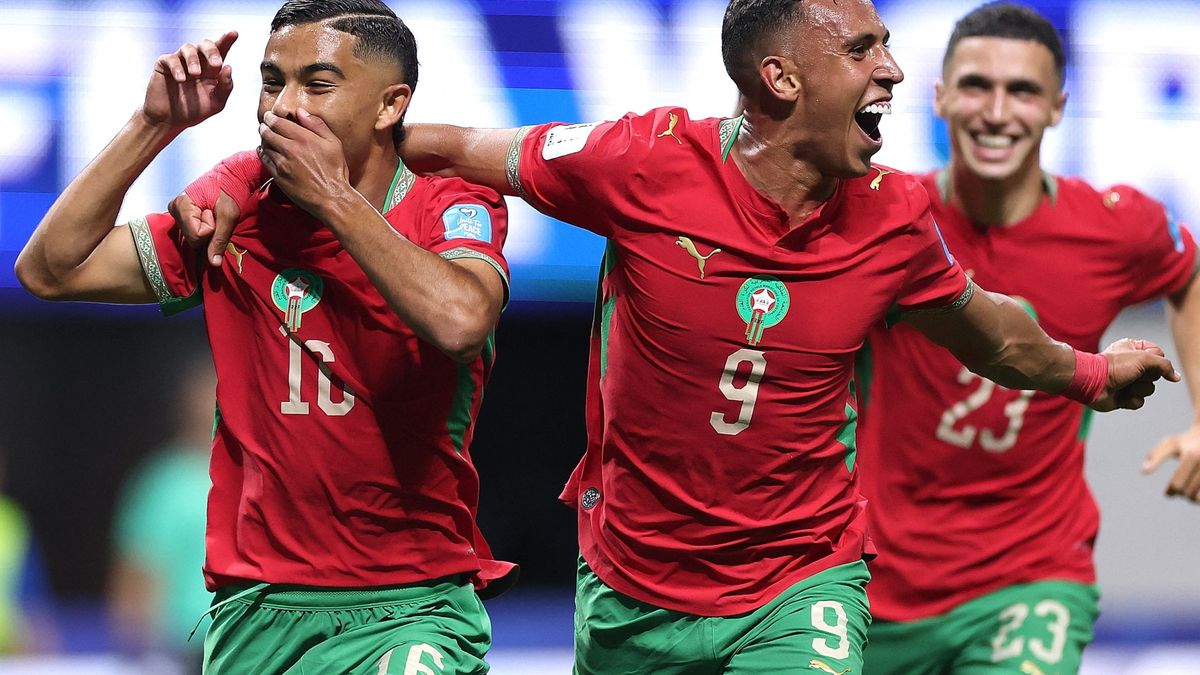
Morocco's World Cup campaign has seen a significant shift in their tactical approach, from a defensive-minded strategy in 2022 to an expansive and youth-driven approach in 2026. This change has sparked comparisons between the two teams and raised questions about the long-term implications for Moroccan football.
The 2022 Moroccan team, led by coach Walid Regragui, employed a defensive-minded strategy that relied on experience and tactical discipline. The team's highest possession percentage came in their only loss, against France in the semifinal. Regragui's team was not as negative as some other sides employing the same tactics, but they did set their backline midway between their goal and midfield, ceding possession to lure the opposition into their traps.
In contrast, the 2026 Moroccan team, led by coach Mohammed Ouhabi, has adopted an expansive and youth-driven approach. Ouhabi has picked a lot of young players who fit his tactical approach, which relies on mobile players who constantly switch positions and rotate around the pitch. The younger squad has made an instant impact in the World Cup, recording an impressive 1-1 draw against Brazil in their opening game.
Morocco's tactical shift has significant regional implications, particularly in Africa and the Arab World. The team's success has won back some of the alienated neutral support, and they have cemented their status as the best Arab and African team at the World Cup for the second time in four years. However, the team's change in approach has also raised questions about their long-term prospects and their ability to maintain their success in future tournaments.
Morocco's tactical shift can be seen as part of a long-term plan to develop a more dynamic and youthful team. The team's average age has hovered just below 26 years, and none of the outfield starters are over 30. This change is likely driven by the team's desire to host the 2030 World Cup and to establish themselves as a major force in African and Arab football.
Morocco's tactical shift from a defensive-minded strategy in 2022 to an expansive and youth-driven approach in 2026 has sparked comparisons between the two teams and raised questions about the long-term implications for Moroccan football. The team's success has won back some of the alienated neutral support, and they have cemented their status as the best Arab and African team at the World Cup for the second time in four years. However, the team's change in approach has also raised questions about their long-term prospects and their ability to maintain their success in future tournaments.
Editor's Note: The analysis is based on the available information and may not reflect the full complexity of the situation.
Source referenced: ALJAZEERA
This brief was synthesized by our Editorial Engine and reviewed by The Ground Narrative team.