TRENDING

Sunday, 25 October 2026
----------------------
14 Jumada Al-Awwal 1448 AH
The United States' enthusiasm for regional integration in the Middle East is misplaced, as it fails to address the region's core challenges and may even hinder American interests.
The Middle East has long been a region of great strategic importance, with the United States and other global powers vying for influence and control. In recent years, the idea of regional integration has gained significant traction, with initiatives such as the India-Middle East-Europe Economic Corridor (IMEC) and the Abraham Accords aiming to promote economic cooperation and stability. However, as Steven A. Cook, a columnist at Foreign Policy and the Eni Enrico Mattei senior fellow for Middle East and Africa studies at the Council on Foreign Relations, argues, this enthusiasm for regional integration is misplaced.
Cook points out that regional integration is not a panacea for the Middle East's core challenges, including the lack of trade between countries, the absence of a common currency, and the region's fragmented security landscape. The Abraham Accords, which normalized diplomatic, economic, and security ties between Israel and several Arab states, have endured despite regional tensions, but Israel has become a toxic issue, and there is considerable tension even among Arab states.
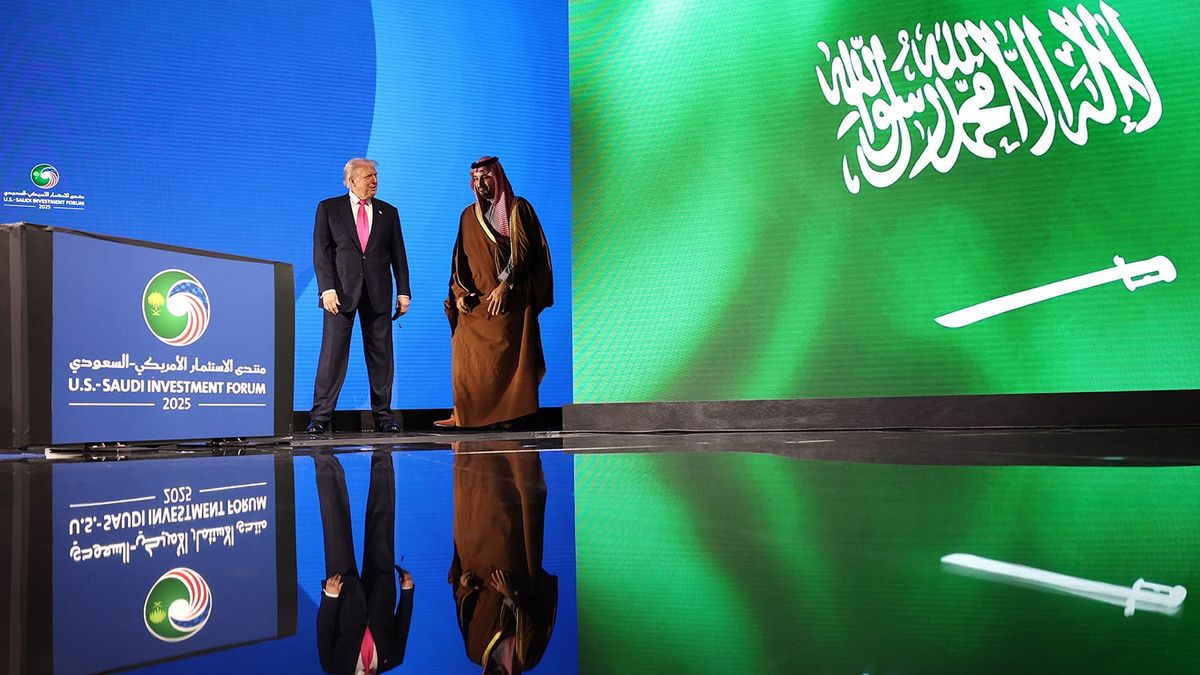
The Trump administration's push for Saudi-Israeli normalization, despite Riyadh's Palestinian state demand, reflects a misguided prioritization of regional integration over more pressing concerns. The administration's focus on integration has been driven by a set of assumptions that greater economic development will lead to greater stability, which in turn will lead to peace and security. However, this approach neglects the region's complex history and the deep-seated mistrust between countries.
IMEC, which aims to connect India and Europe via the United Arab Emirates, Saudi Arabia, Jordan, and Israel, has been touted as a key initiative in promoting regional integration. However, as Cook notes, the proposed route would bypass Israel, and it is unclear how any change will fly with India, which has important relations with both Israel and Saudi Arabia. The differences between the players reflect regional tensions, and the initiative's success is far from guaranteed.
The Middle East is a region of great complexity, with a rich history and a diverse array of cultures and interests. Any attempt to promote regional integration must take into account the region's unique context and the deep-seated mistrust between countries. The United States' enthusiasm for regional integration is misplaced, as it fails to address the region's core challenges and may even hinder American interests.
Regional integration is not a panacea for the Middle East's core challenges, and the United States' enthusiasm for it is misplaced. The region's complex history, deep-seated mistrust, and fragmented security landscape make it difficult to achieve meaningful integration. The United States must adopt a more nuanced approach, one that takes into account the region's unique context and prioritizes more pressing concerns, such as energy security and regional stability.
Editor's Note: The analysis is based on the article's content and may not reflect the author's personal views or opinions.
Source referenced: FOREIGNPOLICY
This brief was synthesized by our Editorial Engine and reviewed by The Ground Narrative team.