TRENDING

Monday, 5 October 2026
----------------------
24 Rabi' Al-Thani 1448 AH
Exit polls in Berlin and Mecklenburg‑Western Pomerania show the CDU stumbling badly, a sign that Germany’s centre‑right may be losing its foothold while the far‑right AfD eyes new inroads.
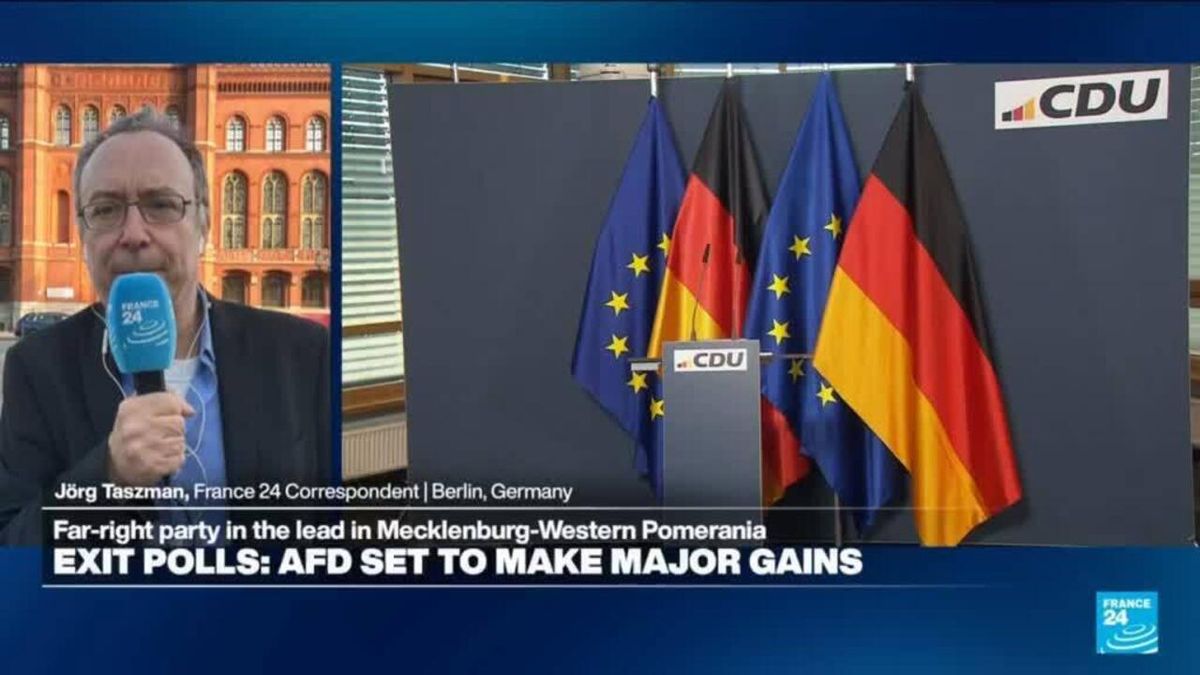
On 20 September 2026 Germans voted in two crucial state elections – Berlin and Mecklenburg‑Western Pomerania. Early exit polls indicated a sharp drop for Chancellor Friedrich Merz’s Christian Democratic Union (CDU), with the party trailing far behind the Social Democrats in Berlin and facing a surge from the right‑wing Alternative für Deutschland (AfD) in both states.
The CDU’s decline cannot be read as a simple swing of voter sentiment; it reflects deeper structural pressures. First, Merz’s leadership style leans heavily on corporate backing and a pro‑business agenda, which alienates working‑class voters still reeling from high energy prices and a sluggish job market. Second, the AfD’s narrative – framing the EU, immigration, and the war in Ukraine as existential threats – taps into a growing distrust of the political establishment, giving the party a cheap but potent rallying cry. Third, the federal coalition’s reliance on coalition partners (the Greens and FDP) forces the CDU to compromise on climate and digital policy, diluting its traditional brand as the defender of stability. Finally, regional politics in Berlin, a city with a strong leftist tradition, and Mecklenburg‑Western Pomerania, a rural area hit hard by demographic decline, create distinct electoral battlegrounds where national messaging often misfires.
The headline numbers hide the everyday stakes for ordinary Germans. In Berlin’s outer districts, families face rising rents and a public transport system strained by under‑investment; a CDU loss means fewer promises of fiscal restraint and more pressure on social services. In Mecklenburg‑Western Pomerania, aging farmers and small‑town shop owners confront a shrinking labor pool and limited broadband, making any shift toward the AfD’s nationalist rhetoric a gamble that could further isolate the region from EU development funds. Moreover, the youth in both states – many of whom are still navigating the aftermath of the pandemic‑era job market – see their future prospects tied to the ability of any government to deliver reliable apprenticeships and affordable housing. When the CDU falters, these groups risk being caught between a party that may prioritize corporate interests and a far‑right alternative that offers populist promises but little concrete policy.
Official statements from the CDU focus on “renewed dialogue with citizens” and “re‑calibrating our platform,” downplaying the extent to which internal party infighting has weakened campaign discipline. What’s omitted is the growing influence of business lobbyists who have pushed Merz to adopt a hard‑line stance on energy imports, a move that has alienated voters dependent on cheaper heating. Likewise, the AfD’s surge is framed as a “legitimate democratic expression,” yet the party’s financing sources – including donations from nationalist networks abroad – receive little scrutiny. Finally, the media narrative sidesteps the role of the European Union’s conditional funding, which ties regional development grants to adherence to climate targets; the CDU’s reluctance to meet those targets could jeopardize future EU money, a cost that will be borne by the very communities voting in these elections.
Watch how the CDU’s national leadership reacts in the coming weeks. A resignation or a forced leadership contest could open space for a more populist figure within the party, reshaping its policy calculus. Keep an eye on coalition talks in Berlin; a weakened CDU may have to cede key ministries to the Greens or FDP, altering the balance of climate and economic policy. In Mecklenburg‑Western Pomerania, monitor whether the AfD can convert its vote share into governing coalitions, which would test the limits of Germany’s constitutional safeguards against extremist parties. Finally, observe EU funding decisions – any delay or reduction linked to Germany’s internal politics will ripple through regional economies, affecting everything from renewable energy projects to rural broadband rollout.
These dynamics illustrate how state‑level defeats can reverberate far beyond local council chambers, reshaping the power map of Germany and, by extension, the broader European order.
Source referenced: FRANCE24
This brief was synthesized by our Editorial Engine and reviewed by The Ground Narrative team.


