TRENDING

Sunday, 25 October 2026
----------------------
14 Jumada Al-Awwal 1448 AH
A partnership between a separatist movement and an al-Qaeda affiliate has transformed the conflict in northern Mali, shifting the military balance and deepening divisions over how, if at all, the war can end.
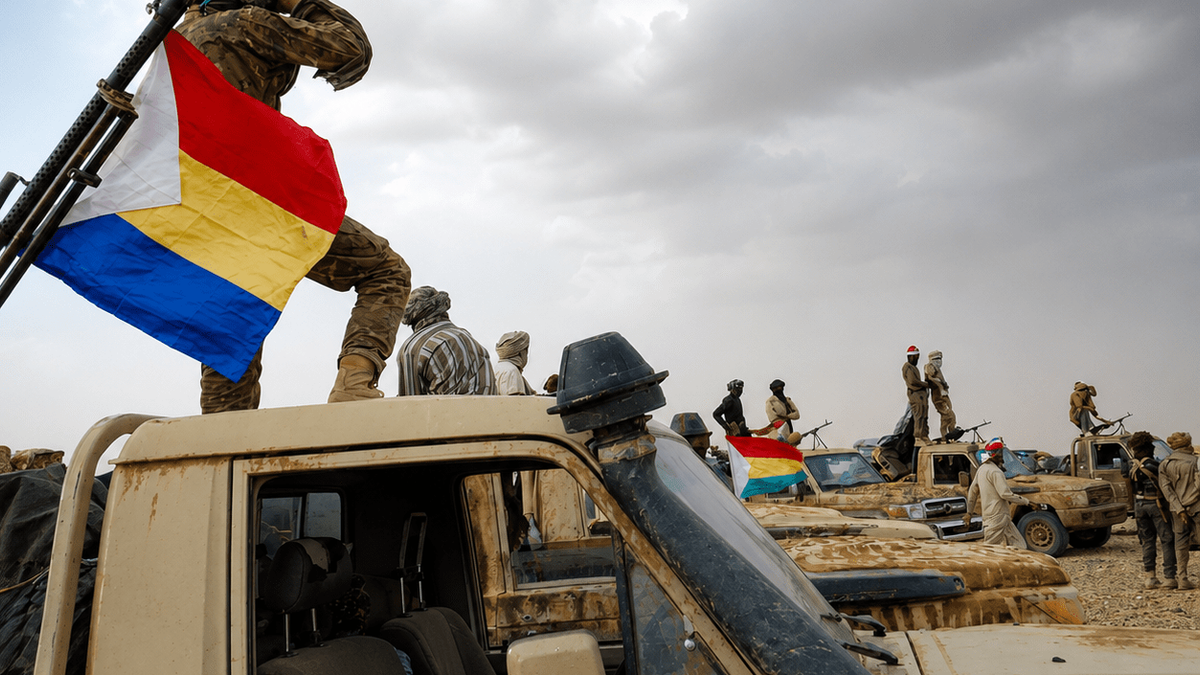
The conflict in northern Mali has entered a new phase, marked by an unprecedented partnership between the Azawad Liberation Front (FLA) and Jama'at Nusrat al-Islam wal-Muslimin (JNIM), an al-Qaeda affiliate. This alliance has reshaped the military landscape, with both groups coordinating attacks and sharing resources to challenge the Malian army and Russia's Africa Corps.
The conflict in northern Mali has its roots in the 2012 rebellion, when separatist movements declared the independence of Azawad. The Malian state and the international community have consistently rejected this claim, leading to years of fighting between the government and northern armed groups. The 2015 Algiers Peace Agreement aimed to end the conflict through greater decentralization and political representation, but its implementation repeatedly faltered.
The partnership between the FLA and JNIM appears to be driven by a shared desire to challenge the Malian state and its external backers, including Russia. The FLA seeks independence for Azawad, while JNIM aims to overthrow the government and establish governance based on its interpretation of Islamic law. Despite their ideological differences, both groups have set aside their differences to confront a common enemy.
The partnership between the FLA and JNIM has significant implications for regional stability. The conflict in northern Mali has already spilled over into neighboring countries, including Burkina Faso and Niger. The involvement of external powers, including Russia, has further complicated the situation, raising concerns about the spread of instability across the Sahel.
The partnership between the FLA and JNIM has created a new military and political reality in northern Mali. The conflict is likely to continue, with both sides dug in and unwilling to compromise. The involvement of external powers has raised the stakes, making it increasingly difficult to find a negotiated settlement. The consequences of this conflict will extend well beyond Mali's borders, with implications for regional stability and global security.
To address the conflict in northern Mali, it is essential to address the competing ambitions of the FLA, JNIM, and the Malian state. A negotiated settlement will require a willingness to compromise on the part of all parties involved. The international community must also play a more active role in supporting a peaceful resolution to the conflict, including providing humanitarian assistance and promoting dialogue between the parties.
The conflict in northern Mali has entered a new phase, marked by an unprecedented partnership between a separatist movement and an al-Qaeda affiliate. The implications of this partnership are significant, with far-reaching consequences for regional stability and global security. To address the conflict, it is essential to address the competing ambitions of the FLA, JNIM, and the Malian state, and to promote a negotiated settlement that takes into account the needs and concerns of all parties involved.
Editor's Note: The analysis is based on publicly available information and may not reflect the full complexity of the situation on the ground.
Source referenced: ALJAZEERA
This brief was synthesized by our Editorial Engine and reviewed by The Ground Narrative team.