TRENDING

Tuesday, 6 October 2026
----------------------
25 Rabi' Al-Thani 1448 AH
French President Emmanuel Macron's expected visit to Syria marks a pivotal moment, signaling the first engagement by a Western head of state since the 2024 ousting of Bashar al-Assad. This diplomatic overture aims to strengthen bilateral ties, foster economic cooperation for reconstruction, and reassert Western influence in a geopolitically critical region.
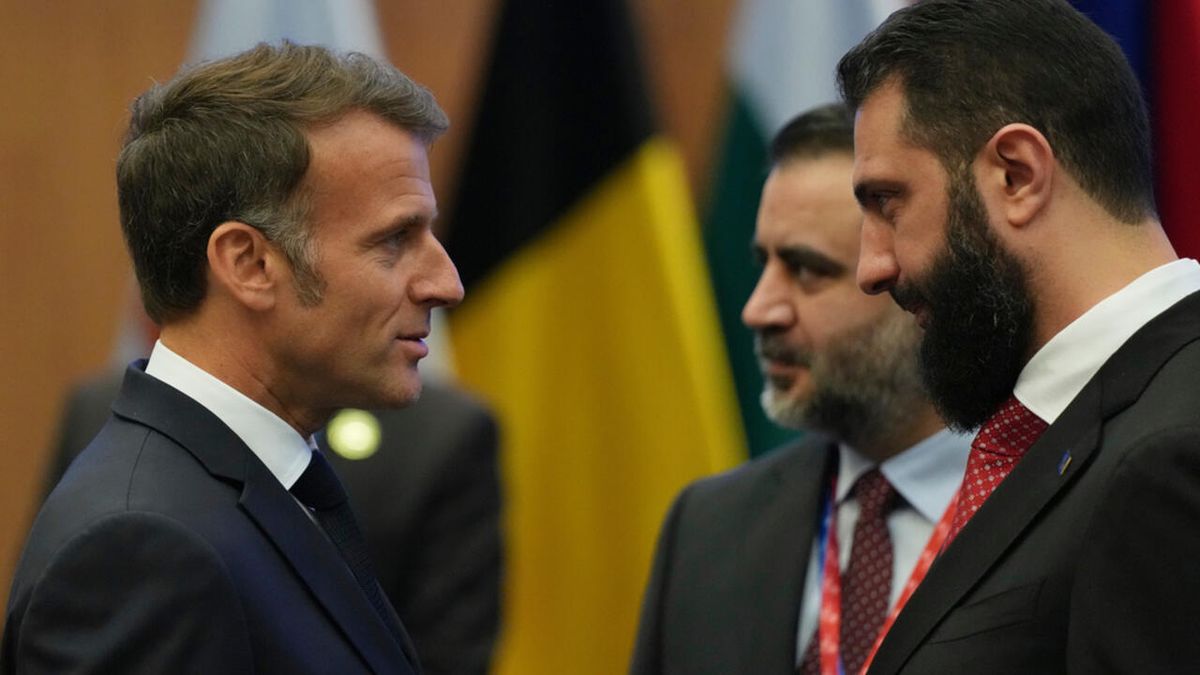
French President Emmanuel Macron is expected to undertake a landmark visit to Syria, as announced by the Syrian presidency on Sunday, July 6, 2026. While the specific date remains undisclosed, this trip will mark the first time a head of state from a major Western power has visited Syria since the ousting of longtime ruler Bashar al-Assad in 2024. This diplomatic initiative signals a significant shift in Western policy towards Syria, moving from years of isolation to a potential era of re-engagement and reconstruction.
The Syrian state news agency SANA, citing the presidency's media office, indicated that the visit aims to "discuss ways of strengthening bilateral relations and issues of common interest." Crucially, Macron is anticipated to be accompanied by a delegation comprising "investors and representatives of French companies," underscoring a strong economic dimension to the visit. Discussions are also slated to cover broader "regional and international" developments, reflecting the complex geopolitical landscape of the Middle East.
France's decision to re-engage with Syria under its new leadership, headed by interim President Ahmad al-Sharaa, is driven by a confluence of strategic interests. Economically, the devastation wrought by over 13 years of civil war has left Syria's infrastructure and industry in ruins, creating immense opportunities for reconstruction. French companies, with their expertise in various sectors, are likely keen to secure a foothold in these rebuilding efforts, potentially positioning France as a key economic partner in post-conflict Syria. This aligns with France's broader economic diplomacy objectives and its historical commercial ties to the Levant.
Diplomatically, Macron's visit represents an attempt to reassert French influence in a region where its presence has diminished since the 2011 uprising. By being the first Western head of state to visit, France positions itself as a proactive player in shaping the new Syrian order and potentially influencing its future trajectory. This move could also be seen as an effort to balance the influence of other regional and global powers—such as Russia, Iran, and Turkey—that have been deeply entrenched in Syria throughout the conflict.
Furthermore, France, as a major European power, has a vested interest in regional stability. A stable and recovering Syria is crucial for addressing issues such as refugee flows, counter-terrorism, and broader security concerns that directly impact Europe. Engaging with the new Syrian authorities could be perceived as a pragmatic step towards fostering this stability and preventing further destabilization in the wider Middle East.
For the new Syrian government under President Ahmad al-Sharaa, Macron's anticipated visit is a significant diplomatic victory. It provides a crucial stamp of international legitimacy and recognition, signaling a departure from the pariah status that characterized the Assad regime. Since Assad's ousting in 2024, the new authorities have been actively seeking to normalize relations with the international community. Prior visits by Qatar's Emir Sheikh Tamim bin Hamad Al-Thani, European Commission chief Ursula von der Leyen, and Ukraine's President Volodymyr Zelensky have paved the way, but a French presidential visit carries particular weight given France's historical ties and its standing within the European Union.
The inclusion of French investors and company representatives in Macron's delegation is particularly vital for Syria. The country is in dire need of foreign capital, technology, and expertise to embark on the monumental task of reconstruction. Securing commitments from a major Western economy like France could unlock further international investment and aid, essential for rebuilding homes, infrastructure, and industries, and for facilitating the return of displaced populations.
Macron's visit underscores a broader, albeit cautious, trend of Western re-engagement with Syria in the post-Assad era. For over a decade, Western policy largely focused on isolating the Assad regime, imposing sanctions, and supporting opposition groups. The 2024 transition has opened a window for a recalibration of these policies, with France seemingly taking a leading role among EU nations in exploring direct diplomatic and economic ties.
However, the path to a stable and unified Syria remains fraught with challenges. The announcement of Macron's visit follows a recent bombing at a Damascus cafe that killed 10 people, highlighting the persistent security threats and internal fragilities facing the new authorities. The task of reunifying a country fractured by civil war, managing diverse internal and external actors, and addressing deep-seated societal divisions will require sustained international support and careful diplomacy.
The visit will also be closely watched by other regional and global powers. How Russia, Iran, and Turkey, all with significant interests and military presences in Syria, react to increased Western engagement will be a critical factor in the evolving geopolitical dynamics of the Levant. The potential for a more balanced international presence in Syria could reshape regional alliances and influence future peace and stability efforts.
In conclusion, President Macron's expected visit to Syria is more than a mere diplomatic formality; it represents a strategic pivot in Western foreign policy towards a post-Assad Syria. It signals a pragmatic recognition of the new political reality and an intent to leverage economic and diplomatic tools to foster stability and secure influence in a region of enduring geopolitical importance. The success of this re-engagement will hinge on the ability of both France and the new Syrian leadership to navigate complex internal challenges and the intricate web of regional and international interests.
Source referenced: FRANCE24
This brief was synthesized by our Editorial Engine and reviewed by The Ground Narrative team.