TRENDING

Saturday, 24 October 2026
----------------------
13 Jumada Al-Awwal 1448 AH
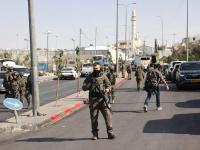
The ongoing war of words between Lebanon and Iran has highlighted the central role Lebanon plays in a ceasefire between Iran and the US, with Israel's latest invasion deepening tensions between the two nations.
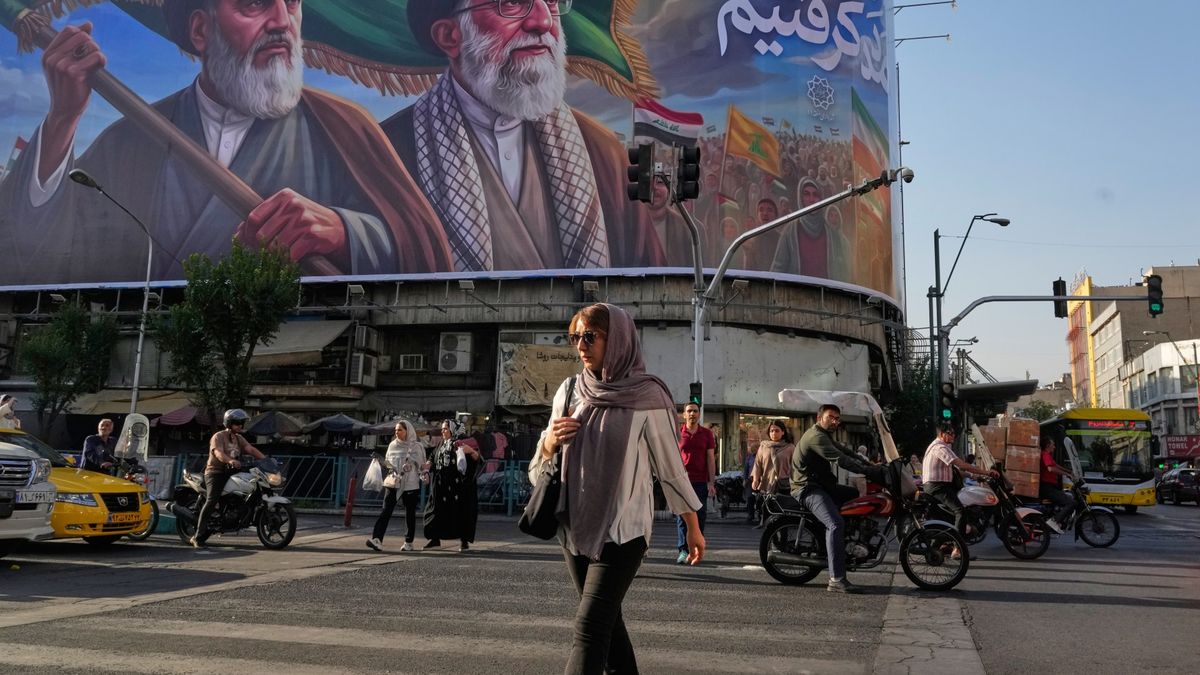
The Israeli invasion of Lebanon has become the latest flashpoint in a complex web of interests between Lebanon, Iran, and Israel. At its core, the conflict revolves around Lebanon's role in a ceasefire between Iran and the US, which has been in place since April. The ceasefire, brokered by Washington, excludes Hezbollah representation and sets conditions for the removal of armed groups south of the Litani River and the establishment of 'pilot zones' in southern Lebanon.
Lebanon's government is seeking exclusive control over weapons in the country, a move that has put it at odds with Hezbollah, which is backed by Iran. The Lebanese government's appeal for an end to foreign interference in the country has been met with resistance from hardliners in Iran, who have called for the government to take action against Israel's occupation of southern Lebanon.
Iran's response to Israel's strike on an alleged Hezbollah site in southern Beirut has been a barrage of missiles at Israel, which has threatened to end the ceasefire between Iran and the US. Tehran has stressed that any long-term peace agreement with the US hinges on Israel's war on Lebanon also ending. Iran's Islamic Revolutionary Guard Corps (IRGC) has warned that there will be no calm in the region if Israel continues its occupation of southern Lebanon.
Hezbollah's opposition to direct talks with Israel and its desire for Iran to play a greater role in mediated talks to end the crisis has led to an increasingly voracious back-and-forth between Beirut and Tehran. Hezbollah's actions have been seen as a challenge to Lebanon's government, which is seeking to assert its authority over the country's armed groups.
The conflict has significant regional implications, with the US military attacking Iranian islands and the IRGC launching missiles and drones at its Central Command (CENTCOM) bases in Kuwait and Bahrain. The situation has elevated the issue to strategic significance, with Iran's hardliners calling for a stronger response to Israel's attacks on Lebanon.
The future consequences of the conflict are uncertain, but it is clear that the situation will continue to escalate unless a peaceful resolution is reached. The US will likely continue to pressure Iran to negotiate a long-term peace agreement, while Iran will seek to maintain its influence in Lebanon and the region. The conflict has the potential to destabilize the entire region, with far-reaching consequences for global security.
The war of words between Lebanon and Iran has become a backdrop for Israel's latest escalation, highlighting the complex web of interests and alliances in the region. The conflict has significant regional implications and the potential to destabilize the entire region. A peaceful resolution is necessary to prevent further escalation and ensure regional stability.
Source referenced: ALJAZEERA
This brief was synthesized by our Editorial Engine and reviewed by The Ground Narrative team.