TRENDING

Monday, 5 October 2026
----------------------
24 Rabi' Al-Thani 1448 AH
Russian drone and missile strikes on Kyiv and surrounding regions have killed at least four people, including a child, as Moscow exploits Ukraine's strained air defenses. Ukraine has retaliated with long-range attacks on Russian energy facilities, fueling a growing fuel crisis.
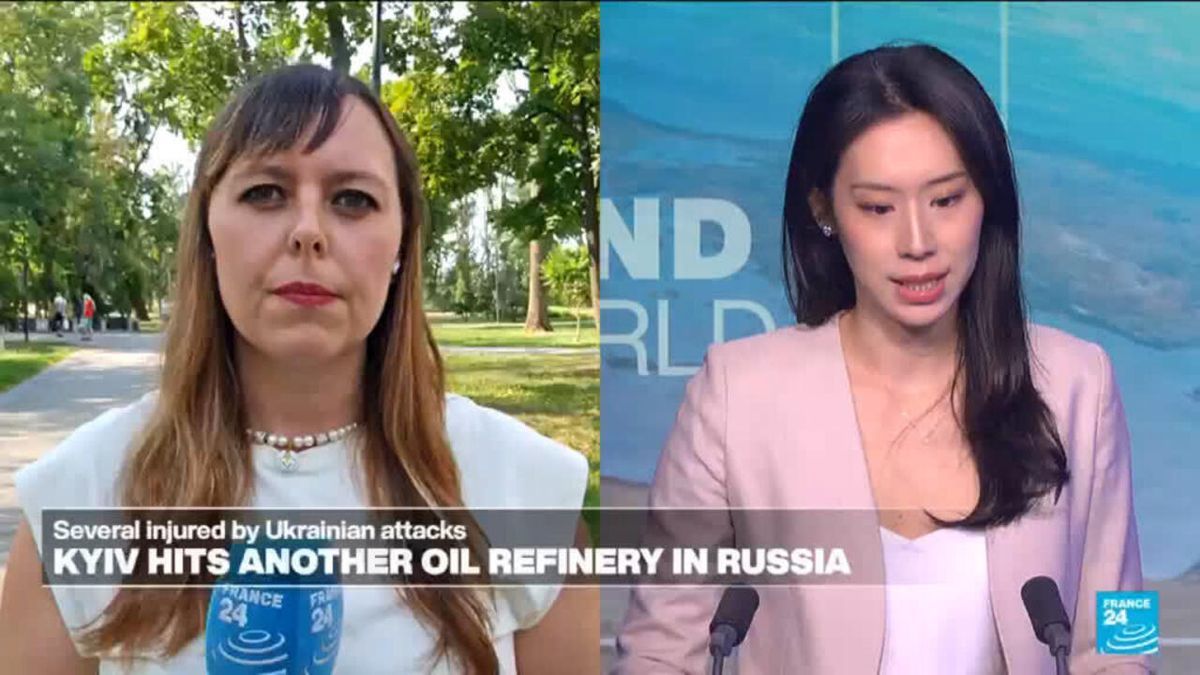
At least four people, including a child, were killed in Russian drone and missile strikes on Kyiv and surrounding regions. These attacks are part of a near-daily barrage by Moscow, targeting Ukraine's strained air defenses. In response, Ukraine has launched long-range attacks on Russian energy facilities, aiming to exacerbate a growing fuel crisis within Russia.
The conflict between Russia and Ukraine is characterized by a complex interplay of military, economic, and diplomatic factors. Russia's relentless attacks on Ukrainian cities, including Kyiv, are designed to weaken Ukraine's resolve and force it to negotiate on Moscow's terms. Ukraine, however, has adopted an asymmetric strategy, utilizing drone technology to target Russian energy infrastructure deep within the country. This approach allows Ukraine to resist Russian aggression without engaging in direct, conventional warfare.
The people of Kyiv and surrounding regions bear the brunt of these attacks. Civilians, including children, are being killed or injured, and the psychological toll of living under constant bombardment cannot be overstated. The humanitarian situation is further complicated by the destruction of critical infrastructure, such as hospitals, schools, and residential buildings. As the conflict escalates, the risk of a broader humanitarian crisis grows, with potential consequences for the entire region.
What is often downplayed in official statements is the significant role of external actors in fueling this conflict. The supply of advanced military hardware to both Russia and Ukraine by various countries has contributed to the escalation of violence. Furthermore, the international community's inability to broker a lasting peace agreement has allowed the conflict to simmer, with devastating consequences for civilians. The focus on military solutions rather than diplomatic engagement has led to a cycle of violence that seems impossible to break.
As the situation continues to deteriorate, several factors will be crucial in determining the trajectory of the conflict. The ability of Ukraine's air defenses to withstand Russian attacks will be a key indicator of the country's resilience. Additionally, the impact of Ukraine's long-range attacks on Russian energy facilities will be closely monitored, as this could potentially lead to a significant escalation of the conflict. The international community's response, particularly from major powers like the United States, China, and the European Union, will also be critical in shaping the outcome of this crisis. Will they prioritize diplomatic efforts to achieve a ceasefire, or will they continue to support their respective allies, thereby perpetuating the cycle of violence?
Editor's Note: The analysis is based on publicly available information and may not reflect the full complexity of the situation on the ground.
Source referenced: FRANCE24
This brief was synthesized by our Editorial Engine and reviewed by The Ground Narrative team.


