TRENDING

Monday, 5 October 2026
----------------------
24 Rabi' Al-Thani 1448 AH
Mexican authorities have confirmed the identity of journalist Roxana Guzman, whose remains were found in Veracruz, leading to the arrest of eight individuals, including four municipal police officers. This incident underscores Mexico's severe challenges with press freedom, institutional corruption, and the pervasive influence of organized crime.
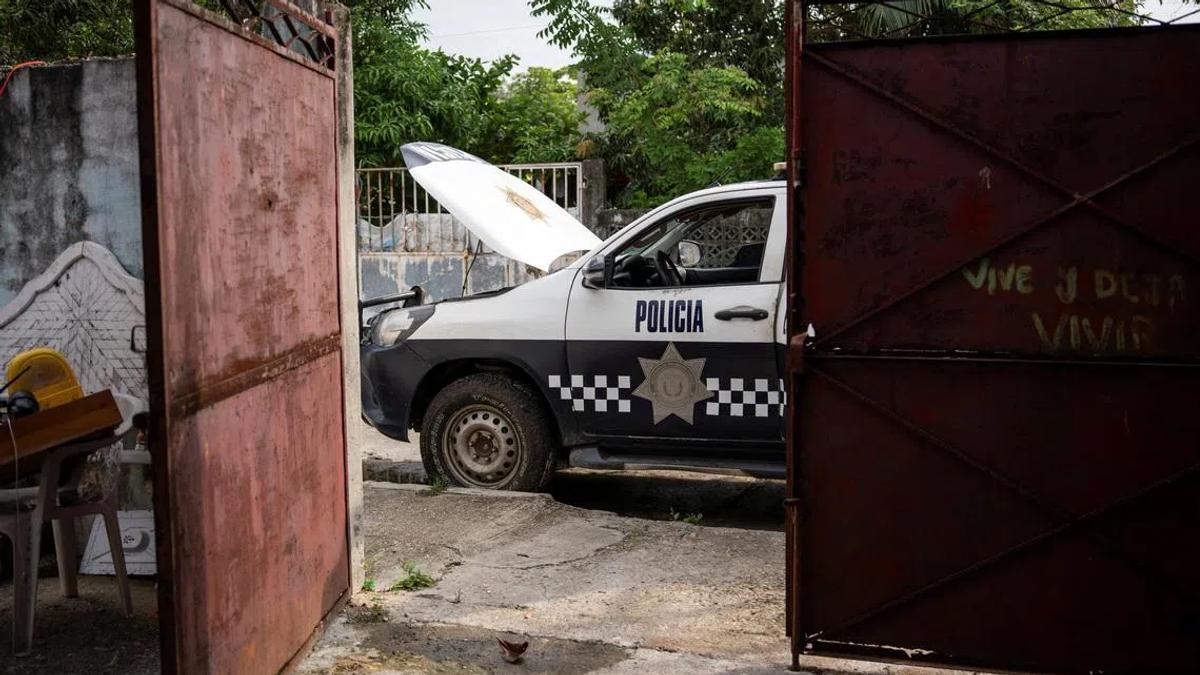
The identification of journalist Roxana Guzman's remains in Mexico's eastern state of Veracruz, coupled with the subsequent arrest of eight individuals—notably including four municipal police officers—has cast a stark light on the profound challenges facing press freedom and the rule of law in the country. This tragic event, reported on July 4, 2026, by Mexican authorities, serves as a grim reminder of Mexico's unenviable status as one of the world's most perilous nations for journalists, where the lines between state actors and criminal enterprises often appear dangerously blurred.
Roxana Guzman, director of the crime news outlet *Pulso Informativo del Sureste*, was forcibly abducted from her home on June 2 by armed, masked assailants. Video footage of the incident, which depicted the men breaking down her front door, circulated widely on social media, highlighting the brazen nature of the attack. Local reports indicated that after her killing, the perpetrators attempted to dispose of her body by dissolving it in fuel-filled drums, a method often associated with organized crime groups seeking to eliminate evidence. Skeletal remains were later recovered from the property, and forensic tests conducted by the Veracruz state prosecutor's office definitively confirmed their identity as Guzman's.
The most alarming development in this case is the alleged involvement of four municipal police officers from Ixhuatlan del Sureste, a town approximately 300 kilometers south of Veracruz city. Prosecutors assert that these officers provided crucial resources, food, and logistical support to the criminal group responsible for Guzman's kidnapping and murder. This alleged complicity of state security forces with criminal elements is not an isolated incident in Mexico but rather a systemic issue that profoundly undermines public trust in institutions and the state's capacity to protect its citizens.
The involvement of law enforcement in such heinous crimes exacerbates the climate of impunity that enables violence against journalists. When those sworn to uphold the law are implicated in its violation, it sends a chilling message to those who seek to expose corruption and crime, effectively silencing critical voices and eroding the very foundations of a democratic society. This dynamic creates an environment where criminal organizations can operate with greater confidence, knowing they may have allies within the state apparatus.
Mexico's struggle with press freedom is well-documented. According to the rights group Article 19, Guzman's killing marks the third journalist murdered this year in connection with their work. More broadly, the organization reports that ten journalists have been killed since President Claudia Sheinbaum took office in October 2024. These statistics underscore the immense challenge facing the new administration in curbing violence and ensuring justice, particularly for those who report on sensitive issues such as organized crime and corruption.
The persistent targeting of journalists has significant geopolitical implications. It not only damages Mexico's international reputation but also signals a weakening of democratic institutions and the rule of law. A free and independent press is a cornerstone of any functioning democracy, providing accountability and transparency. When journalists are systematically threatened and killed, the public's right to information is curtailed, and the ability to hold power accountable is severely compromised. This situation can deter foreign investment, strain diplomatic relations, and contribute to broader regional instability, particularly given Mexico's strategic importance as a neighbor to the United States.
The arrests in the Guzman case, particularly of police officers, represent a critical step towards accountability, yet they also highlight the depth of the problem. For Mexico to effectively address this crisis, a multi-faceted approach is required. This includes not only prosecuting those directly involved in crimes against journalists but also undertaking comprehensive institutional reforms to root out corruption within law enforcement and the judiciary. Strengthening protection mechanisms for journalists, ensuring swift and impartial investigations, and fostering a culture of respect for press freedom are paramount.
Ultimately, the killing of Roxana Guzman is more than a tragic individual event; it is a stark indicator of the systemic challenges Mexico faces in consolidating its democratic institutions, combating organized crime, and upholding fundamental human rights. The international community will continue to watch closely, as Mexico's ability to protect its journalists and dismantle networks of corruption will be a key measure of its commitment to justice and democratic principles.
Source referenced: STRAITSTIMES
This brief was synthesized by our Editorial Engine and reviewed by The Ground Narrative team.


