TRENDING

Sunday, 15 November 2026
----------------------
5 Jumada Al-Thani 1448 AH
A Jordanian court has sentenced three men to death for a deadly church attack in Karak, killing nine people and wounding 25. The swift verdict signals the kingdom's resolve to project stability amidst regional volatility.
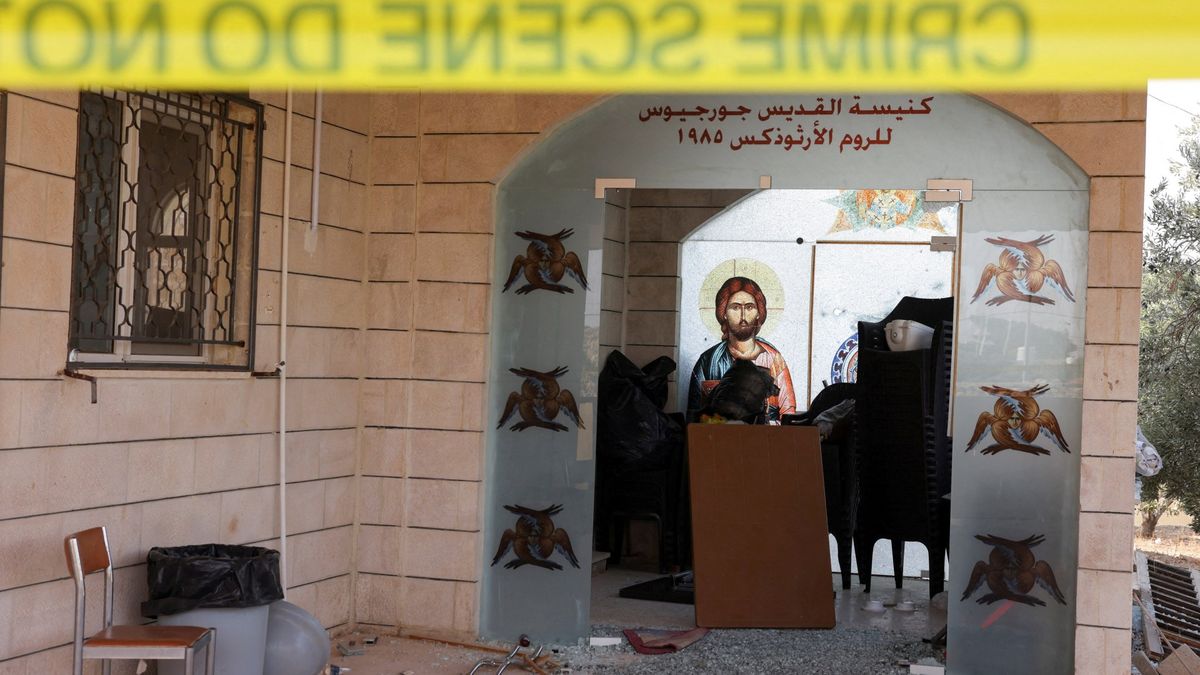
In a decisive move by the Jordanian authorities, a State Security Court has sentenced three men to death by hanging for their involvement in a deadly gun attack on a Greek Orthodox church in Hammoud village, within the southern Karak governorate. The attack, which occurred on October 23, resulted in the deaths of nine people and left 25 wounded during a funeral service. The accused—two Jordanian brothers and a relative by marriage—were arrested three days after the incident following clashes with security forces. They were found guilty of multiple charges, including committing terrorist attacks resulting in death, weapons offences, conspiracy to commit terrorist acts, and promoting the ideas of a terrorist organization, with one perpetrator also convicted of providing funds for the acts.
The swift and severe sentencing in the Karak church attack is a clear demonstration of the Jordanian monarchy's core strategy for survival: projecting an image of absolute stability and control, both internally and externally. King Abdullah II's regime operates in a perpetually volatile neighborhood, bordered by conflicts in Syria, Iraq, and the ongoing Palestinian-Israeli crisis. In such an environment, any perceived internal weakness or sectarian strife can quickly spiral, inviting external interference or fostering domestic unrest.
The use of the State Security Court rather than a civilian judicial process underscores the urgency and political significance of the verdict. These courts are instruments designed for rapid, decisive action in cases deemed vital to national security, often operating with procedures that prioritize state interests over individual due process. By delivering death sentences so quickly, Amman sends an unequivocal message: the state will tolerate no challenge to its authority, particularly those that target religious minorities or threaten the delicate fabric of Jordanian society. This swift justice serves multiple purposes:
- Deterrence: It aims to dissuade other potential extremist actors by demonstrating the severe consequences of such actions.
- Legitimacy: It reinforces the monarchy's role as the ultimate guarantor of security and order for all its citizens, including the Christian minority, who constitute a significant, albeit smaller, portion of the population.
- International Credibility: For a nation heavily reliant on foreign aid and strategic partnerships, particularly with the United States and European Union, demonstrating robust counter-terrorism capabilities is paramount. A strong response to a terror attack reassures international allies that Jordan remains a reliable partner in regional security, thereby securing continued financial and military support.
- Internal Cohesion: Attacks on religious sites can easily ignite sectarian tensions. By acting decisively against the perpetrators, the government attempts to contain such divisions and prevent them from undermining national unity, which is crucial for the monarchy's hold on power.
The underlying power dynamic is one of a state balancing internal pressures—economic hardship, unemployment, and localized grievances that can fuel radicalization—with external threats and the need to maintain an image of stability to secure its position on the global stage. The King's personal pledge for the
Source referenced: ALJAZEERA
This brief was synthesized by our Editorial Engine and reviewed by The Ground Narrative team.


