TRENDING

Sunday, 15 November 2026
----------------------
5 Jumada Al-Thani 1448 AH
Belgium and Chile announced a joint bid to host the BBNJ secretariat, prompting China to flag six procedural violations. The dispute reveals deeper power plays over ocean governance and the communities that depend on it.
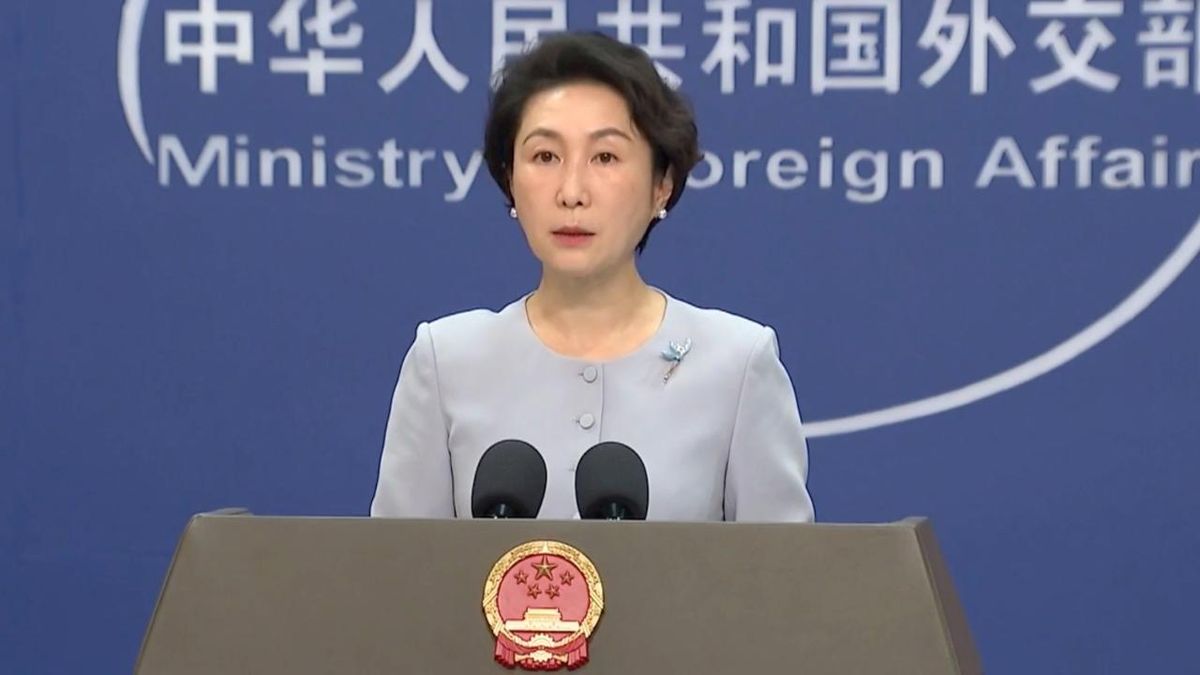
On November 6, Belgium and Chile unveiled a joint proposal to locate the secretariat of the Agreement on Marine Biodiversity of Areas Beyond National Jurisdiction (BBNJ) in Valparaíso, Chile, while placing the information‑exchange mechanism and subsidiary body meetings in Brussels. Within days, China’s foreign ministry listed six “non‑conformities” with the treaty’s rules, arguing that the bid sidesteps the Conference of the Parties (COP) decision‑making process. Beijing also put forward Xiamen in Fujian Province as an alternative host, quickly rallying support from a majority of parties.
The BBNJ treaty, finalized in 2023, is the first global framework to manage biodiversity in the high seas—areas beyond any nation’s exclusive economic zone. Its secretariat is meant to be a neutral hub for scientific data, policy coordination, and capacity‑building. By law, the COP decides the secretariat’s location, and the treaty expects the host to provide both substantive and procedural functions in a single, co‑located site.
Belgium’s proposal to split the secretariat’s core functions across two continents creates a logistical puzzle. Brussels already hosts a dense network of EU and NATO institutions, giving Belgium a ready‑made diplomatic infrastructure. For Chile, the offer promises prestige and a boost to its maritime research sector, positioning the country as a bridge between the Global South and the high‑tech North.
China’s objection is framed in procedural language, but the underlying motive is clear: securing a foothold in the governance of the world’s commons. By nominating Xiamen, a major port city with existing marine science facilities, China can showcase its technical capacity while reinforcing its narrative of “South‑South cooperation.” The swift rally of support—particularly from developing nations that view China as a counterweight to Western dominance—illustrates how treaty venues become arenas for broader great‑power competition.
Control over the secretariat translates into influence over data standards, funding allocations, and the agenda for future marine protected areas. Nations with strong offshore fishing fleets or nascent deep‑sea mining interests stand to shape rules that affect their commercial prospects. For China, whose Belt and Road Initiative now includes maritime infrastructure, hosting the secretariat could dovetail with its broader “Blue Economy” ambitions, linking scientific authority with commercial expansion.
If the secretariat’s substantive work remains in Valparaíso, local universities and research institutes could receive new funding, training, and equipment. However, the split model risks diverting critical staff and resources to Brussels, leaving Chilean scientists with limited access to the decision‑making core. Small‑scale fishers, already grappling with over‑exploitation and climate‑induced stock shifts, may see little improvement in management measures that directly affect their livelihoods.
Many Global South parties rely on the BBNJ framework to protect migratory species that pass through their exclusive economic zones. A secretariat anchored far from the Pacific and Atlantic coasts could exacerbate the “digital divide” China mentions, making it harder for remote ministries to participate in real‑time data exchanges. The cost of travel to Brussels for subsidiary meetings may be prohibitive, effectively silencing voices that need the treaty most.
A secretariat brings a modest but stable stream of international staff, conference organizers, and support services. In Xiamen, the promise of a new diplomatic enclave could generate jobs in hospitality, translation, and IT. Conversely, Valparaíso might see only a fraction of those benefits if the bulk of the secretariat’s budget and personnel are stationed in Brussels, leaving local economies with unmet expectations.
China’s six‑point critique reads like a checklist of procedural fairness, yet it omits any reference to the strategic advantage of controlling the narrative around high‑seas biodiversity. By emphasizing “geographic balance” and “fair competition,” Beijing frames the debate as a matter of equity, while the underlying goal is to prevent a Euro‑American axis from monopolizing marine governance.
Belgium has not publicly detailed how it intends to fund the split arrangement or how it will mitigate the increased logistical costs. The proposal was announced without prior consultation of the broader COP membership, suggesting a calculated gamble that European allies will back the plan in exchange for diplomatic goodwill.
Historically, Chile positioned itself as a champion of the Global South within the BBNJ negotiations. By aligning with a European partner on a bid that could marginalize developing nations, Santiago risks alienating the very coalition that helped it secure a seat at the treaty table. This pivot is downplayed in official statements that stress “regional cooperation” while ignoring the potential loss of influence for smaller coastal states.
- COP decision timeline – The next COP session, slated for mid‑2027, will vote on the secretariat location. Watch for any procedural amendments that could legitimize a split model.
- Funding pledges – Both Belgium and China are likely to announce financial packages to sweeten their bids. The size and conditions of those pledges will signal which bloc can out‑spend the other.
- Developing‑nation bloc dynamics – Observe whether African, Caribbean, and Pacific groups coalesce around China’s proposal or fracture over concerns of European dominance.
- Marine research collaborations – New joint projects announced by Xiamen universities or Chilean institutes could indicate where the real expertise and data pipelines will flow.
- Domestic reactions – Protests or support movements in Valparaíso and Xiamen will reveal how local populations perceive the geopolitical tug‑of‑war over a treaty meant to protect their seas.
The outcome will shape not only the administrative map of ocean governance but also the balance of power among nations vying for influence over the planet’s most expansive and least regulated ecosystem.
China cites six procedural violations, arguing the bid bypasses the COP’s decision‑making process, splits functions across continents, and threatens geographic balance. The objection also serves Beijing’s strategic aim to secure influence over high‑seas governance.
Chile could gain international prestige, increased funding for marine research, and job creation in the local economy. However, a split arrangement may limit these gains if core functions remain in Brussels.
Source referenced: CGTN
This brief was synthesized by our Editorial Engine and reviewed by The Ground Narrative team.