TRENDING

Monday, 5 October 2026
----------------------
24 Rabi' Al-Thani 1448 AH
Japanese politicians' visits to the Yasukuni Shrine, a symbol of Japanese militarism, have sparked opposition in Japan and South Korea, highlighting the unresolved historical grievances between the two nations. The visits have been criticized for glorifying Japan's wars of aggression and undermining mutual trust between Japan and South Korea.
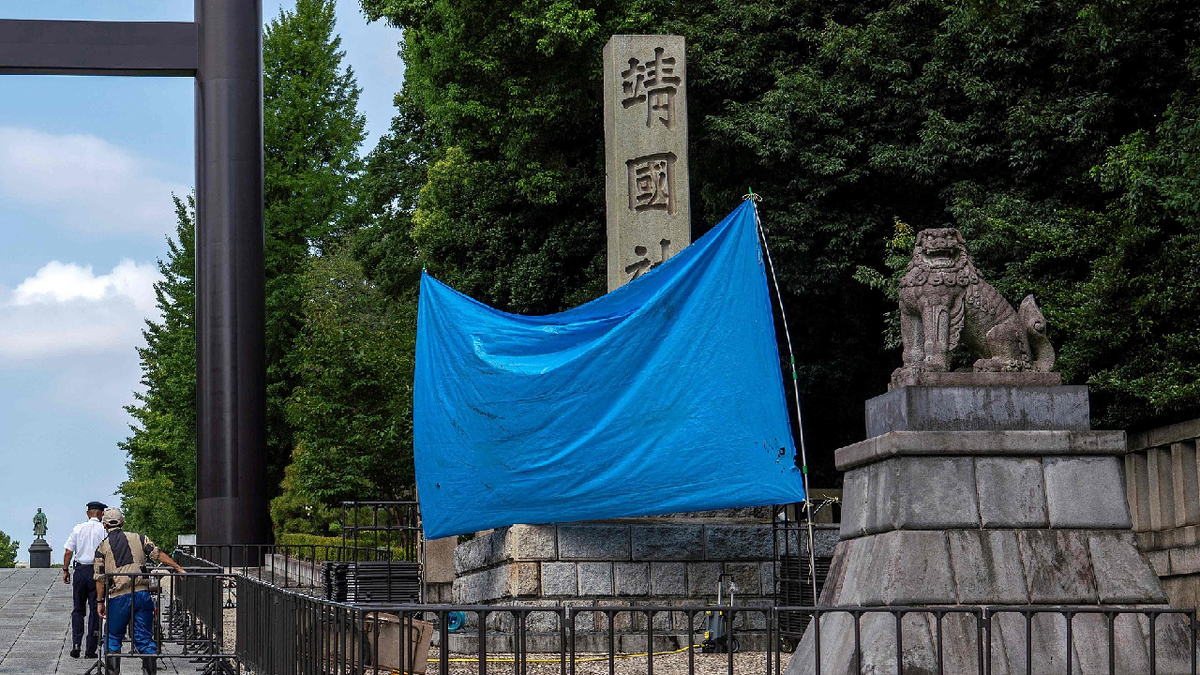
Japanese politicians, including Defense Minister Shinjiro Koizumi, visited the Yasukuni Shrine on the 81st anniversary of Japan's unconditional surrender in World War II, drawing strong opposition from Japanese peace advocates and South Korean lawmakers. The shrine is a symbol of Japanese militarism and wartime aggression, and its visits are seen as a provocation by neighboring countries.
The visits to the Yasukuni Shrine reflect a rightward shift in Japanese politics, with the ruling Liberal Democratic Party (LDP) endorsing the ideological roots of Japan's past wars of aggression. This shift is driven by nationalist sentiments and a desire to revise Japan's post-war constitution, which has limited the country's military capabilities. The LDP's stance on the Yasukuni Shrine visits also serves as a signal to its conservative base, reinforcing its commitment to Japanese nationalism.
The visits to the Yasukuni Shrine have a profound impact on the people of Japan and South Korea, particularly those who suffered during World War II. The shrine's glorification of Japan's wars of aggression desecrates the memory of those who died in the war, and the visits are seen as a betrayal of the trust between Japan and South Korea. The Korean people, in particular, feel that Japan has failed to acknowledge its wartime atrocities, including the forced labor and comfort women issues.
What is often downplayed in the discussion of the Yasukuni Shrine visits is the role of the United States in shaping Japan's post-war identity. The US occupation of Japan after World War II influenced the country's constitution and war crimes trials, which limited Japan's ability to come to terms with its wartime past. The US has also maintained a strategic alliance with Japan, which has enabled Japan's military expansion and complicated its relationships with neighboring countries.
As Japan continues to navigate its relationships with South Korea and China, the Yasukuni Shrine visits will remain a point of contention. Readers should watch for further developments in Japan's military expansion, including its plans to acquire new defense capabilities and strengthen its alliances with the US and other countries. The Korean people's response to Japan's actions will also be crucial, as they demand acknowledgment of Japan's wartime atrocities and seek compensation for their suffering.
Editor's Note: The analysis is based on publicly available information and may not reflect the full complexity of the issue.
Source referenced: CGTN
This brief was synthesized by our Editorial Engine and reviewed by The Ground Narrative team.


