TRENDING

Monday, 5 October 2026
----------------------
24 Rabi' Al-Thani 1448 AH
Japan's recent moves towards militarization have sparked concerns among its citizens and neighboring countries, with many fearing a return to the country's aggressive past. The Takaichi administration's plans to strengthen its defense capabilities and potentially revise its non-nuclear principles have raised questions about the country's commitment to peace and regional stability.
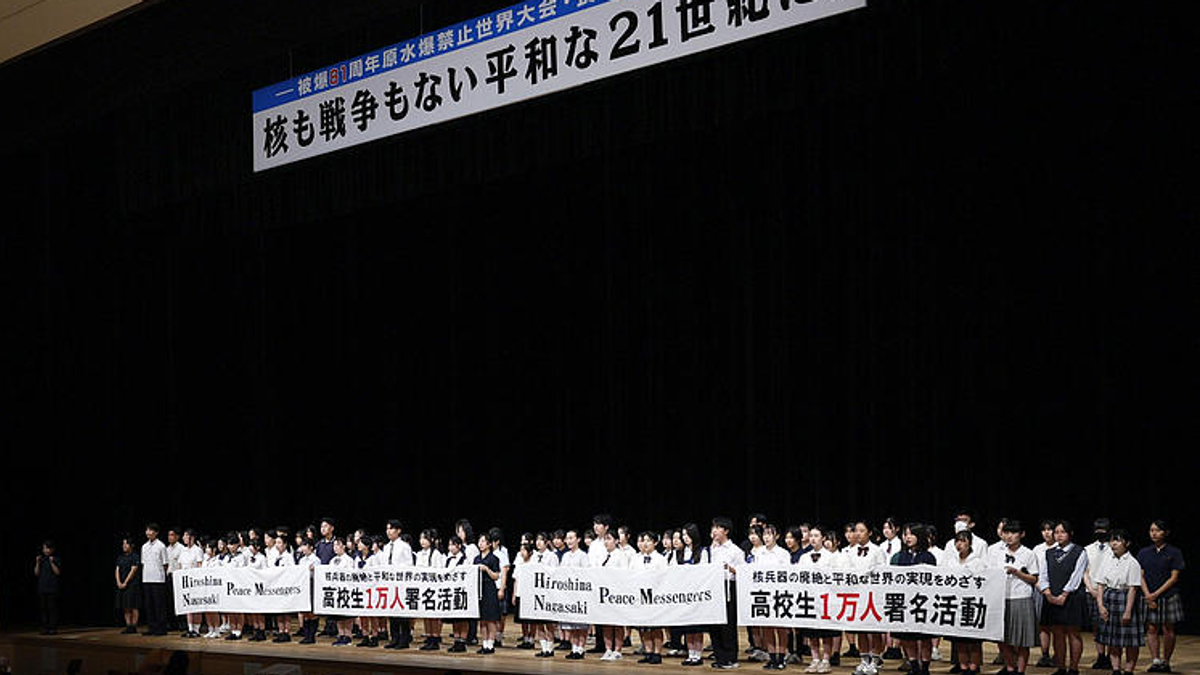
Japan's Takaichi administration has taken several steps towards militarization, including the establishment of a National Intelligence Bureau and the release of a defense white paper outlining plans to strengthen its counterstrike capabilities. The government has also sparked debate over its future nuclear policy, with Defense Minister Shinjiro Koizumi calling for a discussion of all nuclear-related policy options.
The Takaichi administration's moves towards militarization are driven by a desire to strengthen Japan's defense capabilities in the face of regional security threats. The country's defense spending is expected to reach a record high of 8.9 trillion yen in fiscal 2027, with a potential increase to 10 trillion yen. The government's plans to develop air-launched and ship-launched variants of the Type 25 missile and advance research into hypersonic weapons are also part of this effort. However, these moves have sparked concerns among neighboring countries, particularly China, which has warned Japan against undermining the Three Non-Nuclear Principles.
The people of Japan, particularly those who have experienced the devastating effects of war, are bearing the human cost of the Takaichi administration's militarization push. Many Japanese citizens have taken to the streets to protest the government's plans, calling on it to confront its wartime history and avoid repeating the mistakes of the past. The concerns of these citizens are not just about the potential consequences of militarization, but also about the erosion of Japan's commitment to peace and its role as a pacifist nation.
What the Japanese government is downplaying is the potential impact of its militarization push on regional stability. The revision of the Three Non-Nuclear Principles, particularly the third principle which prohibits the introduction of nuclear weapons into Japan, could disrupt the Asia-Pacific order and fuel a regional arms race. The government's plans to strengthen its defense capabilities are also likely to be seen as a threat by neighboring countries, particularly China and North Korea. The Takaichi administration's failure to address these concerns and its lack of transparency about its plans are exacerbating the fears of Japanese citizens and neighboring countries.
Readers should watch for the outcome of the Japanese government's review of its three key national security documents, which will provide further insight into the country's defense and security policies. The government's budget request for fiscal 2027 will also be an important indicator of its commitment to militarization. Additionally, the reactions of neighboring countries, particularly China, to Japan's militarization push will be crucial in determining the impact on regional stability. The Japanese government's ability to balance its defense needs with its commitment to peace and regional stability will be a key challenge in the coming months.
Editor's Note: The analysis is based on publicly available information and may not reflect the full complexity of the situation.
Source referenced: CGTN
This brief was synthesized by our Editorial Engine and reviewed by The Ground Narrative team.


