TRENDING

Saturday, 24 October 2026
----------------------
13 Jumada Al-Awwal 1448 AH
Overnight Israeli military operations in Az-Zawayda, central Gaza, have resulted in widespread destruction and the highest death toll in six months, signaling a significant escalation in the ongoing conflict. This intensification exacerbates the dire humanitarian situation and carries profound regional and international diplomatic implications.
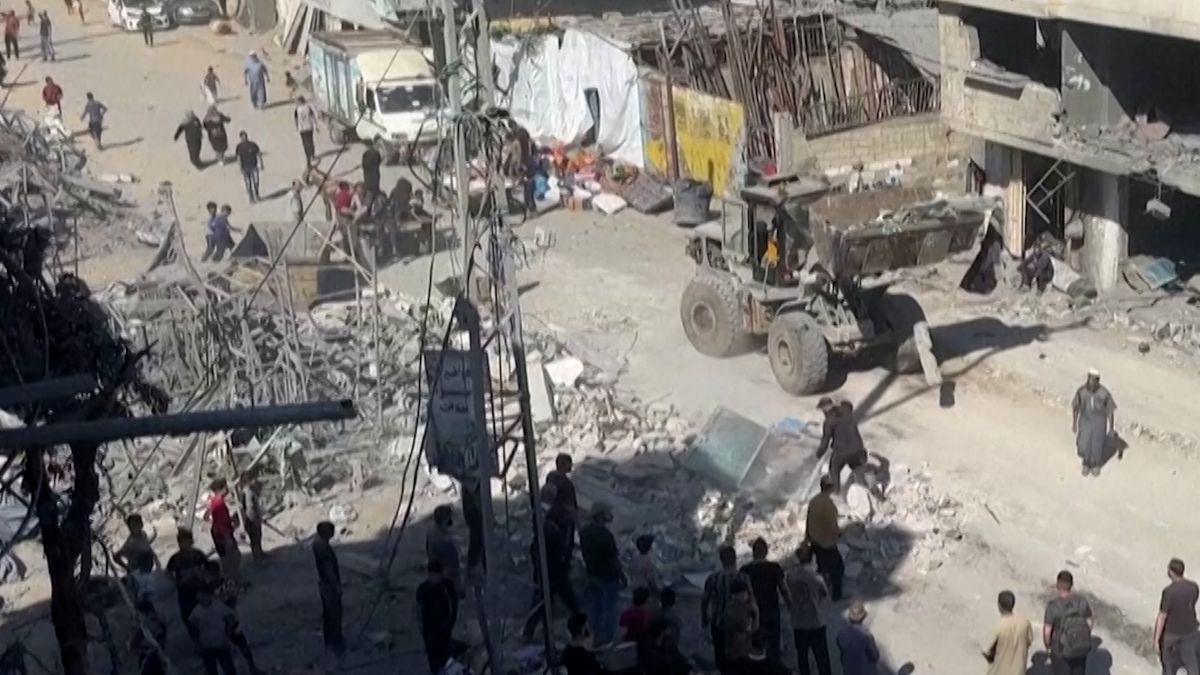
Overnight Israeli military strikes in Az-Zawayda, located in central Gaza, have led to extensive destruction of residential areas and a significant loss of life, marking a notable intensification of military operations in the region. Published on June 5, 2026, reports indicate that families in Az-Zawayda are now engaged in clearing rubble from homes that were entirely destroyed, underscoring the immediate and devastating impact on civilian infrastructure and livelihoods.
The latest attacks come amidst a period where Gaza has recorded its highest death toll in six months, signaling a critical phase in the protracted conflict. This surge in casualties and destruction highlights a concerning escalation, challenging efforts towards de-escalation and stability in the besieged enclave.
The intensification of Israeli military operations in Gaza, as evidenced by the strikes in Az-Zawayda, reflects a continued pursuit of strategic objectives within the broader Israeli-Palestinian conflict. While the specific targets or immediate triggers for these particular overnight strikes were not detailed in the initial reports, such operations are typically framed by Israel as responses to security threats, aiming to dismantle militant infrastructure or prevent hostile actions emanating from the territory. The phrase "military operations intensify" suggests either a renewed offensive push, a response to recent developments, or a sustained high-intensity phase of the conflict.
The fact that Gaza is experiencing its highest death toll in half a year underscores the severity and sustained nature of the current military engagement. This metric is a critical indicator of the human cost and the scale of violence, suggesting that previous periods of relative calm or lower intensity have given way to a more aggressive operational tempo. Such escalations often occur in cycles, driven by perceived security imperatives, retaliatory actions, or shifts in strategic calculations by the involved parties.
The immediate aftermath of the strikes in Az-Zawayda vividly illustrates the profound humanitarian consequences of the conflict. Families sifting through the debris of their destroyed homes represent the direct impact on civilian populations, who consistently bear the brunt of military actions. The destruction of entire buildings not only displaces residents but also exacerbates the already dire living conditions in Gaza, where infrastructure, housing, and essential services have been severely degraded by years of conflict and blockade.
An elevated death toll, particularly one reaching a six-month high, signifies a tragic increase in civilian casualties, further deepening the humanitarian crisis. This situation places immense strain on Gaza's overwhelmed healthcare system and humanitarian aid organizations, which struggle to provide adequate relief amidst ongoing hostilities and access restrictions. The long-term psychological and social impacts on the affected communities, particularly children, are also profound and enduring.
The intensification of military operations in Gaza carries significant geopolitical and diplomatic implications. Regionally, continued escalation risks destabilizing an already volatile Middle East, potentially drawing in other state and non-state actors. It complicates efforts by international mediators to broker ceasefires or long-term peace agreements, as renewed violence often erodes trust and hardens positions.
Internationally, a rising death toll and widespread destruction typically lead to increased scrutiny and condemnation from global bodies and human rights organizations. This can exert diplomatic pressure on Israel, potentially affecting its international standing and relations with key allies. Conversely, it also highlights the persistent challenges faced by the international community in finding a durable resolution to the Israeli-Palestinian conflict, often leading to renewed calls for a ceasefire, humanitarian access, and a political pathway forward. The cycle of violence undermines prospects for regional stability and peace, perpetuating a state of chronic insecurity and human suffering that resonates far beyond the immediate conflict zone.
Source referenced: ALJAZEERA
This brief was synthesized by our Editorial Engine and reviewed by The Ground Narrative team.


