TRENDING

Monday, 5 October 2026
----------------------
24 Rabi' Al-Thani 1448 AH
Israeli settler attacks on Palestinians in the occupied West Bank have intensified, trapping families in their homes and sparking fears of further escalation. As Israel's far-right government faces elections, the international community is calling for action to stop the violence. But what are the underlying power dynamics driving these attacks, and who is paying the price?
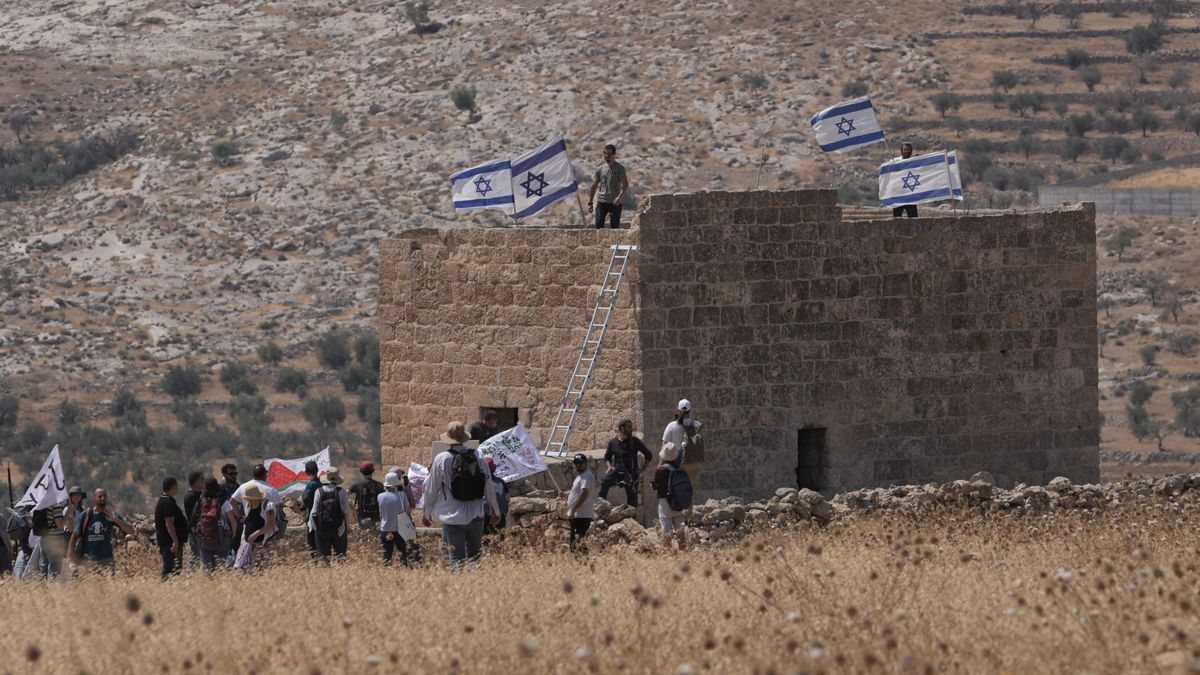
Violence in the occupied West Bank has surged under Israel's far-right Netanyahu government, with Israeli settler attacks on Palestinians increasing in frequency and severity. The attacks have left Palestinian families trapped in their homes, fearing for their safety and livelihoods. The escalation comes as Israel's government faces elections in October, prompting concerns that the violence may be politically motivated.
The intensification of settler attacks can be attributed to the far-right ideology of Israel's current government, which has emboldened settlers and created an environment of impunity. The government's incentivization of settlement expansion has also led to increased tensions between settlers and Palestinians, as both groups compete for land and resources. Furthermore, the lack of accountability for settler violence has allowed attacks to go unpunished, perpetuating a cycle of violence.
The human cost of the escalating violence is borne by Palestinian families, who are forced to live in constant fear of attack. The psychological trauma caused by the violence can have long-lasting effects on individuals and communities, exacerbating existing social and economic challenges. The attacks also disrupt livelihoods, as Palestinians are unable to access their lands, workplaces, and essential services.
While the international community condemns the violence, powerful actors are downplaying the root causes of the conflict, including the expansion of settlements and the occupation of Palestinian territories. The role of external actors, such as the United States, in enabling Israel's settlement policy is also being overlooked. By failing to address these underlying issues, the international community is perpetuating a cycle of violence that will continue to harm Palestinian civilians.
As Israel's elections approach, readers should watch for further escalation of violence, as well as potential shifts in government policy. The international community's response to the violence will also be crucial, with diplomatic efforts needed to address the root causes of the conflict. Ultimately, a just and lasting resolution to the Israeli-Palestinian conflict will require a fundamental transformation of the power dynamics driving the violence,
Editor's Note: The analysis is based on publicly available information and may not reflect the full complexity of the situation on the ground.
Source referenced: ALJAZEERA
This brief was synthesized by our Editorial Engine and reviewed by The Ground Narrative team.


