TRENDING

Thursday, 8 October 2026
----------------------
27 Rabi' Al-Thani 1448 AH
The next round of critical border talks between Israel and Lebanon is slated to convene in Rome, marking a significant diplomatic shift following previous ambassador-level discussions in Washington. These negotiations aim to address long-standing security issues and border disputes, particularly in southern Lebanon, where Israeli forces continue operations against Hezbollah.
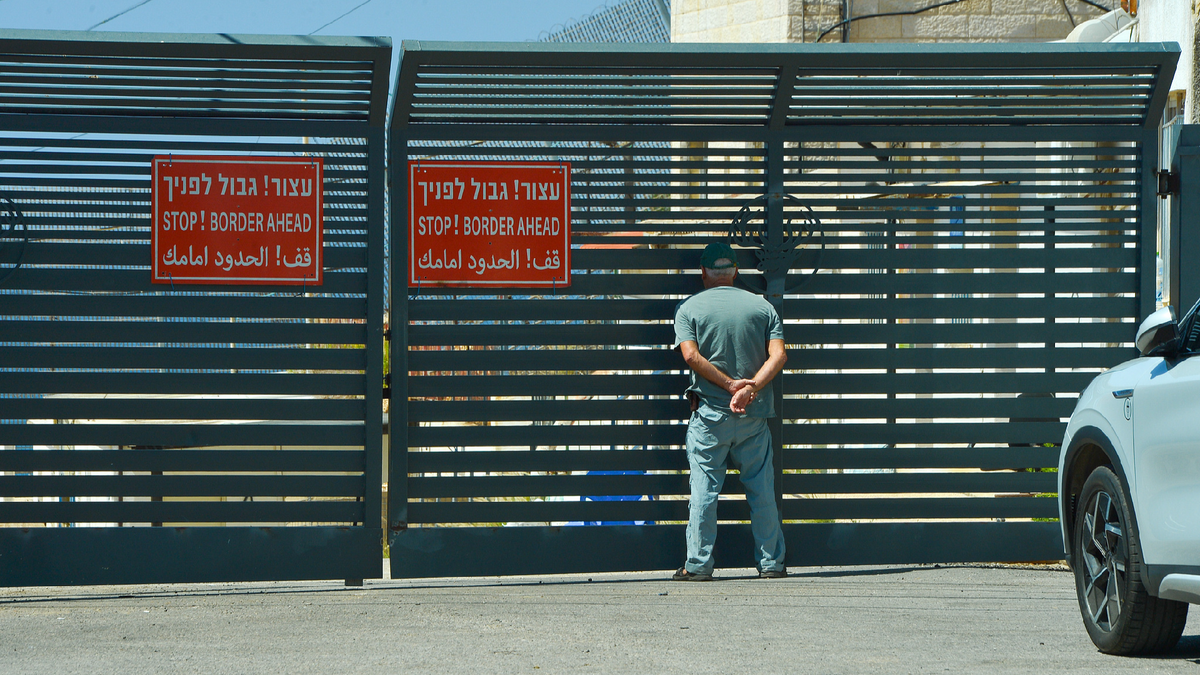
In a notable development for Middle Eastern diplomacy, the next round of negotiations between Israel and Lebanon is scheduled to take place in Rome, Italy, next week. This upcoming meeting, confirmed by Israeli Foreign Minister Gideon Sa'ar, will represent the sixth round of talks between the two nations, which technically remain in a state of war. The relocation of these discussions from Washington, D.C., where five previous ambassador-level talks were held since April, signals a potential broadening of international engagement or a search for a more neutral diplomatic venue.
The announcement, made by Sa'ar during a meeting in Jerusalem with his German counterpart Johann Wadephul, underscored Israel's stated objective: a desire for peace with its neighbors, contingent upon robust security guarantees. While an exact date for the Rome talks was not specified by Sa'ar, Israeli media, citing Ambassador to the United States Yechiel Leiter, indicated a probable start next Tuesday.
The relationship between Israel and Lebanon has been characterized by decades of conflict, border disputes, and a lack of formal diplomatic ties. The two countries share a volatile border, often a flashpoint for military confrontations. A central element of this instability is the presence and influence of Hezbollah, a powerful Shiite political party and militant group in Lebanon, which Israel views as a significant security threat, particularly along its northern frontier.
These ongoing talks are not aimed at a comprehensive peace treaty, a prospect that remains distant given the profound historical animosities and complex political landscapes in both nations. Instead, they focus on more immediate and tangible issues, primarily border demarcation and security arrangements. The previous round of negotiations, held in late June, reportedly culminated in a framework agreement concerning the withdrawal of Israeli forces from two specific areas in southern Lebanon. This detail is crucial, as it directly addresses zones where Israeli military operations against Hezbollah are actively conducted, highlighting the direct link between these diplomatic efforts and on-the-ground security realities.
For Israel, the imperative for these talks is rooted in its national security doctrine. Ensuring the safety of its northern border from potential incursions or rocket attacks from Lebanese territory, particularly from Hezbollah, is a paramount concern. Any agreement, therefore, must inherently address these security vulnerabilities. The explicit mention by Foreign Minister Sa'ar that any peace agreement must be based on "security" reinforces this foundational Israeli position.
The decision to hold these talks in Rome could signify a desire to involve European diplomatic channels more directly, or it could simply be a logistical choice for a neutral location. Regardless, the continuation of direct negotiations, even at an ambassadorial level, between two states that have no formal diplomatic relations is a significant development for regional stability. It offers a rare avenue for de-escalation and the potential to formalize aspects of the disputed border, thereby reducing the likelihood of unintended military confrontations.
For Lebanon, which is grappling with a severe economic crisis and profound political instability, any measure that could contribute to border stability and potentially unlock international support for its recovery efforts would be beneficial. While the talks are primarily security-focused, a more stable border environment could indirectly foster economic activity and reduce the burden of military preparedness.
However, the path to a lasting resolution remains fraught with challenges. The internal political dynamics within Lebanon, particularly the role and influence of Hezbollah, will inevitably shape the feasibility and implementation of any agreements reached. Furthermore, the broader geopolitical landscape of the Middle East, including regional rivalries and external influences, will continue to exert pressure on these delicate negotiations.
In conclusion, the upcoming talks in Rome represent a cautious but important step in managing the long-standing conflict between Israel and Lebanon. While a full peace accord is not on the immediate horizon, these discussions offer a pragmatic approach to addressing critical border and security issues, with the potential to foster a degree of stability in one of the Middle East's most volatile regions. The success of these negotiations will hinge on the ability of both parties to find common ground on security guarantees, navigating complex historical grievances and immediate strategic concerns.
Source referenced: CGTN
This brief was synthesized by our Editorial Engine and reviewed by The Ground Narrative team.