TRENDING

Thursday, 8 October 2026
----------------------
27 Rabi' Al-Thani 1448 AH
The United States is reportedly shifting its approach to Iran, moving from direct pressure to a complex, multi-layered strategy of attrition. This new architecture aims to weaken Iran by simultaneously engaging domestic, peripheral, and international pressures.
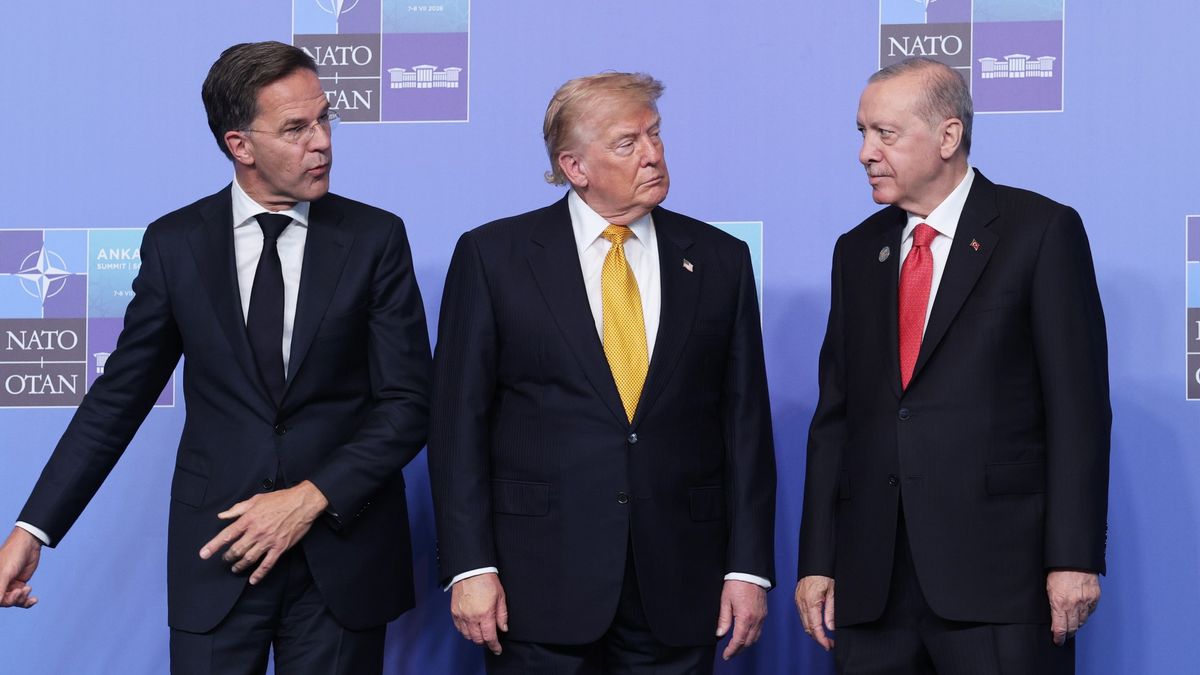
The United States is reportedly recalibrating its strategic approach towards Iran and its regional allies, moving away from a singular focus on direct pressure to a more complex, multi-layered strategy of attrition. This shift, highlighted by recent diplomatic engagements such as the NATO summit in Turkey on July 8, 2026, suggests a profound re-evaluation of Washington's objectives and methods in West Asia. The new "pressure architecture" aims to compel Iran's decision-making apparatus to manage overlapping domestic, border, and regional challenges, thereby diverting its capacity from broader strategic priorities.
For years, US policy towards the Islamic Republic of Iran has largely centered on direct military, political, and economic pressure, including sanctions and targeted operations. However, this approach has reportedly failed to achieve desired shifts in Iran's behavior, power configuration, or strategic orientation, particularly concerning its "axis of resistance" which includes groups like Hezbollah, Palestinian resistance factions, Ansar Allah (Houthis) in Yemen, and allied forces in Iraq. Consequently, Washington is now adopting a hybrid and multilayered model designed to exert simultaneous pressure across multiple levels. The underlying logic is to weaken Iran not through a single decisive blow, but through sustained attrition, increasing the internal and external costs of its current trajectory.
This evolving strategy encompasses several interconnected dimensions:
A key dimension involves intensifying social pressure within Iran and gradually eroding public resilience. The objective extends beyond merely provoking periodic discontent; it seeks to raise the cost of governance by disrupting critical infrastructure and targeting essential public services such as energy, water, and transportation. This internal strain, combined with external security and regional constraints, is intended to divert Iran's decision-making capacity towards managing domestic crises, thereby reducing its focus on broader strategic initiatives.
The US and Israel are reportedly seeking to recalibrate the regional theater to engage Tehran on multiple peripheral fronts. Past efforts to neutralize groups like Hezbollah or contain Palestinian resistance have not yielded desired outcomes. The new approach identifies three complementary trajectories:
1. Border Engagement: Activating pockets of insecurity along Iran's border regions, including the west, northwest, southeast, or northeast.
2. Pressure on Regional Allies: Intensifying diplomatic, economic, and potentially military pressure on Iran's allies across the region, from Lebanon and Palestine to Iraq and Yemen.
3. Limited Ground Achievements: Securing specific, albeit limited, achievements on the ground that can be presented as evidence of pushing back Iran's influence or reducing its regional depth. These actions, even surgical operations or pressure on sensitive economic nodes, are viewed as integrated components of a larger strategic design.
The NATO summit in Turkey in July 2026 is seen as a critical platform for elevating the Iranian issue beyond a bilateral dispute, transforming it into a shared concern for the broader Western coalition. The US aims to use NATO not just as a military alliance, but as a vehicle for political, security, and narrative alignment against Iran. Donald Trump's presence at the summit reportedly served four interconnected objectives:
1. Consolidating Coalition: Leveraging issues like Ukraine, energy security, and the stability of strategic trade routes (e.g., Strait of Hormuz) to secure greater European alignment on Iran.
2. Legitimizing Future Action: Cultivating extra-regional alignment to frame any subsequent measures against Iran within a more collective and ostensibly defensible narrative, thereby mitigating political and legal costs of unilateral action.
3. Coordination with Turkey: Drawing Turkey closer to the US regional design, potentially exploiting its border, ethnic, and security dynamics along Iran's western and northwestern peripheries.
4. Leveraging Syria: Utilizing developments in Syria as a platform to recalibrate the Lebanese equation and intensify pressure on Hezbollah.
While some European states show reservations, Washington continues to seek a more unified Western front.
This new strategic architecture views various regional conflicts not as isolated incidents but as interconnected dossiers serving a unified framework:
* Gaza and the West Bank: Israel's actions in Gaza, including opposition to reconstruction outside "security buffers," are assessed as aiming to entrench a new demographic and territorial configuration, shifting focus towards stabilizing the West Bank, containing resistance, and preventing it from becoming a sustainable conflict center. These are seen as two flanks of a single strategy against Palestinian resistance.
* Yemen: The Ansar Allah (Houthi) dossier is reportedly entering a new phase, with indications of increased Israeli intelligence and operational focus, potentially leading to targeted actions by Israel and the US. This would establish Yemen as another crucial theater for simultaneous pressure against the "axis of resistance."
* Iraq: The containment or weakening of resistance-aligned forces in Iraq remains a consistent US objective, gaining heightened significance within this broader, interconnected regional strategy.
The shift in US strategy represents a comprehensive effort to redefine the balance of power in West Asia. By activating a network of interconnected pressures—domestic, peripheral, and international—against Iran and its regional allies, Washington seeks to create a cumulative effect of attrition. This multi-pronged approach, moving beyond the limitations of direct pressure, aims to fundamentally alter Iran's strategic calculus and regional influence, thereby reshaping the geopolitical landscape of the Middle East.
Source referenced: ALJAZEERA
This brief was synthesized by our Editorial Engine and reviewed by The Ground Narrative team.